“I’m afraid I’ve committed blasphemy against the Holy Spirit and I’m going to hell.” With trembling hearts, very good Catholics have confided this fear quietly to me. For whatever reason, their minds have zeroed in on this phrase of the Gospel and it has taken over the spiritual horizon of their hearts.
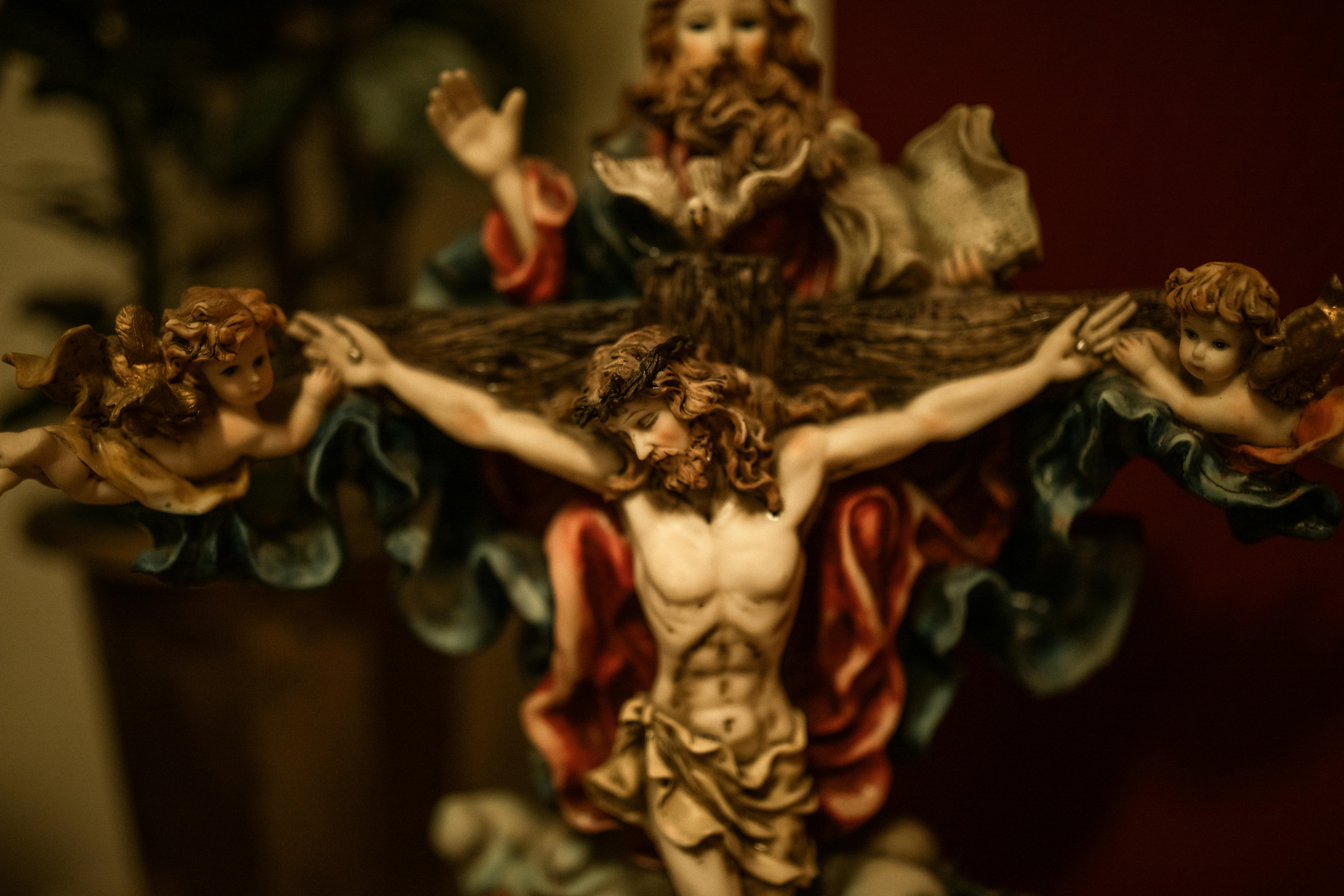
The image accompanying this Gospel reflection is an image of Jesus’ most sacred, most gentle, most loving Heart. We cannot look upon the wounded heart of Jesus without encountering a love that is so completely human and entirely divine. The fear, though, of accidentally saying something that irredeemably erases the chance of eternal salvation frightens away any confidence of this love. So, what do these words of Jesus really mean?
What is one way you can know for sure you have not committed blasphemy against the Spirit? How do you live with the knowledge that you are loved and are a beloved child of God who will never let you go? I’d suggest that the answer is simple and profound: truth.
First, we must define what is blasphemy against the Holy Spirit. The Catechism states: “There are no limits to the mercy of God, but anyone who deliberately refuses to accept his mercy by repenting, rejects the forgiveness of his sins and the salvation offered by the Holy Spirit. Such hardness of heart can lead to final impenitence and eternal loss (CCC 1864). So blasphemy against the Holy Spirit is to refuse God’s mercy and to refuse to repent of sin. It is impossible to do this by accident and without knowing it. In fact, if you are concerned about it, that itself is a sure sign that you haven’t rejected God!
People can feel they haven’t been forgiven by God and their minds can grab on to this statement of Jesus due to emotional or psychological reasons, poor catechetical or spiritual formation, to name a few. These can cause us not to feel God’s love, but we already know that much of the time our feelings don’t tell us the truth. Speaking with someone who can help us navigate some of these personal realities on a human level could open us to a greater experience of God’s love for us.
We can be absolutely certain that Jesus has forgiven us by the Blood of his cross. In Christ we find the infinite and eternal God who has loved us so much that He offers us a share in His Triune life. He has “loved us to death,” truly, in every sense of the word! Could a love like that be unwilling to forgive us when we are repentant?
We can grow in confidence of this love by encountering Jesus in the sacraments, in prayer and meditation, by nourishing our minds and hearts with spiritual books, and through helpful and clarifying conversation with others.
“Tengo temor de que haya blasfemado contra el Espíritu Santo y voy al infierno”. Con el corazón tembloroso, muy buenos católicos me han confiado este temor en secreto. Por alguna razón, sus mentes se han concentrado en esta frase del Evangelio y se ha apoderado del horizonte espiritual de sus corazones.
La imagen que acompaña a esta reflexión evangélica es la del Corazón sacratísimo, manso y amoroso de Jesús. No podemos contemplar el corazón herido de Jesús sin encontrar un amor completamente humano y completamente divino. Sin embargo, el miedo a decir por casualidad algo que borre irremediablemente la posibilidad de la salvación eterna ahuyenta cualquier confianza en este amor. Entonces, ¿qué significan realmente estas palabras de Jesús?
¿De qué manera puedes estar seguro de no haber blasfemado contra el Espíritu? ¿Cómo vives con la certeza de que eres amado y un hijo amado de Dios que nunca te abandonará? Sugiero que la respuesta sea simple y profunda: la verdad.
Primero, debemos definir qué es blasfemia contra el Espíritu Santo. El Catecismo afirma: “No hay límites a la misericordia de Dios, pero quien se niega deliberadamente a acoger la misericordia de Dios mediante el arrepentimiento rechaza el perdón de sus pecados y la salvación ofrecida por el Espíritu Santo. Semejante endurecimiento puede conducir a la condenación final y a la perdición eterna” (CIC 1864). Por lo tanto, blasfemar contra el Espíritu Santo es rechazar la misericordia de Dios y negarse a arrepentirse del pecado. Es imposible hacerlo por casualidad y sin saberlo. De hecho, si te preocupa, ¡eso en sí mismo es una señal inequívoca de que no has rechazado a Dios!
Las personas pueden sentir que no han sido perdonadas por Dios y su mente puede aferrarse a esta afirmación de Jesús debido a razones emocionales o psicológicas, una formación catequética o espiritual deficiente, por nombrar algunas. Esto puede hacer que no sintamos el amor de Dios, pero ya sabemos que muchas veces nuestros sentimientos no nos dicen la verdad. Hablar con alguien que pueda ayudarnos a comprender algunas de estas realidades personales a nivel humano podría abrirnos a una mayor experiencia del amor de Dios por nosotros.
Podemos estar absolutamente seguros de que Jesús nos ha perdonado por la Sangre de su cruz. En Cristo encontramos al Dios infinito y eterno que nos ha amado tanto que nos ofrece participar de la vida de la Trinidad. ¡Nos ha amado hasta la muerte, verdaderamente, en cada sentido de la palabra! ¿Podría un amor así no estar dispuesto a perdonarnos cuando estamos arrepentidos?
Podemos crecer en confianza en este amor encontrándonos con Jesús en los sacramentos, en la oración y la meditación, nutriendo nuestra mente y corazón con libros espirituales y mediante conversaciones útiles y esclarecedoras con otros.

Sr. Kathryn James Hermes, FSP, is an author and offers online evangelization as well as spiritual formation for people on their journey of spiritual transformation and inner healing. Website: www.touchingthesunrise.com My Books: https://touchingthesunrise.com/books/
Public Facebook Group: https://www.facebook.com/groups/srkathrynhermes/ HeartWork Spiritual Formation Group: https://touchingthesunrise.com/heartwork/
Feature Image Credit: RDNE Stock project, https://www.pexels.com/photo/close-up-shot-of-a-crucifix-5874910/
The views and opinions expressed in the Inspiration Daily blog are solely those of the original authors and contributors. These views and opinions do not necessarily represent those of Diocesan, the Diocesan staff, or other contributors to this blog.