Listen to this reflection
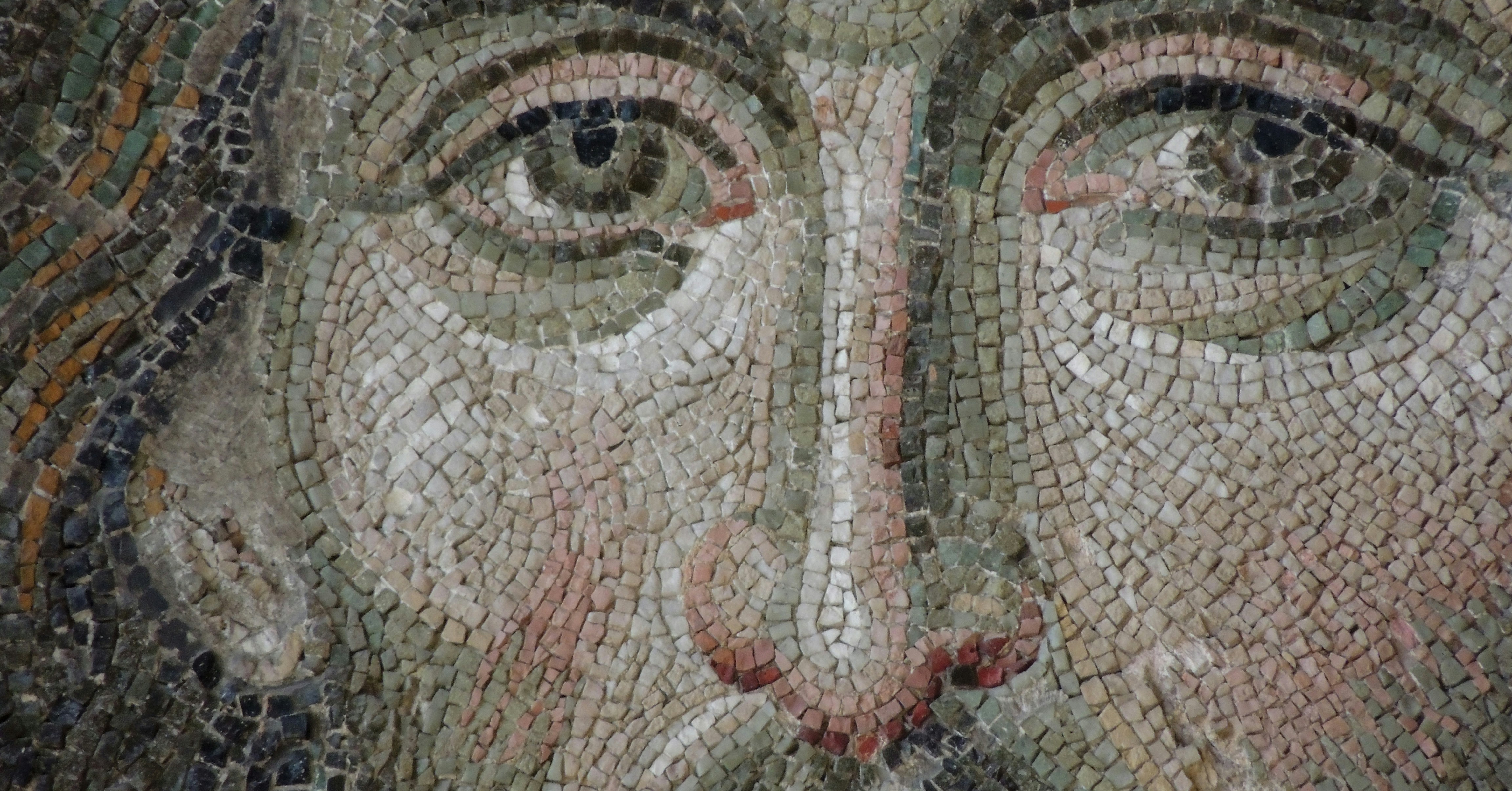
“I saw you under the fig tree.” Every time I read today’s Gospel passage, I am curious about this line. The only clue we have as to what Jesus saw Nathanael doing under the fig tree is that Nathanael was not acting out of duplicity; he was not double-minded or deceitful.
To truly know that there is no duplicity within Nathanael, He had to see into his heart, for a deceitful person will happily pretend he is not deceitful. Therefore, Jesus not only saw Nathanael but probed the depth of his heart. He knew his deepest desires, his sorrow, his pain, his joy. He knew toward whom those desires were pointed and knew the intention of his will. Nathanael’s reaction also tells us that what Jesus saw was soul-deep, for, as soon as Jesus said this, Nathanael declared Him to be “the Son of God.”
I was alone in church the other day and literally cried out to God, “Where are you? Do you see me? Will you help me?” I opened my heart to Him in that church, pouring out my pain and anger to Him, wanting Him to stand beside me and put His hand on my shoulder or to answer my prayers right there.
How amazing it would be if Jesus would come to me and say, “I saw you in the third pew at church.” Even without saying anything more, I would feel a reassurance that I was seen, that my prayers were heard, and that my heart was known to God. No doubt, I would immediately drop to my knees before Him in gratitude.
In truth, the Bible is the living Word of God. It is not simply an account of things that happened but words that are spoken to us also. In that sense, we don’t need to know what Nathanael was doing under the fig tree. We can fill it in with our own cry to the Lord, our own desire, our own surrender, pain, joy, etc. Our Lord’s words to Nathanael are also His response to each of us: “I see you. I see into your heart. I know you. Follow Me, and you will witness amazing things.”
“…te vi cuando estabas debajo de la higuera”. Cada vez que leo el pasaje del Evangelio de hoy, siento curiosidad por esta frase. La única pista que tenemos sobre lo que Jesús vio a Natanael haciendo bajo la higuera es que Natanael no actuaba con duplicidad; no tenía doblez ni era engañoso.
Para saber verdaderamente que no había duplicidad en el interior de Natanael, tuvo que mirar en su corazón, pues una persona engañosa fingirá gustosamente no serlo. Por lo tanto, Jesús no solo vio a Natanael, sino que sondeó la profundidad de su corazón. Conoció sus deseos más profundos, su pena, su dolor, su alegría. Supo hacia quién se dirigían esos deseos y conoció la intención de su voluntad. La reacción de Natanael también nos indica que lo que Jesús vio caló hasta lo más hondo de su alma, pues, tan pronto como Jesús dijo esto, Natanael lo proclamó como “el Hijo de Dios”.
El otro día estaba sola en la iglesia y, literalmente, clamé a Dios: “¿Dónde estás? ¿Me ves? ¿Me ayudarás?” Abrí mi corazón ante Él en la iglesia, derramándole mi dolor y mi ira, deseando que se pusiera a mi lado y pusiera su mano sobre mi hombro, o que respondiera mis oraciones justo allí.
¡Qué asombroso sería si Jesús viniera a mí y me dijera: “Te vi en el tercer banco de la iglesia”! Aun sin decir nada más, sentiría la certeza de que fui visto, de que mis oraciones fueron escuchadas y de que mi corazón era conocido por Dios. Sin duda, caería de rodillas ante Él de inmediato, lleno de gratitud.
En verdad, la Biblia es la Palabra viva de Dios. No es simplemente un relato de cosas que sucedieron, sino palabras que también se nos dirigen a nosotros. En ese sentido, no necesitamos saber qué estaba haciendo Natanael bajo la higuera. Podemos completar ese espacio con nuestro propio clamor al Señor, con nuestro propio deseo, con nuestra propia entrega, dolor, alegría, etc. Las palabras de nuestro Señor a Natanael son también su respuesta para cada uno de nosotros: “Te veo. Veo en lo profundo de tu corazón. Te conozco. Sígueme, y serás testigo de cosas asombrosas”.
 Kimberly Andrich writes from the perspective of having a hidden, chronic illness and experiencing a deep, continuous conversion through being yoked to Jesus in the day-to-day trials and joys of life. She is a wife, mother of 5, and daughter of the King. Kimberly also writes for Catholicmom.com and on fallingonhisgrace.substack.com.
Feature Image Credit: Nick Kwan, unsplash.com/photos/womans-face-with-red-and-yellow-face-paint-Ybq6WkXl2-I
The views and opinions expressed in the Inspiration Daily blog are solely those of the original authors and contributors. These views and opinions do not necessarily represent those of Diocesan, the Diocesan staff, or other contributors to this blog.