Listen to this reflection
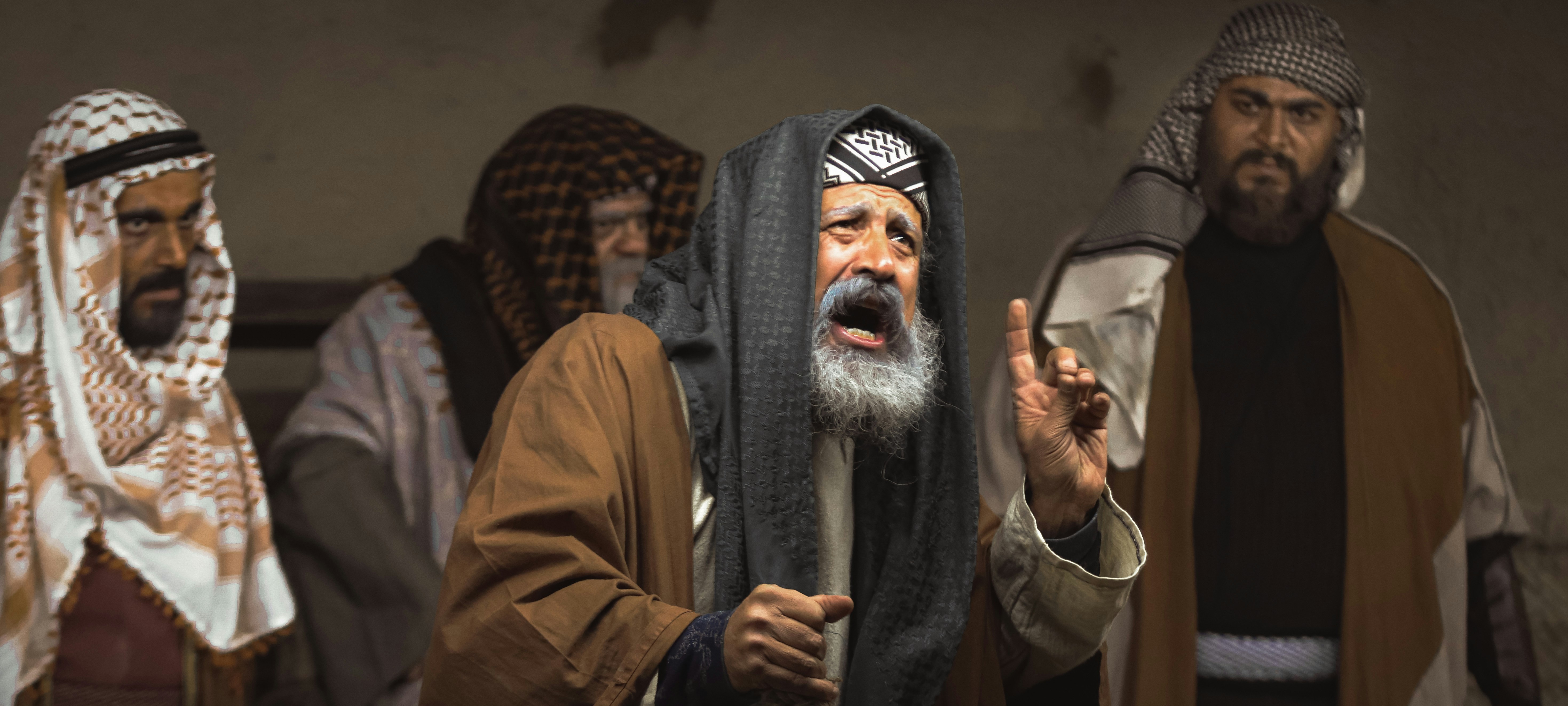
“Why are you testing me, you hypocrites?” Jesus says to the Pharisees who came up with their cloying, passive-aggressive question because they “plotted how they might entrap Jesus in speech.” They phrase it as if they respected Him, but they are trying to discredit and discard Him. Interestingly, they send some of their followers “with the Herodians,” who were hardly allies of the Pharisees; the Herodians were supportive of the Roman rulers, who installed and protected the Herods. The common cause between them was their sense that Jesus was a threat to their respective power structures.
This shows the dark subtlety of their question about whether taxes should be paid. It is not a question about taxes. In their minds, it is a perfect trap, because they cannot foresee an answer that will not alienate His followers or get Him arrested by the political powers that be. If Jesus says “no” (or even expresses any anti-Roman sentiment), the Herodians can immediately arrest Him for treason against the emperor. If he says “yes”, the Pharisees believe He will lose popularity with the Jewish crowds who resent Roman oppression. In their minds, either answer will achieve their malicious goal.
But Jesus calls them out and shines the bright light of truth on their dark plan. With divine wisdom, He gives an answer they could not have anticipated; an answer that avoids their trap, challenges the Herodians’ allegiance to Rome over spiritual faithfulness, sends the Pharisees scrambling for a new plan, and teaches a lesson. By asking to see the Roman coin and asking whose image is on it, He forces them to participate in the answer: because the coin bears Caesar’s image, it should be repaid to Caesar. But then He ends with the real lesson, which is that we must repay “to God what belongs to God.”
We, as baptized Christians, have a kind of “dual citizenship.” We were born into an earthly nation, and baptized into the heavenly Kingdom. We must live both citizenships with justice and responsibility, giving to each what belongs to each. We contribute to the community in which we live in some way, and pay taxes to the nation we call home. But are we as diligent about contributing to the Kingdom into which we are called and baptized? We must give to God what belongs to God, in whose image we are made. What belongs to Him? Everything.
“Hipócritas, ¿por qué tratan de sorprenderme?”, dice Jesús a los fariseos, quienes plantearon su pregunta empalagosa y pasivo-agresiva porque quisieron “ver la manera de hacer caer a Jesús”. La formulan como si lo respetaran, pero en realidad intentan desacreditarlo y deshacerse de él. Curiosamente, envían a algunos de sus seguidores “junto con algunos del partido de Herodes”, quienes con las ajustas eran algo aliados de los fariseos; los herodianos apoyaban a los gobernantes romanos, que habían instaurado y protegían a la dinastía de Herodes. Lo que los unía era la percepción de que Jesús representaba una amenaza para sus respectivas estructuras de poder.
Esto revela la oscura sutileza de su pregunta sobre si se deben pagar impuestos. No es una cuestión sobre impuestos. A su juicio, es una trampa perfecta, pues no prevén ninguna respuesta que no aleje a sus seguidores o que no provoque su arresto por parte de las autoridades políticas. Si Jesús dice que no (o incluso si expresa algún sentimiento antirromano), los herodianos pueden arrestarlo de inmediato por traición al emperador. Si dice que sí, los fariseos creen que perderá popularidad entre las multitudes judías que rechazan la opresión romana. Para ellos, cualquiera de las dos respuestas logrará su malicioso objetivo.
Pero Jesús los desenmascara y arroja la luz de la verdad sobre su oscuro plan. Con sabiduría divina, ofrece una respuesta que ellos no habrían podido anticipar; una respuesta que esquiva la trampa, cuestiona la lealtad de los herodianos a Roma frente a la fidelidad espiritual, obliga a los fariseos a buscar un nuevo plan y deja una enseñanza. Al pedir ver la moneda romana y preguntar de quién es la imagen que lleva, los obliga a participar en la respuesta: dado que la moneda ostenta la imagen del César, debe devolverse al César. Pero luego concluye con la verdadera lección: que debemos devolver “a Dios lo que es de Dios”.
Nosotros, como cristianos bautizados, poseemos una especie de “doble ciudadanía”: nacimos en una nación terrenal y fuimos bautizados en el Reino celestial. Debemos vivir ambas ciudadanías con justicia y responsabilidad, dando a cada una lo que le corresponde. Contribuimos de alguna manera a nuestra comunidad y pagamos impuestos a la nación en la que vivimos. Pero, ¿somos igual de diligentes a la hora de contribuir al Reino al que hemos sido llamados y en el que hemos sido bautizados? Debemos dar a Dios lo que pertenece a Dios, a cuya imagen hemos sido creados. ¿Qué le pertenece a Él? Todo.
 Kathryn Mulderink, MA, is married to Robert, Station Manager for Holy Family Radio. Together they have seven children (including Father Rob), and eleven grandchildren. She is President of the local community of Secular Discalced Carmelites and has published five books and many articles. Over the last 30 years, she has worked as a teacher, headmistress, catechist, Pastoral Associate, and DRE, and as a writer and voice talent for Catholic Radio. Currently, she serves the Church by writing and speaking, and by collaborating with various parishes and to lead others to encounter Christ and engage their faith. Her website is KathrynTherese.com
Feature Image Credit: Hossein Nasr, unsplash.com/photos/a-group-of-men-standing-next-to-each-other-2KNVIY1Ddto
The views and opinions expressed in the Inspiration Daily blog are solely those of the original authors and contributors. These views and opinions do not necessarily represent those of Diocesan, the Diocesan staff, or other contributors to this blog.