Listen to this reflection
One of my dearest friends was born on this day. I usually send her birthday wishes, buy her a gift, or celebrate with her if we are able, but I also think of her beautiful momma. A woman of deep Catholic faith, my friend’s mom raised six children.
I have fond memories of going to their home. Candy bowls sat on the coffee table and homemade baked goods lingered on the kitchen counter. Light filled the cozy home in a neighborhood once filled with children. She greeted visitors with a warm smile and an invitation to sit and chat. She acknowledged the intricacies of others’ lives. She treated me with gentle hospitality and made me feel like I mattered.
Today’s Solemnity of the Assumption of the Blessed Virgin Mary celebrates Mary’s entrance, body and soul, into heaven. Extensive scholarship on the topic refers to ancient manuscripts from various parts of the world that refer to Mary’s assumption. In addition, two tombs have been associated with the Blessed Mother – one in Ephesus and one in Jerusalem – but neither burial spot has ever been known to hold a body. No known relics of her exist. These are not scriptural attestations, but rather historical tradition handed down since the third century.
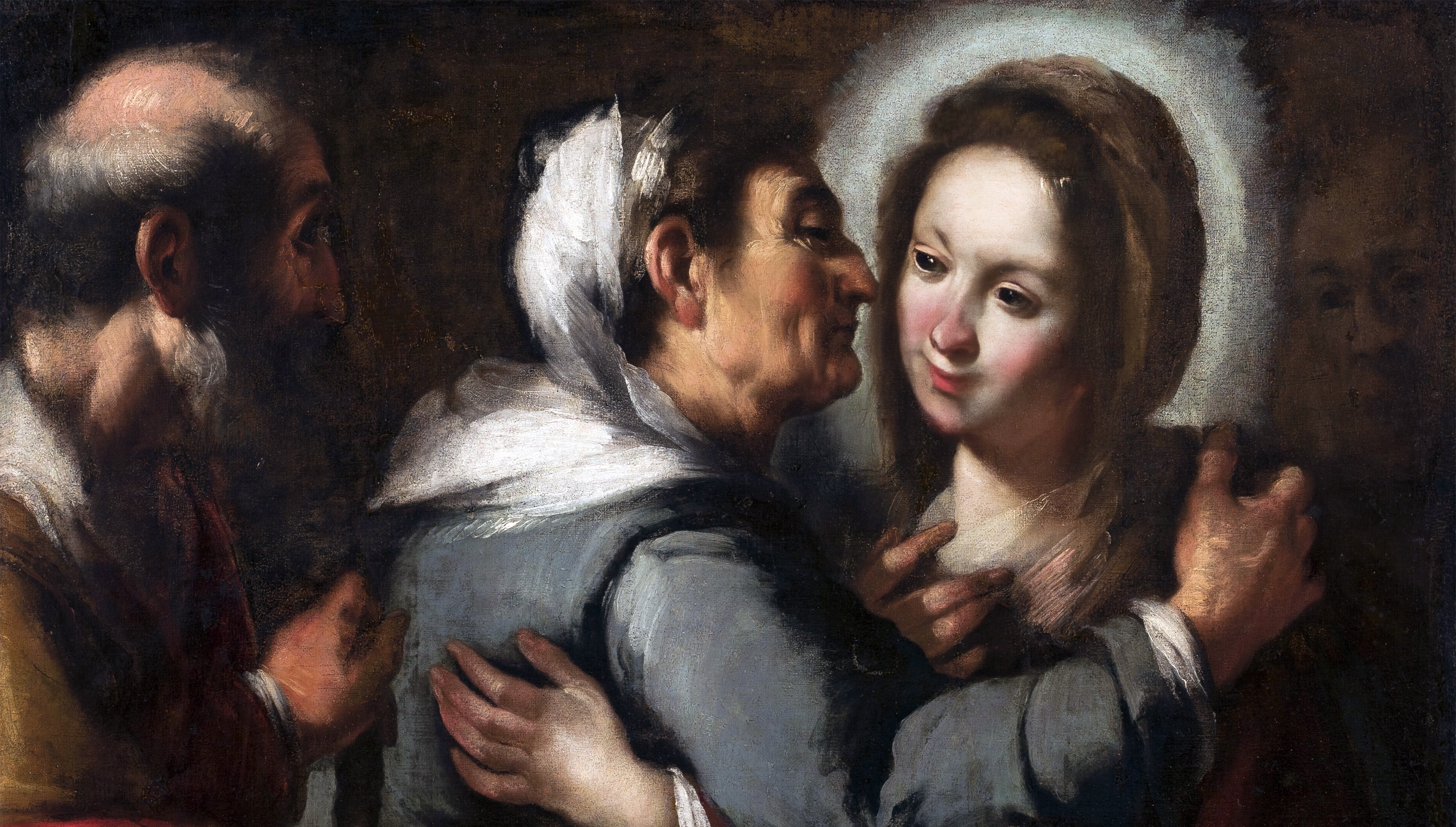
Therefore, the Gospel readings for today’s solemnity reflect not upon the Blessed Mother’s Assumption, but her hospitable visitation to her elderly cousin. “Mary set out and traveled to the hill country in haste to a town of Judah, where she entered the house of Zechariah and greeted Elizabeth.”
The older woman extended hospitality. Perhaps the counter held freshly baked bread. Maybe some sweet, dried fruits sat in bowls in the common area. I imagine Mary coming into the home, removing the sandals from her dirty feet, pulling off her cloak and head covering, and shaking out her long black hair. Perhaps Elizabeth helped her get cleaned up after the long journey, laughter and chatter filling the house as the two women shared news of their lives.
We are given Mary’s poetic Magnificat, but we do not get the transcript of the conversational banter between Mary and Elizabeth in the three months they spent together. There would have been laundry and cooking, cleaning and mending. So much must have been shared in that three-month period that was unknown to the Gospel writer, Luke.
I have played the organ for many funerals. “Hail Mary, Full of Grace” is often chosen for the meditation hymn. I think of women like my friend’s mom when I play the accompanying music for the words, “Blessed are you among women, and blessed is the fruit of your womb.” My friend and her dearly beloved mother, now enjoying her eternal rest, share this beautiful Solemnity of the Assumption of the Blessed Virgin Mary.
On this glorious day, may we all learn to take after Mary and Elizabeth in extending hospitality to others. May we “set out” to encounter them, may we “greet” them cheerfully, and may we bless them with kindness.
Una de mis amigas más queridas nació en este día. Por lo general, le envío mis felicitaciones de cumpleaños, le compro un regalo o celebro con ella si nos es posible; pero también pienso en su hermosa madre. Mujer de profunda fe católica, la madre de mi amiga crió a seis hijos.
Guardo gratos recuerdos de mis visitas a su hogar. Había cuencos con dulces sobre la mesa y productos de repostería casera sobre la encimera de la cocina. La luz inundaba aquella acogedora casa, situada en un barrio que anteriormente rebosaba de niños. Ella recibía a las visitas con una cálida sonrisa y una invitación a sentarse y conversar. Sabía reconocer la complejidad de la vida de los demás. Me trataba con una hospitalidad amable y me hacía sentir que yo importaba.
La solemnidad de hoy —la Asunción de la Santísima Virgen María— celebra la entrada de María, en cuerpo y alma, al cielo. Una extensa labor académica sobre el tema remite a antiguos manuscritos procedentes de diversas partes del mundo que hacen referencia a la asunción de María. Además, se han asociado dos sepulcros con la Santísima Madre —uno en Éfeso y otro en Jerusalén—, pero de ninguno de estos lugares de entierro se tiene constancia de que haya albergado jamás un cuerpo. No existen reliquias suyas conocidas. No se trata de testimonios bíblicos, sino más bien de una tradición histórica transmitida desde el siglo III.
Por consiguiente, las lecturas del Evangelio para la solemnidad de hoy no reflexionan sobre la Asunción de la Santísima Madre, sino sobre su hospitalidad al visitar a su anciana prima. “María se encaminó presurosa a un pueblo de las montañas de Judá, y entrando en las casa de Zacarías, saludó a Isabel”.
La mujer mayor le brindó hospitalidad. Quizás sobre la encimera había pan recién horneado. Tal vez había dulces frutos secos en cuencos en la zona común. Imagino a María entrando en la casa, quitándose las sandalias de sus pies polvorientos, despojándose de su manto y de su velo, y sacudiendo su largo cabello negra. Quizás Isabel la ayudó a asearse tras el largo viaje, mientras las risas y la charla llenaban la casa al compartir ambas mujeres las novedades de sus vidas.
Se nos ha dado el poético “Magníficat” de María, pero no disponemos de la transcripción de las conversaciones y el intercambio de anécdotas entre María e Isabel durante los tres meses que pasaron juntas. Seguramente hubo tareas de lavado y cocina, de limpieza y de remiendos. Sin duda, se debió compartir muchísimo durante ese periodo de tres meses, algo que resultaba desconocido para el evangelista Lucas.
He tocado el órgano en muchos funerales. A menudo se elige el “Ave María” como himno de meditación. Pienso en mujeres como la madre de mi amiga cuando interpreto la música que acompaña las palabras: “Bendita tú eres entre todas las mujeres, y bendito es el fruto de tu vientre”. Mi amiga y su amadísima madre —quien ahora goza de su descanso eterno— comparten esta hermosa Solemnidad de la Asunción de la Santísima Virgen María.
En este día glorioso, que todos aprendamos a imitar a María y a Isabel brindando hospitalidad a los demás. Que nos “encaminemos presurosos” para salir a su encuentro, que los “saludemos” con alegría, y que los bendigamos con bondad.
 Beth Casteel writes from rural southwestern Pennsylvania. She and her husband are blessed with four adult children and four grandchildren. You can read more of her work at https://bethcasteel.com/ or you can check out her chapter in two collaborative books, Crowned With Grace, and Cloud of Witnesses, available at https://store.
Feature Image Credit: Bernardo Strozzi, art.diocesan.com/stock-photo/visitation-9146/
The views and opinions expressed in the Inspiration Daily blog are solely those of the original authors and contributors. These views and opinions do not necessarily represent those of Diocesan, the Diocesan staff, or other contributors to this blog.