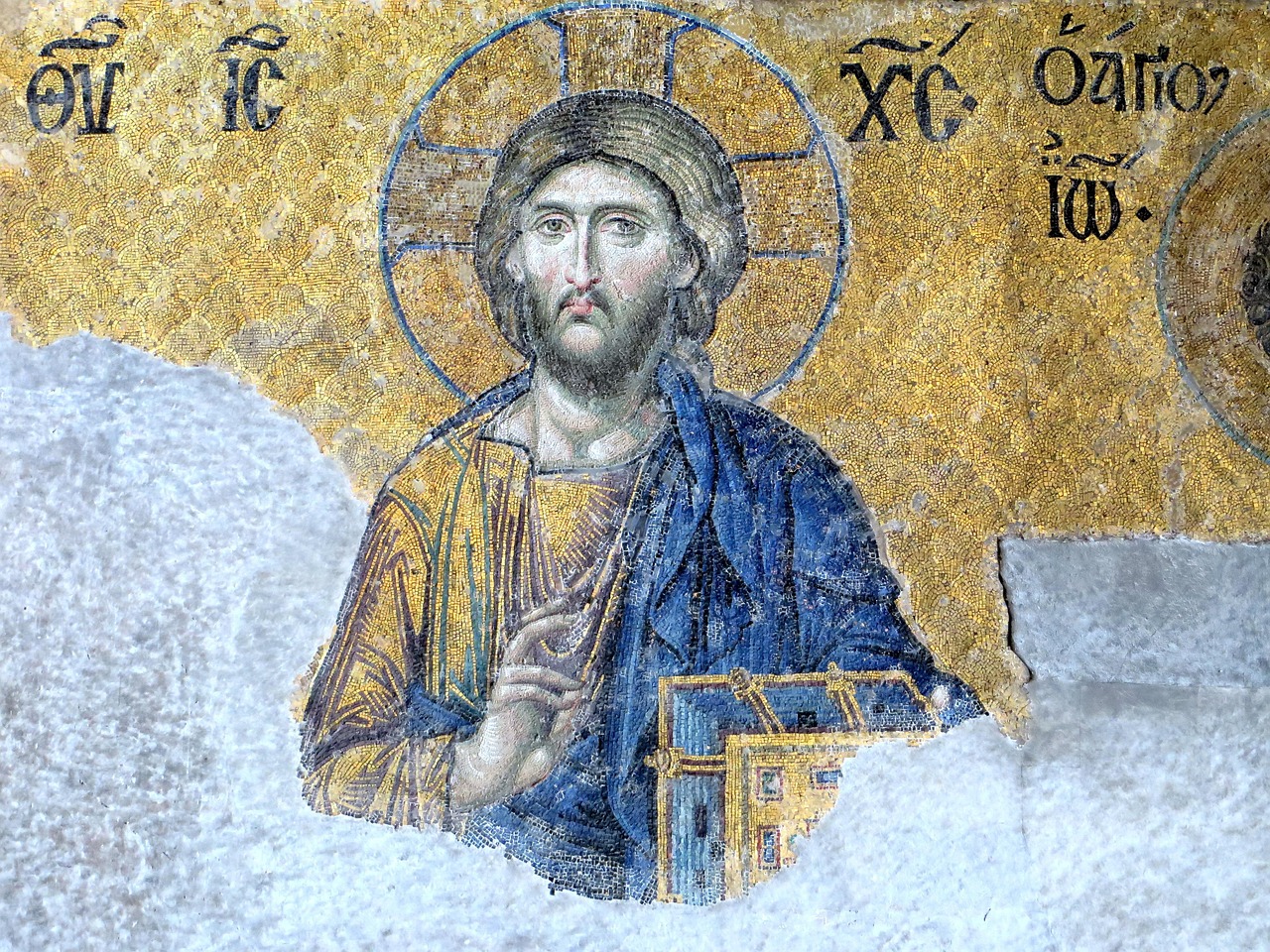
In Matthew’s Gospel, Jesus’ first public words are, “Repent, for the kingdom of heaven is at hand.” These were likewise the words of St. John the Baptist (Matt. 3:2), and now that John has been arrested for speaking inconvenient and uncomfortable truths to the powers-that-be, Jesus takes up the same message with a new authority and urgency.
While we often think of the word “repent” as a Lenten message – a sorrowful self-condemnation for our sins – the Greek word “metanoeite” refers to a deep interior conversion, a reorientation, a change in heart and mind and direction. If we are turning away from something, we must be turning toward something else. Yes, repenting means to turn away from sin, but more importantly, a turning toward God. The Catechism tells us that it is “a radical reorientation of our whole life, a return, a conversion to God with all our heart.” (CCC 1431)
In order to turn fully toward God, we must turn away from all that keeps us from seeing Him clearly and drawing near to Him as our loving Father. So while part of repentance is looking at our sin, confessing to a priest, and intending not to sin again, the better part is looking at the Lord, seeing His Truth and Beauty and Goodness, and opening ourselves to love Him more than ourselves, our sin, and our comfort.
Why? Because the Kingdom of Heaven is near; the King has arrived and the reign of God begins now. This Kingdom is not a political or earthly administration of borders and laws, but the reign of the King of Love, present to us in our hearts, in the Word, and in the Sacraments. St. Augustine teaches that the Church is the seed and beginning of this Kingdom on earth; we are made citizens of this Kingdom and true members of the family of the King through Baptism, and we grow to maturity through the Sacraments and prayer and service.
John prepared the way but Jesus is the way, which He will later make clear. This call to “repent” is a call to hope: hope in the loving Heart of the Savior who came to bring reconciliation and peace, hope in the call and value of each and every life, hope in the truth that no one can out-sin God’s mercy and love, hope in the certain victory of the Kingdom of Love.
En el Evangelio de Mateo, las primeras palabras públicas de Jesús son: “Conviértanse, porque ya está cerca el Reino de los cielos”. Este fue también el mensaje de San Juan Bautista (Mt 3,2), y ahora que Juan ha sido arrestado por decir verdades incómodas a los poderosos, Jesús retoma el mismo mensaje con nueva autoridad y urgencia.
Aunque a menudo pensamos en la palabra “convertirse” como un mensaje cuaresmal – un proceso doloroso de alejarnos de los pecados, – la palabra griega “metanoeite” se refiere a una profunda conversión interior, una reorientación, un cambio de corazón, mente y dirección. Si nos alejamos de algo, debemos estar volviéndonos hacia otra cosa. Sí, convertirse significa alejarse del pecado, pero más importante aún, volverse hacia Dios. El Catecismo nos dice que es “una reorientación radical de toda la vida, un retorno, una conversión a Dios con todo nuestro corazón”. (CIC 1431)
Para volvernos plenamente hacia Dios, debemos alejarnos de todo lo que nos impide verlo con claridad y acercarnos a Él como nuestro Padre amoroso. Si bien parte del arrepentimiento consiste en examinar nuestro pecado, confesarlo a un sacerdote y proponernos no volver a pecar, la mejor parte es mirar al Señor, ver su Verdad, Belleza y Bondad, y abrirnos a amarlo más que a nosotros mismos, nuestro pecado y nuestra comodidad.
¿Por qué? Porque el Reino de los cielos está cerca; el Rey ha llegado y el Reino de Dios comienza ahora. Este Reino no es una administración política o terrenal de fronteras y leyes, sino el reino del Rey de Amor, presente en nuestros corazones, en la Palabra y en los Sacramentos. San Agustín enseña que la Iglesia es la semilla y el comienzo de este Reino en la tierra; nos convertimos en ciudadanos de este Reino y verdaderos miembros de la familia del Rey mediante el Bautismo, y maduramos mediante los Sacramentos, la oración y el servicio.
Juan preparó el camino, pero Jesús es el camino, que más adelante aclarará. Este llamado a “convertirse” es un llamado a la esperanza: esperanza en el Corazón amoroso del Salvador que vino a traer reconciliación y paz, esperanza en el llamado y el valor de cada vida, esperanza en la verdad de que no hay cantidad de pecados que la misericordia y el amor de Dios no pueda perdonar, esperanza en la victoria segura del Reino del Amor.
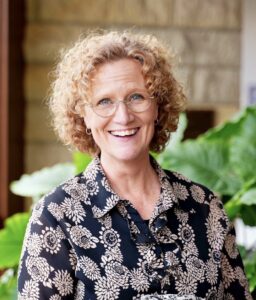 Kathryn Mulderink, MA, is married to Robert, Station Manager for Holy Family Radio. Together they have seven children (including Father Rob), and eleven grandchildren. She is President of the local community of Secular Discalced Carmelites and has published five books and many articles. Over the last 30 years, she has worked as a teacher, headmistress, catechist, Pastoral Associate, and DRE, and as a writer and voice talent for Catholic Radio. Currently, she serves the Church by writing and speaking, and by collaborating with various parishes and to lead others to encounter Christ and engage their faith. Her website is www.KathrynTherese.com
Feature Image Credit: Gunthersimmermacher, pixabay.com/photos/christ-icon-hagia-sophia-istanbul-1618197/
The views and opinions expressed in the Inspiration Daily blog are solely those of the original authors and contributors. These views and opinions do not necessarily represent those of Diocesan, the Diocesan staff, or other contributors to this blog.