Over the winter, my husband asked me to buy a couple more shovels so all the boys could help clear the driveway. The first time he asked me, I said they could take turns and share. The second time he asked me I pretty much ignored him, and the third time I repeated the same response as the first: “Why do they all need their own shovel? Can’t they take turns and share? We already have three! How many more do we need?” But, to appease him, I proceeded to put two more in my shopping cart.
When he went to pick up the grocery order, he was surprised to see them being loaded into the car. “We have two new shovels!” he exclaimed when he got home. I raised an eyebrow saying “just what I wanted to do, spend money on a couple pieces of plastic.”
While I admit my reactions were less than saintly, the whole scenario reminded me once again of my brother’s oft repeated phrase to his kids: “You just don’t suffer enough.” We have lost our pride in hard work to the point that it has become old fashioned. We have lost the sense of satisfaction that comes with searching for answers to the hard questions because they can be found at the click of a button. We have lost the ability to share. And all of this has caused us to look more and more inward.
One night, my middle school son shared with me that they had covered the topic of loneliness at youth group. They discussed the difference between solitude and isolation. Solitude is taking time apart to reflect, pray, recharge and regroup. Isolation is purposefully excluding yourself from others, choosing to no longer associate with others. For many, being alone is easier. It means you don’t have to put on any masks to be accepted by others. Yet, from the beginning of time God tells us that it is not good for man to be alone (see Gen 2:18). In relationship with others, we learn and grow, our hearts expand and yes, sometimes we suffer.
Englishman Ronald Knox, an Anglican convert to Catholicism, was a priest, theologian, author, and radio broadcaster. He was known to say that the first two gestures of the Sign of the Cross form the letter “I” and the last two cross it out. As a Christian, “I” am not the principal person in the equation. I must increase, be crossed out, so that Christ may increase in me for the good of others.
We can look at our sacrifices and sufferings as the mustard seed and the yeast mentioned in today’s Gospel parables. The seed is planted and then grows; the yeast is mixed in and then rises. So too, every time we set our own desires aside and look for the good of the other, virtue and grace grow within us. In this way, we can bear fruit for the Kingdom of God, so that many others might also “Give thanks to the Lord, for he is good” (Psalm Response).
Durante el invierno, mi esposo me pidió que comprara unas palas de nieve más para que todos nuestros hijos pudieran ayudar a limpiar la entrada. La primera vez que me lo pidió, le dije que podían turnarse y compartir. La segunda vez que me lo pidió, prácticamente lo ignoré y la tercera vez repetí la misma respuesta que la primera: “¿Por qué necesitan todos su propia pala? ¿No pueden turnarse y compartir? ¡Ya tenemos tres! ¿Cuántas más necesitamos?” Pero, para apaciguarlo, procedí a poner dos más en mi carrito de compras.
Cuando fue a recoger el pedido de compras, mi esposo se sorprendió al ver que las estaban poniendo en el auto. “¡Tenemos dos palas nuevas!”, exclamó cuando llegó a casa. Levanté una ceja y dije: “Justo lo que quería hacer, gastar dinero en un par de piezas de plástico”.
Aunque admito que mis reacciones no fueron virtuosas, toda la situación me recordó una vez más la frase que mi hermano repete a menudo a sus hijos: “Ustedes simplemente no sufren lo suficiente”. Hemos perdido el orgullo por el trabajo duro hasta el punto de que se ha vuelto anticuado. Hemos perdido la sensación de satisfacción que viene con la búsqueda de respuestas a las preguntas difíciles porque se pueden encontrar con un solo clic. Hemos perdido la capacidad de compartir. Y todo esto nos ha hecho mirar cada vez más hacia adentro.
Una noche, mi hijo de la escuela secundaria me contó que habían tratado el tema de la soledad en su grupo de jóvenes. Hablaron sobre la diferencia entre la soledad y el aislamiento. La soledad es tomarse un tiempo a solas para reflexionar, orar, recargar energías y reagruparse. El aislamiento es excluirse deliberadamente de los demás, elegir no asociarse más con otros. Para muchos, estar solo es más fácil. Significa que no tienes que ponerte ninguna máscara para ser aceptado por los demás. Sin embargo, desde el principio de los tiempos Dios nos dice que no es bueno que el hombre esté solo (ver Génesis 2:18). Al relacionarnos con los demás, aprendemos y crecemos, nuestro corazón se expande y sí, a veces sufrimos.
El inglés Ronald Knox, anglicano convertido al catolicismo, fue sacerdote, teólogo, autor y locutor de radio. Era conocido por decir que los dos primeros gestos de la señal de la cruz forman la letra “I” (yo) y los dos últimos la tachan. Como cristiano, el “yo” no es la persona principal en la ecuación. Debo crecer, ser tachado, para que Cristo pueda crecer en mí para el bien de los demás.
Podemos ver nuestros sacrificios y sufrimientos como la semilla de mostaza y la levadura mencionadas en las parábolas del Evangelio de hoy. La semilla se siembra y luego crece; la levadura se mezcla y luego se levanta. Así también, cada vez que dejamos de lado nuestros propios deseos y buscamos el bien del otro, la virtud y la gracia crecen dentro de nosotros. De esta manera, podemos dar fruto para el Reino de Dios, para que muchos otros también puedan dar gracias al Señor, porque Él es bueno”.
 Tami Urcia is a midwestern gal from a large Catholic family. As a young adulthood she was a missionary in Mexico, where she studied theology and philosophy. After returning stateside bilingual, she gained a variety of work experience, traveled extensively and finished her Bachelor’s Degree at Brescia University. She loves organizing and simplifying things, watching her children play sports, deep conversations with close family and friends and finding unique ways to brighten others’ day with Christ’s love. She works full time at Diocesan in the Software Department and manages the Inspiration Daily reflections. She is also a contributing writer on CatholicMom.com and BlessedIsShe.net.
Feature Image Credit: Jen Theodore, unsplash.com/photos/green-leaf-plant-close-up-photography-Tys0QOcdbBA
The views and opinions expressed in the Inspiration Daily blog are solely those of the original authors and contributors. These views and opinions do not necessarily represent those of Diocesan, the Diocesan staff, or other contributors to this blog.


 Merridith Frediani loves words and is delighted by good sentences. She also loves Lake Michigan, dahlias, the first sip of hot coffee in the morning, millennials, and playing Sheepshead with her husband and three kids. She writes for Catholic Mom, Diocesan.com, and her local Catholic Herald. Her first book Draw Close to Jesus: A Woman’s Guide to Adoration is available at Our Sunday Visitor and Amazon. You can learn more at
 Hailing from Nashville, Catherine is a graduate of Christendom College with a lifelong passion for words. Her love of writing and her Catholic Faith continue to shape her as a freelance editor, copywriter, and (aspiring) novelist, where she pursues her passions for the love and greater glory of God.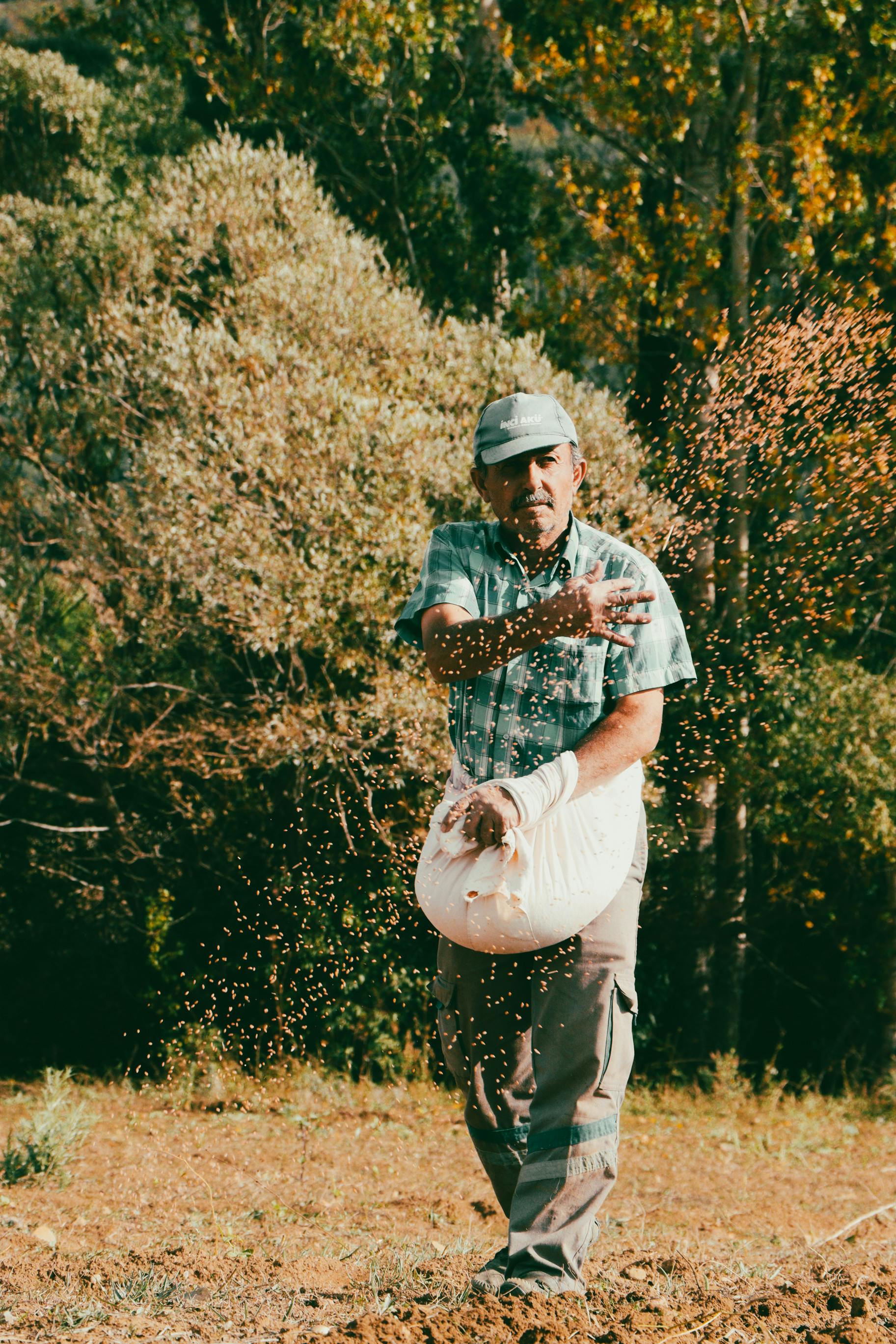
 Pamela Kavanaugh is a grateful wife, mother, and grandmother who has dedicated her professional life to Catholic education. Though she has done her very best to teach her students well in the subjects of language and religion, she knows that she has learned more than she has taught. She lives, teaches, and writes in southwest suburban Chicago.
 Kathryn Mulderink, MA, is married to Robert, Station Manager for Holy Family Radio. Together they have seven children (including Father Rob), and eleven grandchildren. She is President of the local community of Secular Discalced Carmelites and has published five books and many articles. Over the last 30 years, she has worked as a teacher, headmistress, catechist, Pastoral Associate, and DRE, and as a writer and voice talent for Catholic Radio. Currently, she serves the Church by writing and speaking, and by collaborating with various parishes and to lead others to encounter Christ and engage their faith. Her website is

 Kate Taliaferro is an Air Force wife and mother. She is blessed to be able to homeschool, bake bread and fold endless piles of laundry. When not planning a school day, writing a blog post or cooking pasta, Kate can be found curled up with a book or working with some kind of fiber craft. Kate blogs at
 Mike Karpus is a regular guy. He grew up in Michigan’s Upper Peninsula, graduated from Michigan State University and works as an editor. He is married to a Catholic school principal, raised two daughters who became Catholic school teachers at points in their careers, and now relishes his two grandchildren, including the older one who is fascinated with learning about his faith. He also has served on a Catholic school board, a pastoral council and a parish stewardship committee. He currently is a lector at Mass, a Knight of Columbus, Adult Faith Formation Committee member and a board member of the local Habitat for Humanity organization. But mostly he’s a regular guy.
 Deanna G. Bartalini, M.Ed.; M.P.A., is a certified spiritual director, writer, speaker and content creator. The
 1-800-994-9817