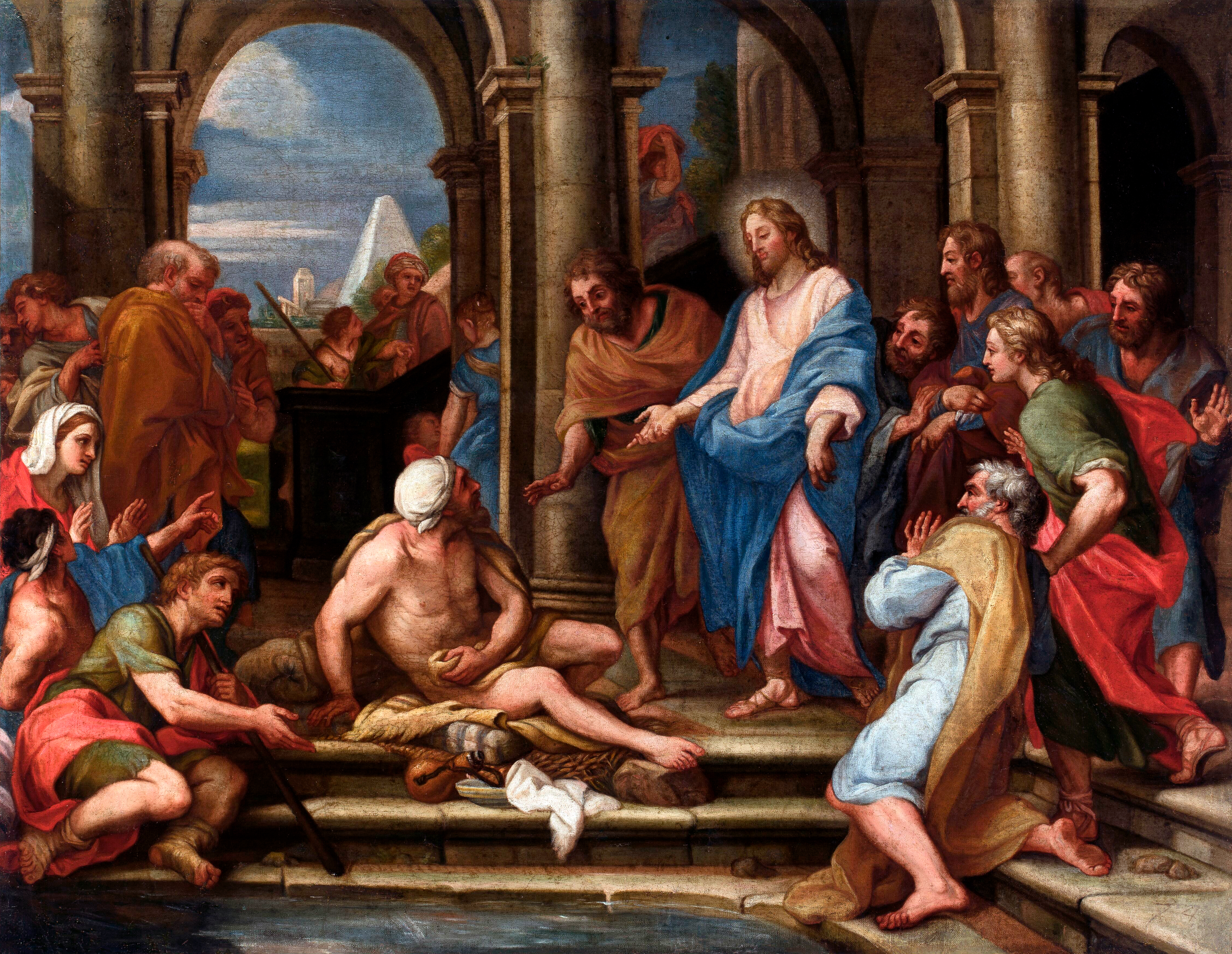
With a little over two weeks left in Lent, Jesus asks the ill man – seeing him and knowing he had been ill a very long time – “Do you want to be well?” (John 5:6) It’s a question to ask ourselves during Lent as we approach Easter. Do we want to be well?
Sometimes we choose to make our prayers a list of everything that stands in the way of what we want rather than give Jesus the space to work His miracles and bring His healing. We can watch others walk away healed and wish it was us instead. We can choose to be a victim of circumstances out of our control. But Jesus doesn’t want that for us.
And so today, He is asking you to set aside the excuses, set aside the complaints, set aside the hurdles, all the why-you-can’ts or why-you-haven’ts. Today, He is asking you: “Do you want to be well?” That’s the beauty of today’s Gospel. We see the ill man answer Jesus with all the reasons he is not well, and Jesus doesn’t sympathize with him or doesn’t argue with him about whether he is trying hard enough. Jesus tells the man to get up, grab his mat and get walking. The man listens and obeys. This is key.
Jesus is constantly speaking into our lives. We only need to listen to receive remedies for all the things holding us back. He might ask you to do the thing you least believe you can do like this man who had been ill for 38 years. But Jesus says: “Rise, pick up your mat, and walk.” (John 5:8) Those are Easter words. He is beckoning us to Easter.
Rise: it’s time to start something fresh–a new day is dawning.
Pick up your mat: Stop floundering in a place you aren’t meant to be. Make a change. Don’t lay on your mat, carry it.
Walk: Live, step forward into new life.
And we see the ill man immediately change and walk away from the pool he had waited years to get into, the pool he thought would someday heal him. Jesus offered more. Jesus offered immediate transformation to the person who obeyed Him. Next, the man is met with opposition. The Pharisees accuse him of doing something wrong and he has no issue telling them what is going on. He says in his own way: I am obeying Jesus because something changed in me.
The truth is none of us will be disheartened once we take that first step of obedience towards our Lord and accept His invitation to make us well. In our walk forward, may we always remember the reason for our hope, the reason we walk forward with the mat we sat on for years. Jesus, may we never stop walking forward, remaining well, remaining with You.
Quedan poco más de dos semanas para que termine la Cuaresma. Al verlo y saber que llevaba mucho tiempo enfermo, Jesús le pregunta al enfermo: “¿Quieres curarte?” (Juan 5,6). Es una pregunta que debemos hacernos durante la Cuaresma, mientras vamos acercándonos a la Pascua. ¿Queremos curarnos?
A veces, elegimos hacer de nuestras oraciones una lista de todo lo que se interpone en el camino de lo que queremos, en lugar de darle a Jesús el espacio para que obre sus milagros y nos traiga su sanación. Podemos ver a otros salir sanados y desear que fuéramos nosotros en su lugar. Podemos elegir ser víctimas de circunstancias que están fuera de nuestro control. Pero Jesús no quiere eso para nosotros.
Por eso, hoy te pide que dejes de lado las excusas, las quejas, los obstáculos, todos los por qué no puedes o por qué no has hecho. Hoy Jesús te pregunta: “¿Quieres curarte?” Esa es la belleza del Evangelio de hoy. Vemos al hombre enfermo responderle a Jesús con todas las razones por las que no se encuentra bien, y Jesús no simpatiza con él ni discute con él sobre si se está esforzando lo suficiente. Jesús le dice al hombre que se levante, tome su camilla y comience a caminar. El hombre escucha y obedece. Esto es clave.
Jesús habla constantemente a nuestras vidas. Solo tenemos que escuchar para recibir remedios para todas las cosas que nos frenan. Él puede pedirte que hagas lo que menos crees que puedes hacer, como este hombre que estuvo enfermo durante 38 años. Pero Jesús dice: “Levántate, toma tu camilla y anda” (Juan 5,8). Esas son palabras de Pascua. Él nos está llamando a la Pascua.
Levántate: es hora de comenzar algo nuevo: está amaneciendo un nuevo día.
Recoge tu camilla: deja de tambalearte en un lugar en el que no deberías estar. Haz un cambio. No te recuestas en tu camilla, llévala.
Anda: vive, da un paso adelante hacia una nueva vida.
Y vemos que el hombre enfermo cambia inmediatamente y se aleja de la piscina en la que había esperado años para entrar, la piscina que pensó que algún día lo sanaría. Jesús ofreció más. Jesús ofreció una transformación inmediata a la persona que lo obedeció. Luego, el hombre se encuentra con oposición. Los fariseos lo acusan de hacer algo malo y no tiene problema en decirles lo que está sucediendo. Dice a su manera: Estoy obedeciendo a Jesús porque algo cambió en mí.
La verdad es que ninguno de nosotros se desanimará una vez que dé ese primer paso de obediencia hacia nuestro Señor y acepte Su invitación para sanarnos. En nuestro camino hacia adelante, que siempre recordemos la razón de nuestra esperanza, la razón por la que caminamos hacia adelante con la camilla en la que nos sentamos durante años. Jesús, que nunca dejemos de caminar hacia adelante, permaneciendo sanos, permaneciendo contigo.
 Nicole Berlucchi is a faith and family blogger (www.nicoleberlucchi.com) and Catholic blog contributor. She has worked in a number of roles in the nonprofit world, but helping people realize their vision and make an impact, seems to be her sweet spot. Nicole owns Coley B. Creative, LLC, a marketing company providing support to small businesses. She is also the author Magnify Love: Unlocking the Heart of Jesus in Your Marriage and Your Life. A native of Philadelphia, she now resides in the Nashville area with her husband, Joe, and their four children. She’s a big fan of brilliant skies, salted caramel with chocolate, books and more books. She loves sharing her journey with Jesus so that others might: Come and see.
Feature Image Credit: Malarz Francuski, art.diocesan.com/stock-photo/christ-healing-the-paralytic-at-bethesda-14965/
The views and opinions expressed in the Inspiration Daily blog are solely those of the original authors and contributors. These views and opinions do not necessarily represent those of Diocesan, the Diocesan staff, or other contributors to this blog.


 Former NPS Park Ranger, Catholic educator, and Youth Minister, Melissa Lucca now spends her days evangelizing family and neighbors as a stay-at-home mom. She holds an MA in Theology from the Augustine Institute and pursues personal study in her spare time. Melissa loves Ignatian Spirituality, Mother Mary, and rock climbing. If you don’t hear her and her kiddo laughing at home, then they are probably out on an adventure!
 Dr. Alexis Dallara-Marsh is a board-certified neurologist who practices in Bergen County, NJ. She is a wife to her best friend, Akeem, and a mother of four little ones on Earth and two others in heaven above.
 Tami Urcia is a midwestern gal from a large Catholic family. As a young adulthood she was a missionary in Mexico, where she studied theology and philosophy. After returning stateside bilingual, she gained a variety of work experience, traveled extensively and finished her Bachelor’s Degree at Brescia University. She loves organizing and simplifying things, watching her children play sports, deep conversations with close family and friends and finding unique ways to brighten others’ day with Christ’s love. She works full time at Diocesan in the Software Department and manages the Inspiration Daily reflections. She is also a guest blogger on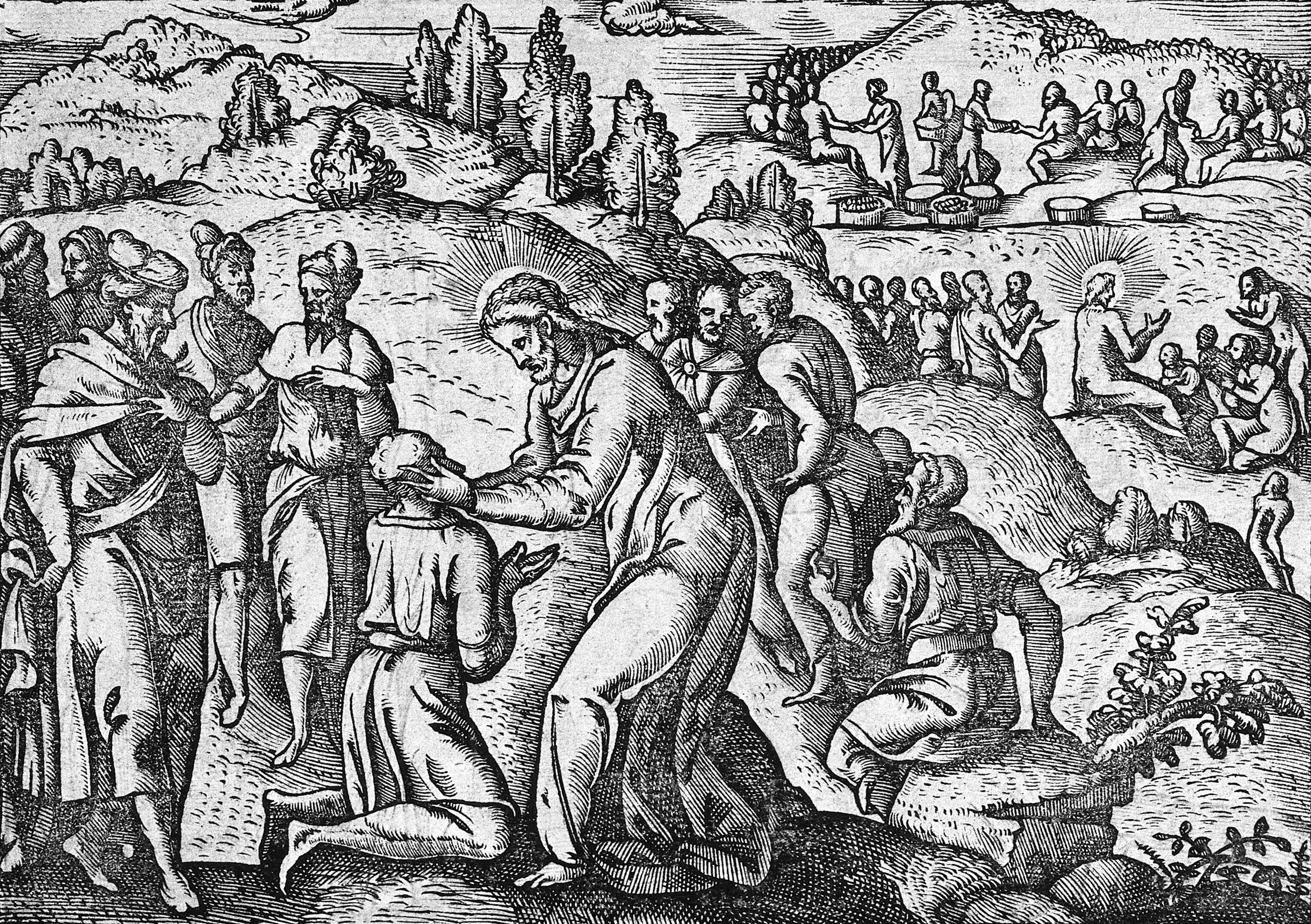
 Deacon Dan Schneider is a retired general manager of industrial distributors. He and his wife Vicki have been married for over 55 years. They are the parents of eight children and thirty-one grandchildren. He has a degree in Family Life Education from Spring Arbor University. He was ordained a Permanent Deacon in 2002. He has a passion for working with engaged and married couples and his main ministry has been preparing couples for marriage.
 Pamela Kavanaugh is a grateful wife, mother, and grandmother who has dedicated her professional life to Catholic education. Though she has done her very best to teach her students well in the subjects of language and religion, she knows that she has learned more than she has taught. She lives, teaches, and writes in southwest suburban Chicago.
 Kathryn Mulderink, MA, is married to Robert, Station Manager for Holy Family Radio. Together they have seven children (including Father Rob), and eleven grandchildren. She is President of the local community of Secular Discalced Carmelites and has published five books and many articles. Over the last 30 years, she has worked as a teacher, headmistress, catechist, Pastoral Associate, and DRE, and as a writer and voice talent for Catholic Radio. Currently, she serves the Church by writing and speaking, and by collaborating with various parishes and to lead others to encounter Christ and engage their faith. Her website is

 Ben Hooper is originally from Maryland, having been adopted from Korea and growing up in the Catholic faith. He went to Franciscan University to dive deeper into his faith and eventually graduated with a degree in Business Management. He loves musical theater, sports, spending time with his fiancé Lily and their dog Kolbe.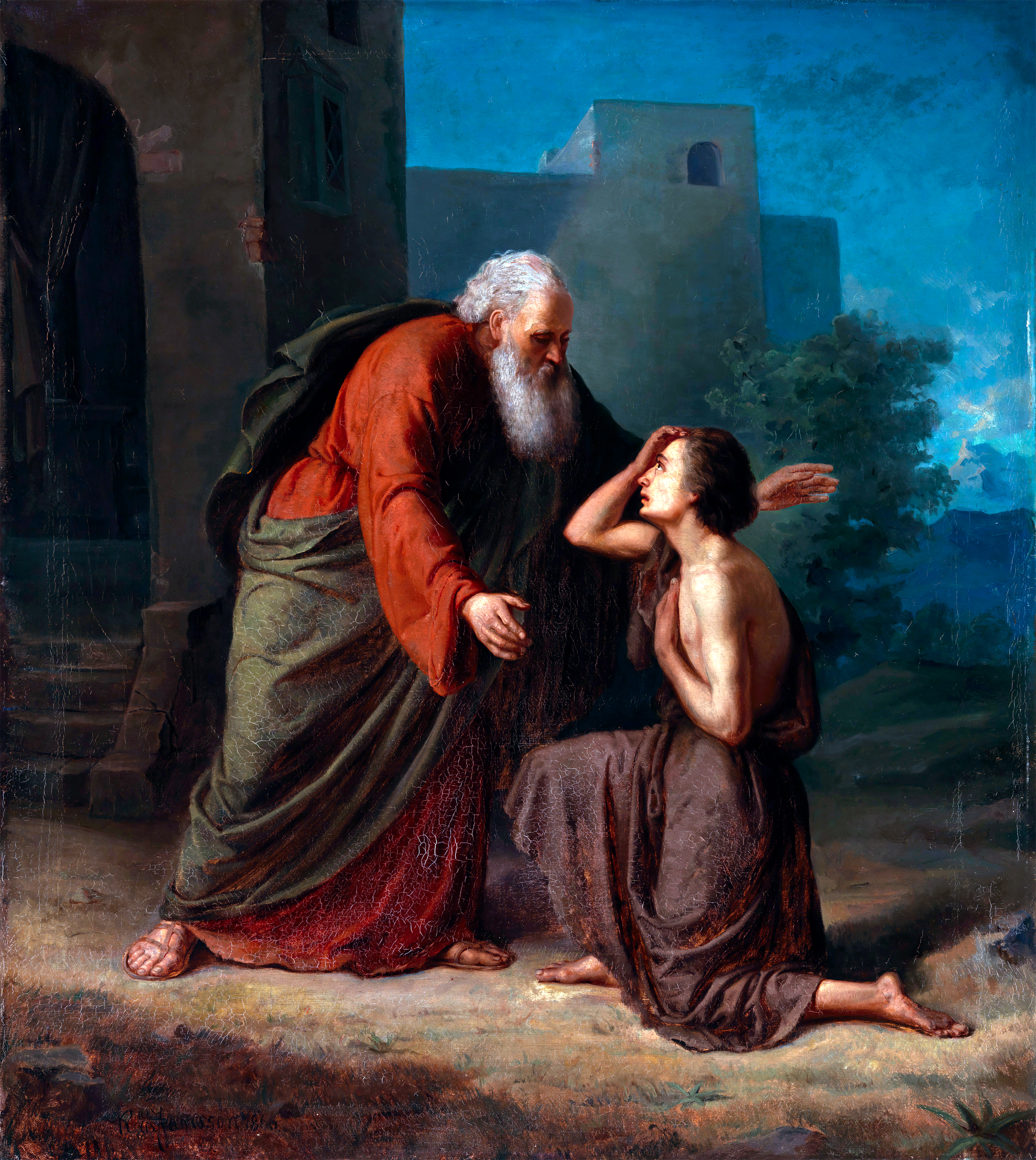

 Merridith Frediani loves words and is delighted by good sentences. She also loves Lake Michigan, dahlias, the first sip of hot coffee in the morning, millennials, and playing Sheepshead with her husband and three kids. She writes for Catholic Mom, Diocesan.com, and her local Catholic Herald. Her first book Draw Close to Jesus: A Woman’s Guide to Adoration is available at Our Sunday Visitor and Amazon. You can learn more at
  1-800-994-9817