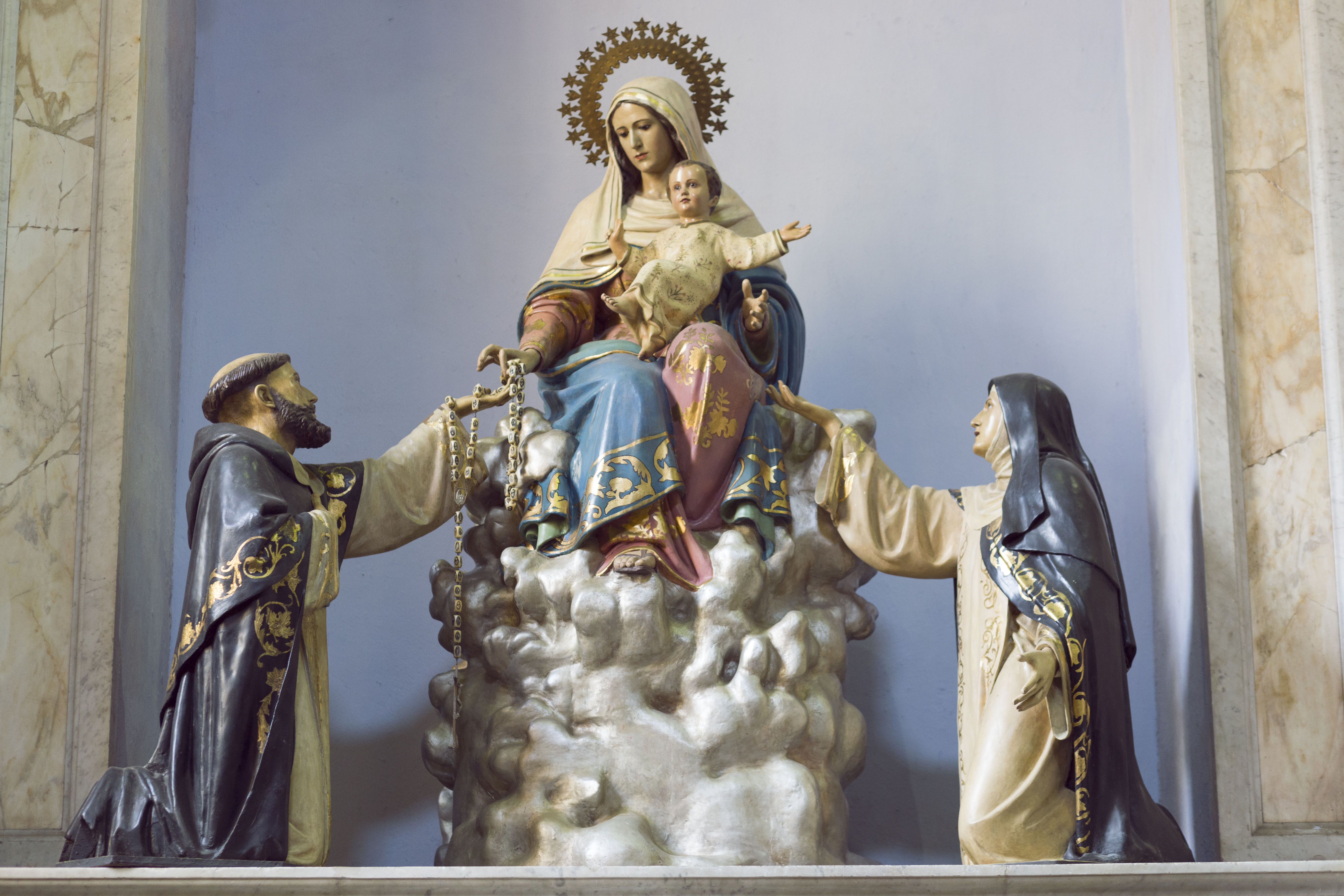
And the course of salvation history changed with our Mother’s simple, Yes to God. With time holding no boundaries between her and her Son, Mary exemplifies Thy Will Be Done. A young peasant girl, who would hold in her the epitome of His Grace.
The relationship between this most humble girl and her older cousin is such a powerful moment. Imagine these two women being so genuinely happy, both for each other and for the world. They put others before themselves at all times. Isn’t this what God has asked of us, to love and serve one another?
But additionally, Mary places her trust in God at all times. Today, I encourage us all to especially reflect on the last line of our Sunday Gospel.
Blessed are you who believed that what was spoken to you by the Lord would be fulfilled.
How often do we doubt God’s magnificent ways? Is He not the LORD of hosts, the all-powerful Ruler over the entire universe? Through His ways, the unthinkable can be achieved.
Let us follow the example of our most humble yet powerful Mother, who changed the world in her infinite love and belief.
 Dr. Alexis Dallara-Marsh is a board-certified neurologist who practices in Bergen County, NJ. She is a wife to her best friend, Akeem, and a mother of two little ones on Earth and two others in heaven above.
Feature Image Credit: Mariocorrea, https://www.cathopic.com/photo/8628-santisima-virgen-maria-rosario

 Leslie Sholly is a Catholic, Southern wife and mother of five, living in her hometown, Knoxville, Tennessee. She graduated from Georgetown University with an English major and Theology minor. She blogs at
 Mike Karpus is a regular guy. He grew up in Michigan’s Upper Peninsula, graduated from Michigan State University and works as an editor. He is married to a Catholic school principal, raised two daughters who became Catholic school teachers at points in their careers, and now relishes his two grandchildren, including the 3-year-old who teaches him what the colors of Father’s chasubles mean. He has served on a Catholic School board, a pastoral council and a parish stewardship committee. He currently is a lector at Mass, a Knight of Columbus, Adult Faith Formation Committee member and a board member of the local Habitat for Humanity organization. But mostly he’s a regular guy.


 Emily Jaminet is a Catholic author, speaker, radio personality, wife, and mother of seven children. She earned a bachelor’s degree in mental health and human services from the Franciscan University of Steubenville. She is the co-founder of
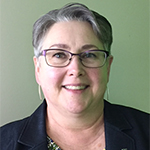

 Tami Urcia grew up in Western Michigan, a middle child in a large Catholic family. She spent early young adulthood as a missionary in Mexico, studying theology and philosophy, then worked and traveled extensively before finishing her Bachelor’s Degree in Western Kentucky. She loves tackling projects, finding fun ways to keep her little ones occupied, quiet conversation with the hubby and finding unique ways to love. She works at her parish, is a guest blogger on
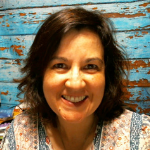

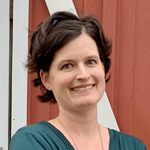 Kate Taliaferro is an Air Force wife and mother. She is blessed to be able to homeschool, bake bread and fold endless piles of laundry. When not planning a school day, writing a blog post or cooking pasta, Kate can be found curled up with a book or working with some kind of fiber craft. Kate blogs at


 Susan Ciancio has a BA in psychology and a BA in sociology from the University of Notre Dame, with an MA in liberal studies from Indiana University. For the past 17 years, she has worked as a professional editor and writer, editing both fiction and nonfiction books, magazine articles, blogs, educational lessons, professional materials and website content. Eleven of those years have been in the pro-life sector. Currently Susan freelances and writes weekly for HLI, edits for American Life League, and is the editor of Celebrate Life Magazine. She also serves as executive editor for the Culture of Life Studies Program-an educational nonprofit program for K-12 students.
 1-800-994-9817