
Our readings today seem a little disjointed, while at the same time having some similarities. In our first reading from Isaiah we have Hezekiah, a descendent of David and king of Judah, suffering from an illness. In our Gospel from Matthew, we have Jesus and his disciples walking through a field on the Sabbath, and the Lord’s followers are suffering from hunger.
Here’s a way the two narratives diverge. Isaiah tells Hezekiah to get his affairs in order because he is going to die and Hezekiah responds by praying to God. Meanwhile, the disciples recognize their hunger and take it upon themselves to pick grain from the field and start munching on it. Those ever-present Pharisees see it and scold the group for violating the rules of the Sabbath.
At this point, I think the two stories converge again, and it’s because of God’s love for his people. In Hezekiah’s prayer, he asks God to remember that he has been faithful. Indeed, Scripture lists the pious works of the king, clearing the temple of idols and reinstating worship in God alone. He even destroyed the bronze serpent that Moses lifted up in the desert to heal those bitten by poisonous snakes, because that great symbol of God’s love had been turned into an idol of its own when people began worshiping it instead of God. God hears Hezekiah’s prayer and sends Isaiah back to tell him he will recover from his illness and live many more years.
God also hears the condescension of the Pharisees upon the disciples, and He comes to their aid as well, in the person of His Son, Jesus, true God and true man. Jesus defends his followers, reminding the Pharisees that the rules of the Sabbath are meant to help people in their holiness, not hinder them in their well-being. David and his troops ate bread they were forbidden to eat on the Sabbath because of their need. God did not hold that against them. Jesus then quotes the prophet Hosea, “I desire mercy, not sacrifice.” In modern language, “These guys are hungry, cut them some slack.”
God protects His faithful servant, Hezekiah. Jesus protects His faithful followers, the disciples. That should lead us to great joy. If we recognize our place on this Earth as faithful servants and followers of our Lord, we can rejoice in knowing that He will hear our prayers and answer our needs.
Let us revel in our place, loving God with our whole heart, soul and mind, as we love our neighbor as ourselves — all the while staying humble in that place. Hezekiah later turned boastful about how faithful he was. The Apostles got caught arguing about who among them was the greatest. That’s not our place. That’s no way to respond to God’s goodness. He will truly respond to us with his unfathomable love when we properly and humbly respond to Him and his children.
Nuestras lecturas de hoy parecen un poco desencajadas, aunque al mismo tiempo tienen algunas similitudes. En la primera lectura de Isaías tenemos a Ezequías, descendiente de David y rey de Judá, que sufre de una enfermedad. En el Evangelio de Mateo, tenemos a Jesús y sus discípulos caminando por un campo en sábado, y los seguidores del Señor sufren de hambre.
He aquí una forma en que las dos narrativas divergen. Isaías le dice a Ezequías que ponga sus asuntos en orden porque va a morir y Ezequías responde rezando a Dios. Mientras tanto, los discípulos reconocen su hambre y se encargan de recoger grano del campo y empezar a comerlo. Esos fariseos siempre presentes lo ven y regañan al grupo por violar las reglas del sábado.
En este punto creo que las dos historias vuelven a converger, y nos demuestran el amor de Dios por su pueblo. En la oración de Ezequías, le pide a Dios que recuerde que ha sido fiel. De hecho, las Escrituras enumeran las obras piadosas del rey, limpiando el templo de ídolos y restableciendo el culto a Dios únicamente. Incluso destruyó la serpiente de bronce que Moisés levantó en el desierto para sanar a los mordidos por serpientes venenosas, porque ese gran símbolo del amor de Dios se había convertido en un ídolo cuando la gente comenzó a adorarlo en lugar de a Dios. Dios escucha la oración de Ezequías y envía a Isaías de regreso para decirle que se recuperará de su enfermedad y vivirá muchos años más.
Dios también escucha la condescendencia de los fariseos hacia los discípulos, y también viene en su ayuda, en la persona de su Hijo, Jesús, verdadero Dios y verdadero hombre. Jesús defiende a sus seguidores, recordando a los fariseos que las reglas del sábado están destinadas a ayudar a las personas en su santidad, no a obstaculizarles en su bienestar. David y sus tropas comieron pan que era prohibido comer en sábado debido a su necesidad. Dios no les reprochó eso. Luego Jesús cita al profeta Oseas: “Misericordia quiero y no sacrificios”. En lenguaje moderno, “Estos tipos tienen hambre, déjenlos en paz”.
Dios protege a su siervo fiel, Ezequías. Jesús protege a sus seguidores fieles, los discípulos. Eso debería llevarnos a una gran alegría. Si reconocemos nuestro lugar en esta Tierra como servidores y seguidores fieles de nuestro Señor, podemos regocijarnos al saber que Él escuchará nuestras oraciones y responderá a nuestras necesidades.
Deleitémonos en nuestro lugar, amando a Dios con todo el corazón, alma y mente, como amamos al prójimo como a nosotros mismos, manteniéndonos humildes en ese lugar. Más tarde, Ezequías presumió de lo fiel que era. Los Apóstoles quedaron atrapados discutiendo sobre quién de ellos era el más grande. Ese no es nuestro lugar. Esa no es la forma de responder a la bondad de Dios. Él verdaderamente nos responderá con su amor insondable cuando le respondamos apropiada y humildemente a Él y a sus hijos.
 Mike Karpus is a regular guy. He grew up in Michigan’s Upper Peninsula, graduated from Michigan State University and works as an editor. He is married to a Catholic school principal, raised two daughters who became Catholic school teachers at points in their careers, and now relishes his two grandchildren, including the older one who is fascinated with learning about his faith. He also has served on a Catholic school board, a pastoral council and a parish stewardship committee. He currently is a lector at Mass, a Knight of Columbus, Adult Faith Formation Committee member and a board member of the local Habitat for Humanity organization. But mostly he’s a regular guy.
Feature Image Credit: Melissa Askew, unsplash.com/photos/wheat-field-y4xZxzN754M


 Kathryn Mulderink, MA, is married to Robert, Station Manager for Holy Family Radio. Together they have seven children (including Father Rob), and eight grandchildren. She is President of the local community of Secular Discalced Carmelites and has published five books and many articles. Over the last 30 years, she has worked as a teacher, headmistress, catechist, Pastoral Associate, and DRE, and as a writer and voice talent for Catholic Radio. Currently, she serves the Church by writing and speaking, and by collaborating with various parishes and to lead others to encounter Christ and engage their faith. Her website is
 David Dashiell is a freelance author and editor in Nashville, Tennessee. He has a master’s degree in theology from Franciscan University, and is the editor of the anthology
 Kate Taliaferro is an Air Force wife and mother. She is blessed to be able to homeschool, bake bread and fold endless piles of laundry. When not planning a school day, writing a blog post or cooking pasta, Kate can be found curled up with a book or working with some kind of fiber craft. Kate blogs at
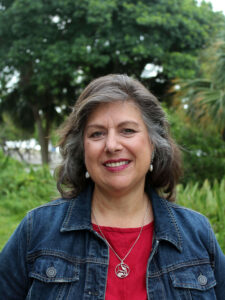 Deanna G. Bartalini, M.Ed.; M.P.A., is a certified spiritual director, writer, speaker and content creator. The

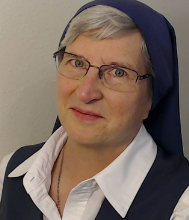 Sr. Mary Martha Moss, FSP has had the grace of serving the Lord for over 40 years as a Daughter of St. Paul. Joyfully engaged in the community’s media ministry, she has authored 3 children’s books, presented on various topics for adult faith formation, enjoyed running Online Book Studies, served as a Pauline Book & Media Center manager and continues singing the alto part with the Daughters of St. Paul Concert Choir.
 Allison Gingras (
 Merridith Frediani loves words and is delighted by good sentences. She also loves Lake Michigan, dahlias, the first sip of hot coffee in the morning, millennials, and playing Sheepshead with her husband and three kids. She writes for Catholic Mom, Diocesan.com, and her local Catholic Herald. Her first book Draw Close to Jesus: A Woman’s Guide to Adoration is available at Our Sunday Visitor and Amazon. You can learn more at
 1-800-994-9817