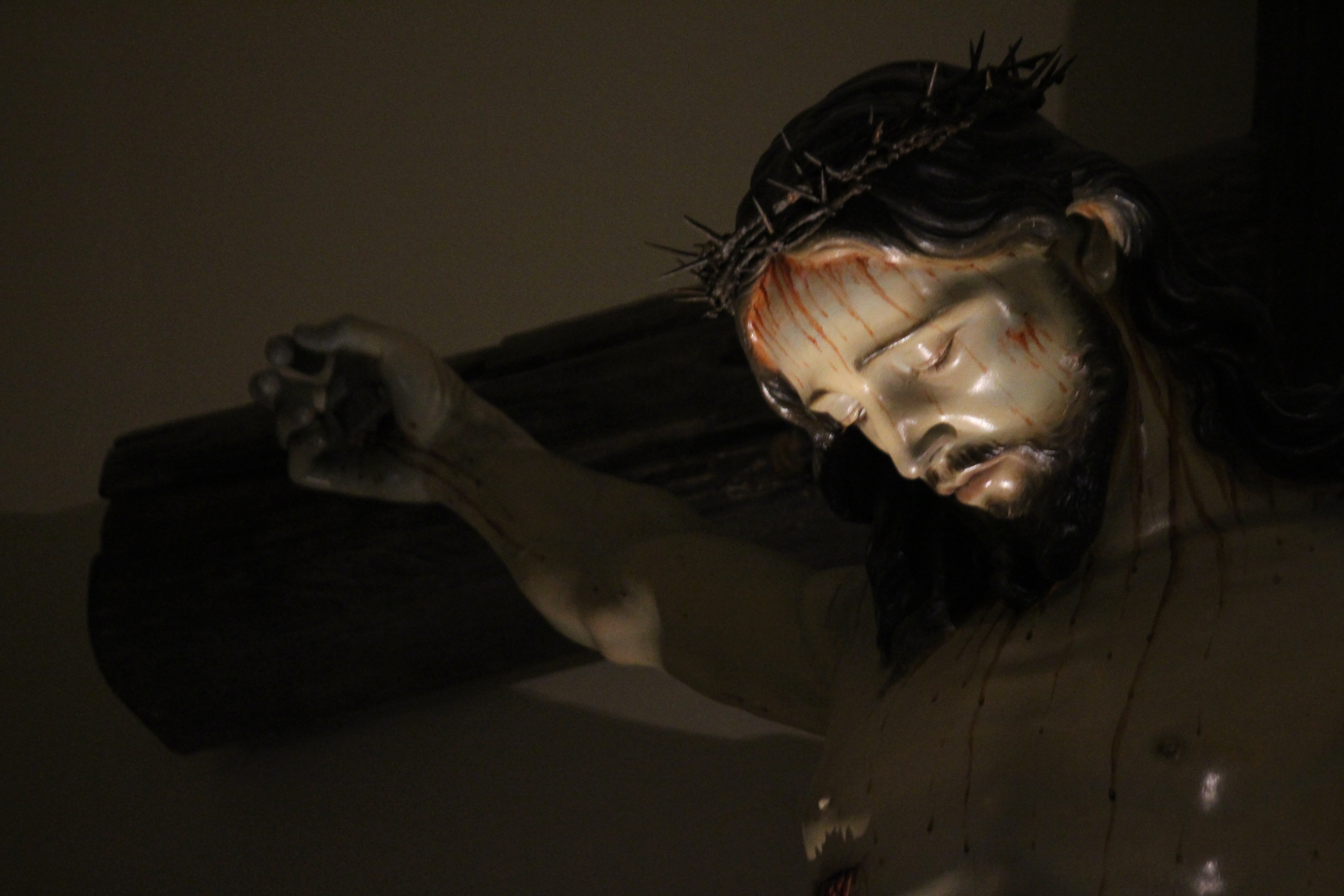
In today’s Gospel reading, Jesus tells His apostles that “the Son of Man did not come to be served but to serve and to give His life as a ransom for many.”
If we want to know how much God loves us, we need only look at the sacrifice Christ made by coming here and dying for our sins. As Fr. Mike Schmitz once said, “It is not the nails that kept Jesus on the cross. It’s His love for you.”
Christ’s love for us is hard to imagine. What He allowed Himself to go through is hard to imagine. The Sorrowful Mysteries of the Rosary are meant to help us focus on just how much Christ loves us. We can walk with Him in His pain, and we can walk with Him in His fears, for He was human as well as divine.
We can picture Jesus’ agony in the Garden of Gethsemane. He knows what will happen, yet He fears it. He asks His Father to take the cup away—if it is His will. He knows that it is not.
Jesus is then arrested, questioned, and mocked. He is scourged at the pillar and crowned with thorns. He is forced to carry His heavy cross to Golgotha, where soldiers drove nails through his flesh. He then hung on a cross in the hot sun, dying a slow and agonizing death.
He did this for you. He did this for me.
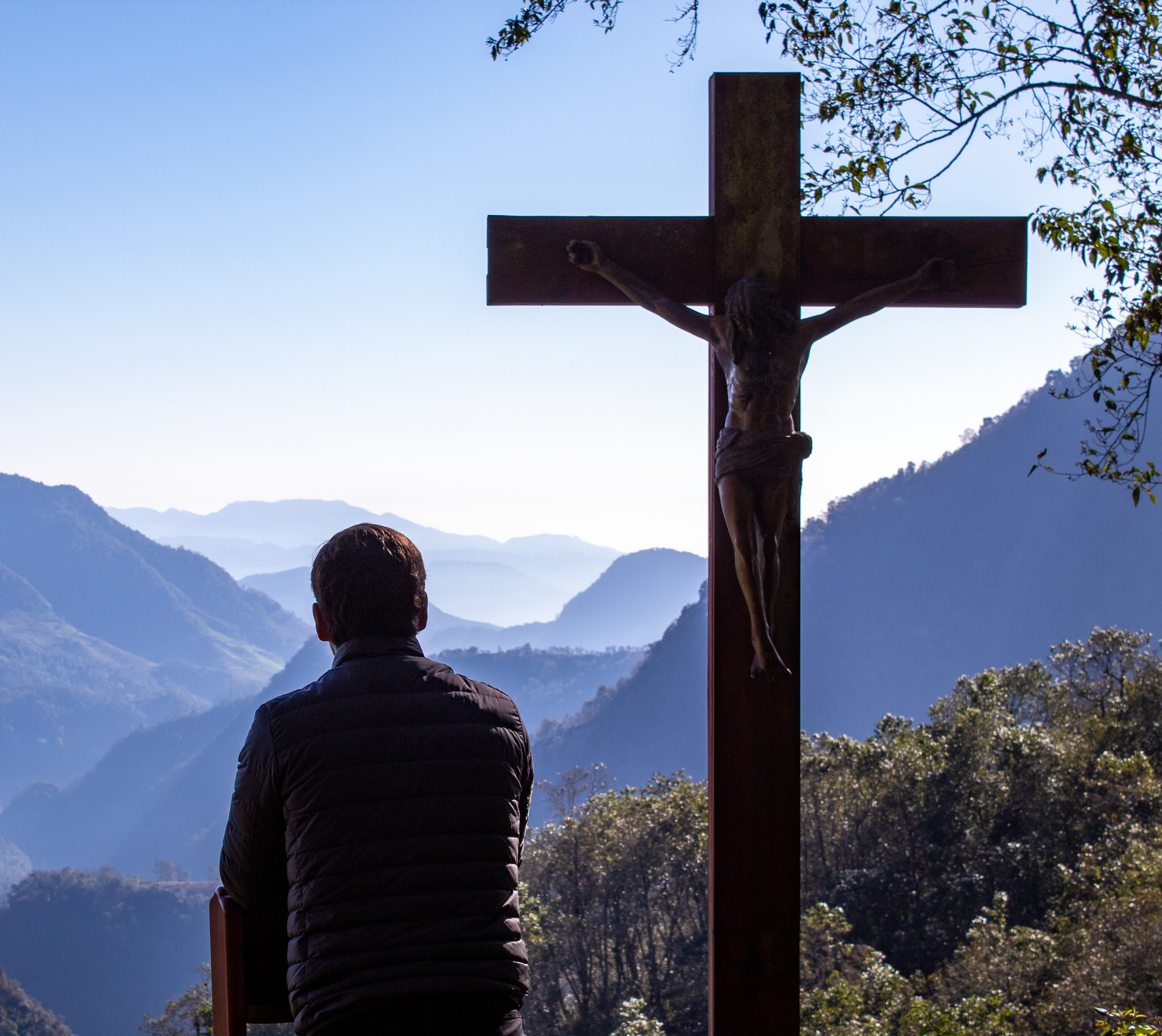
When we look at the crucifix, we should feel not just sorrow, but amazement. We should feel unworthy as the recipients of His love. And we should be grateful.
But do we thank Him? As we go about our days, do we think about His sacrifice? Do we think about His pain? Or are we too focused on worldly things to contemplate these facts?
As we look at Christ on the crucifix, let us allow ourselves to be filled with wonder as we ask Him: “You did all this to save me?”
We know that His answer is a resounding yes.
When we think about Christ’s yes, let us feel grateful, loved, and adored because what He gave us was an incredible gift that we are not worthy of.
As we reflect on all Christ did—and still does—for us, let us also contemplate Mary standing at the foot of the cross, her heartbreaking yet overflowing with love. It was her yes, her fiat to God that helped give the world such a gift.
And finally, let us think about how we too can say yes to God today and every day as we work to build a culture of life. Let us resolve to spend more time in prayer at the crucifix giving thanks for Christ’s sacrifice. And then let us live our lives expressing that gratitude.
En la lectura del Evangelio de hoy, Jesús les dice a sus apóstoles que “el Hijo del hombre no ha venido a ser servido, sino a servir y a dar la vida por la redención de todos”.
Si queremos saber cuánto nos ama Dios, solo tenemos que mirar el sacrificio que Cristo hizo al venir aquí y morir por nuestros pecados. Como el P. Mike Schmitz dijo una vez: “No son los clavos los que mantuvieron a Jesús en la cruz sino Su amor por ti”.
El amor de Cristo por nosotros es difícil de imaginar. Es difícil imaginar lo que se permitió pasar. Los Misterios Dolorosos del Rosario están destinados a ayudarnos a centrarnos en cuánto nos ama Cristo. Podemos caminar con Él en Su dolor, y podemos caminar con Él en Sus temores, porque Él era tanto humano como divino.
Podemos imaginarnos la agonía de Jesús en el Huerto de Getsemaní. Él sabe lo que sucederá, pero lo teme. Le pide a Su Padre que retire la copa, si es Su voluntad. Él sabe que no lo es.
Entonces Jesús es arrestado, interrogado y burlado. Es azotado en la columna y coronado de espinas. Se ve obligado a llevar Su pesada cruz al Gólgota, donde los soldados le clavan clavos en la carne. Luego colgó de una cruz bajo el sol abrasador, muriendo una muerte lenta y agonizante.
Él hizo esto por ti. Él hizo esto por mí.
Cuando miramos el crucifijo, debemos sentir no sólo tristeza, sino también asombro. Debemos sentirnos indignos como destinatarios de su amor. Y debemos estar agradecidos.
¿Pero le damos las gracias? A medida que avanzamos en nuestros días, ¿pensamos en Su sacrificio? ¿Pensamos en Su dolor? ¿O estamos demasiado centrados en las cosas mundanas para contemplar estos hechos?
Mientras miramos a Cristo en el crucifijo, dejémonos maravillar al preguntarle: “¿Hiciste todo esto para salvarme?”
Sabemos que su respuesta es un sí entusiastico.
Cuando pensamos en el sí de Cristo, sintámonos agradecidos, amados y adorados porque lo que Él nos dio fue un regalo increíble del que no somos dignos.
Mientras reflexionamos sobre todo lo que Cristo hizo, y todavía hace, por nosotros, también contemplemos a María parada al pie de la cruz, su corazón desgarrador pero lleno de amor. Fue su sí, su “fiat” a Dios lo que ayudó a dar al mundo tal don.
Y finalmente, pensemos en cómo nosotros también podemos decir sí a Dios hoy y todos los días mientras trabajamos para construir una cultura de vida. Resolvamos pasar más tiempo en oración ante el crucifijo dando gracias por el sacrificio de Cristo. Y luego vivamos nuestras vidas expresando esa gratitud.
 Susan Ciancio has a BA in psychology and a BA in sociology from the University of Notre Dame, with an MA in liberal studies from Indiana University. For the past 19 years, she has worked as a professional editor and writer, editing both fiction and nonfiction books, magazine articles, blogs, educational lessons, professional materials and website content. Thirteen of those years have been in the pro-life sector. Currently Susan freelances and writes weekly for HLI, edits for American Life League, and is the executive editor of Celebrate Life Magazine. She also serves as executive editor for the Culture of Life Studies Program—an educational nonprofit program for K-12 students. You can reach her at slochner0.wixsite.com/website.
Feature Image Credit: Alberto Skw, https://cathopic.com/photo/8155-rostro-de-cristo-en-la-cruz


 Elizabeth Tomlin is the author of Joyful Momentum: Building and Sustaining Vibrant Women’s Groups and contributing author to the Ave Prayer Book for Catholic Mothers. She is General Counsel for the Archdiocese for the Military Services, USA. Elizabeth is an Army wife and mother of three and currently lives in the DC area. She blogs at


 Merridith Frediani loves words and is delighted by good sentences. She also loves Lake Michigan, dahlias, the first sip of hot coffee in the morning, millennials, and playing Sheepshead with her husband and three kids. She writes for Catholic Mom, Diocesan.com, and her local Catholic Herald. Her first book Draw Close to Jesus: A Woman’s Guide to Adoration is available at Our Sunday Visitor and Amazon. You can learn more at
 Sheryl is happy to be the number 1 cheerleader and supporter for her husband, Tom who is a candidate for the Permanent Diaconate in the Diocese of Kalamazoo. They are so grateful for the opportunity to grow together in this process. Sheryl’s day job is serving her community as the principal for St. Therese Catholic School in Wayland, Michigan. Since every time she thinks she gets life all figured out, she realizes just how far she has to go, St. Rita of Cascia is her go-to Saint for intercession and help. Home includes Carlyn, a very, very goofy Golden Retriever and Lucy, our not-so-little rescue puppy.

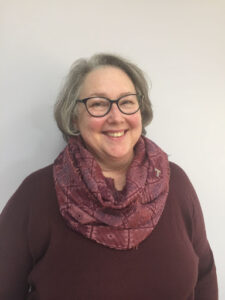

 Tami Urcia grew up in Western Michigan, a middle child in a large Catholic family. She spent early young adulthood as a missionary in Mexico, studying theology and philosophy, then worked and traveled extensively before finishing her Bachelor’s Degree in Western Kentucky. She loves tackling projects, finding fun ways to keep her little ones occupied, quiet conversation with the hubby and finding unique ways to love. She works at for Christian Healthcare Centers, is a guest blogger on
 Deacon Dan Schneider is a retired general manager of industrial distributors. He and his wife Vicki have been married for over 50 years. They are the parents of eight children and thirty grandchildren. He has a degree in Family Life Education from Spring Arbor University. He was ordained a Permanent Deacon in 2002. He has a passion for working with engaged and married couples and his main ministry has been preparing couples for marriage.
 Dr. Alexis Dallara-Marsh is a board-certified neurologist who practices in Bergen County, NJ. She is a wife to her best friend, Akeem, and a mother of two little ones on Earth and two others in heaven above.
 1-800-994-9817