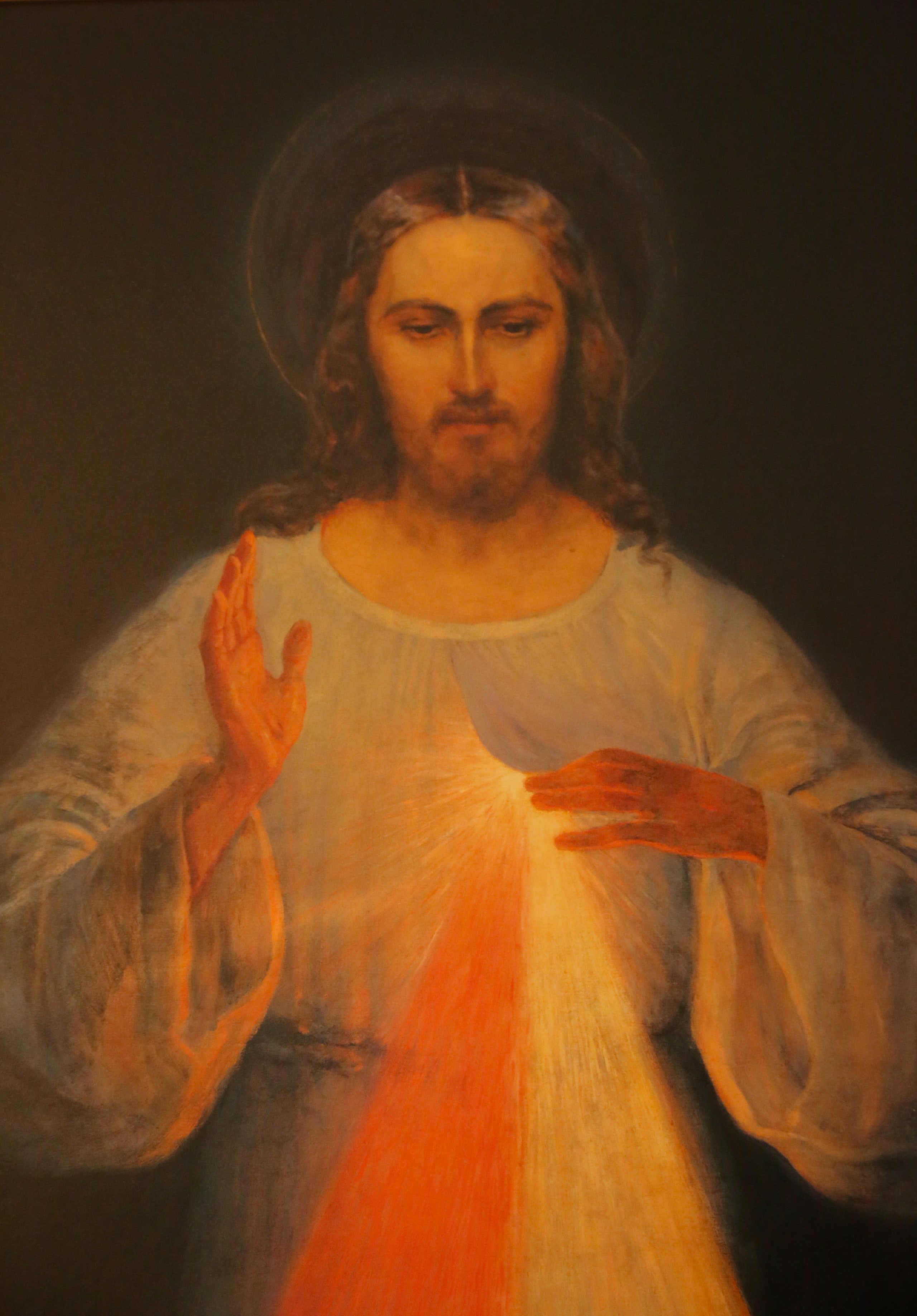
Every year, I am in awe that we prepare for Easter with 40 days of penitence, and then celebrate Christ’s Resurrection for 50 days! Every day of the Octave of Easter is one long Easter Sunday, liturgically speaking; a week-long day of rejoicing, encompassing the “first day of the week” (Easter Sunday) and the “eighth day” of the week (Divine Mercy Sunday). This “eighth day” becomes the new “first day”, the symbol of the new creation Christ has set in motion.
The eighth day as a sign of holiness and freedom is seen in Scripture, particularly in the Book of Leviticus. On this day, children were circumcised, becoming purified and receiving the seal of the covenant (Lev 12:2-3). Animals were ceremonially unclean before their eighth day, and could not be sacrificed before then (Lev 22:27). All people who were unclean for any reason remained so until the eighth day, when they were accounted clean (Lev 14:8-10; 15:13-14). Even the vessels for ministry and the priests went through seven days of purification, and were “clean” on the eighth day.
The Gospel tells us that Jesus rose on “the first day of the week,” which is the same as the “eighth day.” The Jewish people hold Saturday, the seventh day, as a day of rest and worship, because God rested on the seventh day of creation. But Christians acknowledge that Jesus’ sacrifice on Calvary fulfilled every Levitical oblation and sacrifice, and the resurrection on the “eighth day” points to the NEW creation and the final fulfillment of all creation. In the early Church, the baptismal font was often octagonal, to symbolize that through this font that we become a new creation in Christ!
On Divine Mercy Sunday, we see Jesus putting Thomas’ doubts to rest by revealing his wounds, through which he poured out mercy on the world. It is through these wounds that Jesus gave us the incredible gifts of cleansing and forgiveness and renewal, and here he gives his disciples the authority to forgive in the sacrament of Penance. In Jesus’ many words and actions and miracles, he proved that Love overcomes every sin and shortcoming. On this “eighth day” of Easter, we glimpse the whole point and hear anew the call to fulfillment of all creation: the final victory over every uncleanness and sinfulness, and our final, glorious rest at the Marriage Feast of the Lamb, celebrating the definitive conquering of death on the mystical eighth day of creation in eternity.
In the Diary of St. Faustina Kowalska, Jesus reveals his desire that this day be “a refuge and shelter for all souls… On that day, the very depths of My tender mercy are open. I pour out a whole ocean of graces upon those souls who approach the Fount of My Mercy.” So, let us joyfully approach that Fount by going to Confession and receiving Him in Communion to welcome the Gift of His healing love!
Cada año, me sorprende que nos preparemos para la Pascua con 40 días de penitencia y luego ¡celebremos la Resurrección de Cristo durante 50 días! Cada día de la Octava de Pascua es un largo Domingo de Pascua, litúrgicamente hablando; un día de regocijo de una semana de duración, que abarca el “primer día de la semana” (Domingo de Pascua) y el “octavo día” de la semana (Domingo de la Divina Misericordia). Este “octavo día” se convierte en el nuevo “primer día”, símbolo de la nueva creación que Cristo ha puesto en marcha.
El octavo día como signo de santidad y libertad se ve en las Escrituras, particularmente en el Libro de Levítico. En este día, los niños fueron circuncidados, siendo purificados y recibiendo el sello del pacto (Lv 12:2-3). Los animales eran ceremonialmente impuros antes del octavo día y no podían ser sacrificados antes de esa fecha (Lv 22:27). Todas las personas que eran inmundas por cualquier motivo permanecían así hasta el octavo día, cuando eran consideradas limpias (Lv 14, 8-10; 15, 13-14). Incluso los vasos para el ministerio y los sacerdotes pasaron por siete días de purificación, y estaban “limpios” en el octavo día.
El Evangelio nos dice que Jesús resucitó “el primer día de la semana”, que es lo mismo que el “octavo día”. El pueblo judío tiene el sábado, el séptimo día, como un día de descanso y adoración, porque Dios descansó en el séptimo día de la creación. Pero los cristianos reconocen que el sacrificio de Jesús en el Calvario cumplió con cada oblación y sacrificio levítico, y la resurrección en el “octavo día” apunta a la NUEVA creación y el cumplimiento final de toda la creación. En la Iglesia primitiva, la pila bautismal a menudo era octogonal, para simbolizar que a través de esta pila nos convertimos en una nueva creación en Cristo.
En el Domingo de la Divina Misericordia, vemos a Jesús disipando las dudas de Tomás al revelar sus heridas, a través de las cuales derramó misericordia sobre el mundo. Es a través de estas heridas que Jesús nos dio los dones increíbles de la limpieza y el perdón y la renovación, y aquí les da a sus discípulos la autoridad para perdonar en el sacramento de la Penitencia. En muchas palabras, acciones y milagros de Jesús, demostró que el Amor vence todo pecado y defecto. En este “octavo día” de Pascua, vislumbramos todo el punto y escuchamos de nuevo el llamado al cumplimiento de toda la creación: la victoria final sobre toda inmundicia y pecado, y nuestro descanso final y glorioso en la Fiesta de las Bodas del Cordero, celebrando el conquista definitiva de la muerte en el místico octavo día de la creación en la eternidad.
En el Diario de Santa Faustina Kowalska, Jesús revela su deseo de que este día sea “refugio y cobijo para todas las almas… En ese día, se abren las profundidades mismas de Mi tierna misericordia. Derramo todo un océano de gracias sobre aquellas almas que se acercan a la Fuente de Mi Misericordia.” ¡Acerquémonos, pues, con alegría a esa Fuente, confesándonos y recibiéndolo en la Comunión para acoger el Don de su amor sanador!
 Kathryn Mulderink, MA, is married to Robert, Station Manager for Holy Family Radio. Together they have seven children (including Father Rob), and seven grandchildren. She is President of the local community of Secular Discalced Carmelites and has published five books and many articles. Over the last 30 years, she has worked as a teacher, headmistress, catechist, Pastoral Associate, and DRE, and as a writer and voice talent for Catholic Radio. Currently, she serves the Church by writing and speaking, and by collaborating with various parishes and to lead others to encounter Christ and engage their faith. Her website is www.KathrynTherese.com
Feature Image Credit: Angie Menes, cathopic.com/photo/13303-la-misericordia-de-dios


 J.M. Pallas has had a lifelong love of Scriptures. When she is not busy with her vocation as a wife and mother to her “1 Samuel 1” son, or her vocation as a public health educator, you may find her at her parish women’s bible study, affectionately known as “The Bible Chicks.”
 Emily Jaminet is a Catholic author, speaker, radio personality, wife, and mother of seven children. She earned a bachelor’s degree in mental health and human services from the Franciscan University of Steubenville. She is the co-founder of
 Dakota lives in Denver, CO with her husband, Ralph, and their two sons, Alfie & Theophilus. She is the Dean of Enrollment Management for Bishop Machebeuf High School where her husband also teaches. You can find Dakota at the zoo or a brewery with her family or with her nose in a book at home. For more of Dakota’s writing check out

 Susan Ciancio has a BA in psychology and a BA in sociology from the University of Notre Dame, with an MA in liberal studies from Indiana University. For the past 19 years, she has worked as a professional editor and writer, editing both fiction and nonfiction books, magazine articles, blogs, educational lessons, professional materials and website content. Thirteen of those years have been in the pro-life sector. Currently Susan freelances and writes weekly for HLI, edits for American Life League, and is the executive editor of Celebrate Life Magazine. She also serves as executive editor for the Culture of Life Studies Program—an educational nonprofit program for K-12 students. You can reach her at
 Dr. Alexis Dallara-Marsh is a board-certified neurologist who practices in Bergen County, NJ. She is a wife to her best friend, Akeem, and a mother of two little ones on Earth and two others in heaven above.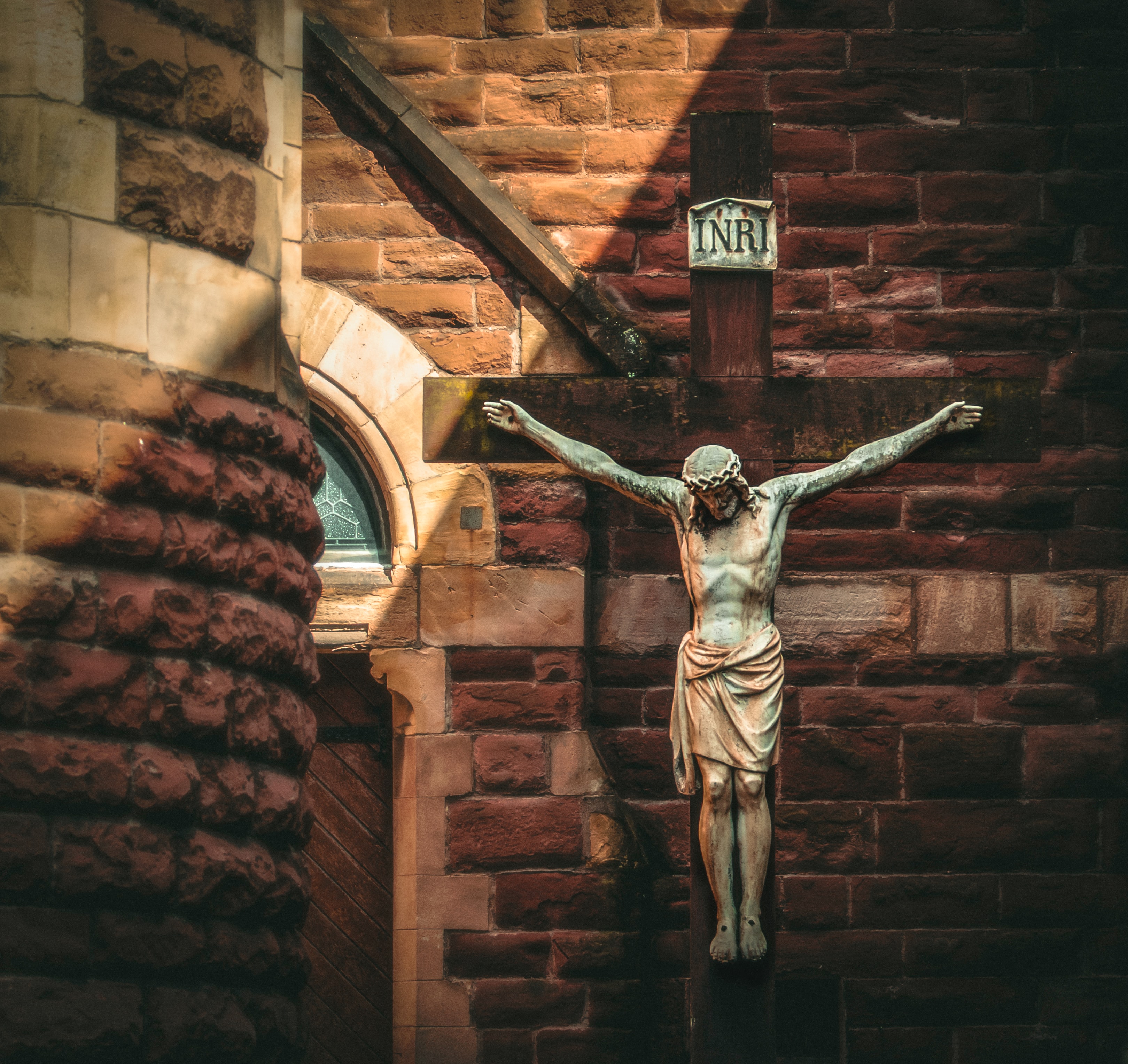
 Elizabeth Tomlin is the author of Joyful Momentum: Building and Sustaining Vibrant Women’s Groups and contributing author to the Ave Prayer Book for Catholic Mothers. She is General Counsel for the Archdiocese for the Military Services, USA. Elizabeth is an Army wife and mother of three and currently lives in the DC area. She blogs at

 1-800-994-9817