Happy Easter! Christ has conquered death and given us new life; let us praise him, Alleluia!
Matthew tells us that Mary Magdalene and the other Mary left Jesus’ tomb to run quickly to the Apostles with the Good News that Jesus had risen. He says they were “fearful, yet overjoyed.” That phrase stood out for me as I read the Gospel. It made me pause to consider how often I have been fearful yet overjoyed in my own life.
I can still recall the weight of my son’s head in the crook of my arm as they wheeled me out of the hospital. I was thrilled to be going home with this sweet baby boy, and yet, could I do this? Be a mom, raise my son – sure, I loved him, but could I do all the things?
And then, I was led to leave teaching and begin working in parish ministry. It had always been a deep desire of mine, and I was overjoyed that God answered my prayer, but again, the responsibility was a bit daunting.
God has called each of us to many new things as life changes. We are not the people we were five or ten years ago. And that is a good thing. Growing in our faith, going in the direction Jesus asks, and truly living our faith as Easter people means we can hold two opposite emotions simultaneously. Being fearful does not have to mean we refuse to move forward; fear can make us turn to Jesus and find joy in him.
In fact, the only place we can find true joy is in Jesus. He can take all of our fears, sorrows, pain, and suffering in exchange for joy. The empty tomb that Mary Magdalene and the other Mary left, was not needed anymore. We do not need to hold onto what is not needed. In this Easter season of joy, what fears can you let go of so you can be overjoyed at the gift of Jesus’ resurrection?
¡Felices Pascuas! Cristo ha vencido la muerte y nos ha dado vida nueva; ¡Alabémoslo, Aleluya!
Mateo nos cuenta que María Magdalena y la otra María salieron de la tumba de Jesús para correr rápidamente hacia los Apóstoles con la Buena Nueva de que Jesús había resucitado. Dice que estaban “llenas de temor y de gran alegría”. Esa frase me llamó la atención mientras leía el Evangelio. Me hizo detenerme a considerar con qué frecuencia he sentido miedo y, al mismo tiempo, me he sentido muy feliz en mi propia vida.
Todavía recuerdo el peso de la cabeza de mi hijo en el hueco de mi brazo mientras me dieron de alta del hospital. Estaba encantada de volver a casa con este dulce bebé y, sin embargo, ¿podría hacer esto? Ser madre, criar a mi hijo; claro, lo amaba, pero ¿podría hacer todo?
Y luego Dios me llamó a dejar de ser profesora y comenzar a trabajar en el ministerio parroquial. Siempre había sido un deseo profundo para mí y estaba muy feliz de que Dios respondiera mi oración, pero nuevamente, la responsabilidad era un poco abrumadora.
Dios nos llama a cada uno de nosotros a muchas cosas nuevas a medida que la vida va cambiando. Ya no somos las personas que éramos hace cinco o diez años. Y eso es algo bueno. Crecer en la fe, ir en la dirección que Jesús pide y vivir verdaderamente nuestra fe como personas de Pascua significa que podemos tener dos emociones opuestas simultáneamente. Tener miedo no tiene por qué significar que nos negamos a seguir adelante; el miedo puede hacernos acudir a Jesús y encontrar alegría en él.
De hecho, el único lugar donde podemos encontrar el verdadero gozo es en Jesús. Él puede tomar todos nuestros miedos, penas, dolor y sufrimiento a cambio de alegría. La tumba vacía que dejaron María Magdalena y la otra María ya no era necesaria. No necesitamos aferrarnos a lo que no es necesario. En este tiempo de alegría pascual, ¿qué temores puedes dejar de lado para poder estar lleno de gozo por el regalo de la resurrección de Jesús?
 Deanna G. Bartalini, M.Ed.; M.P.A., is a certified spiritual director, writer, speaker and content creator. The LiveNotLukewarm.com online community is a place to inform, engage and inspire your Catholic faith. Her weekly Not Lukewarm Podcast gives you tips and tools to live out your faith in your daily life.
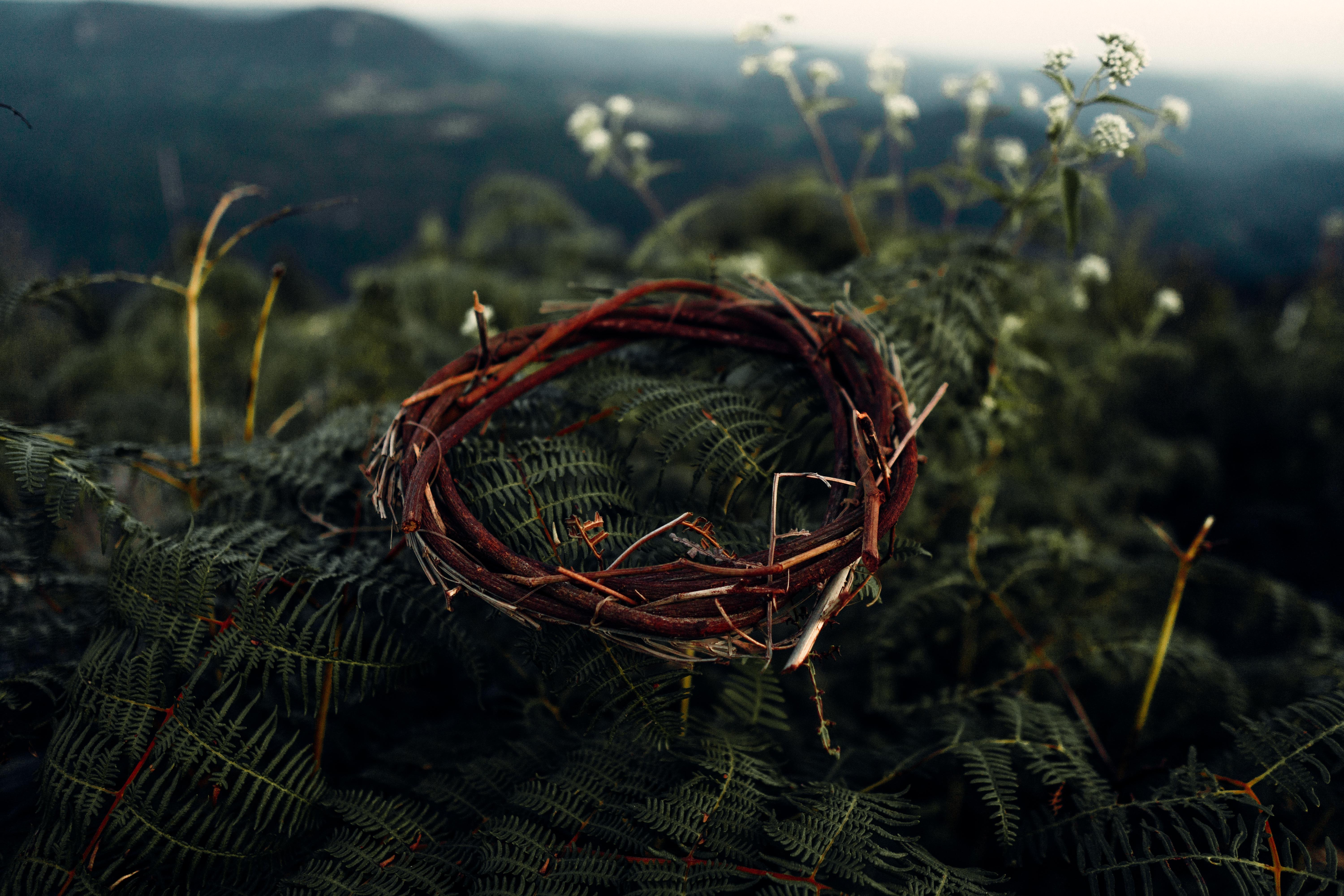
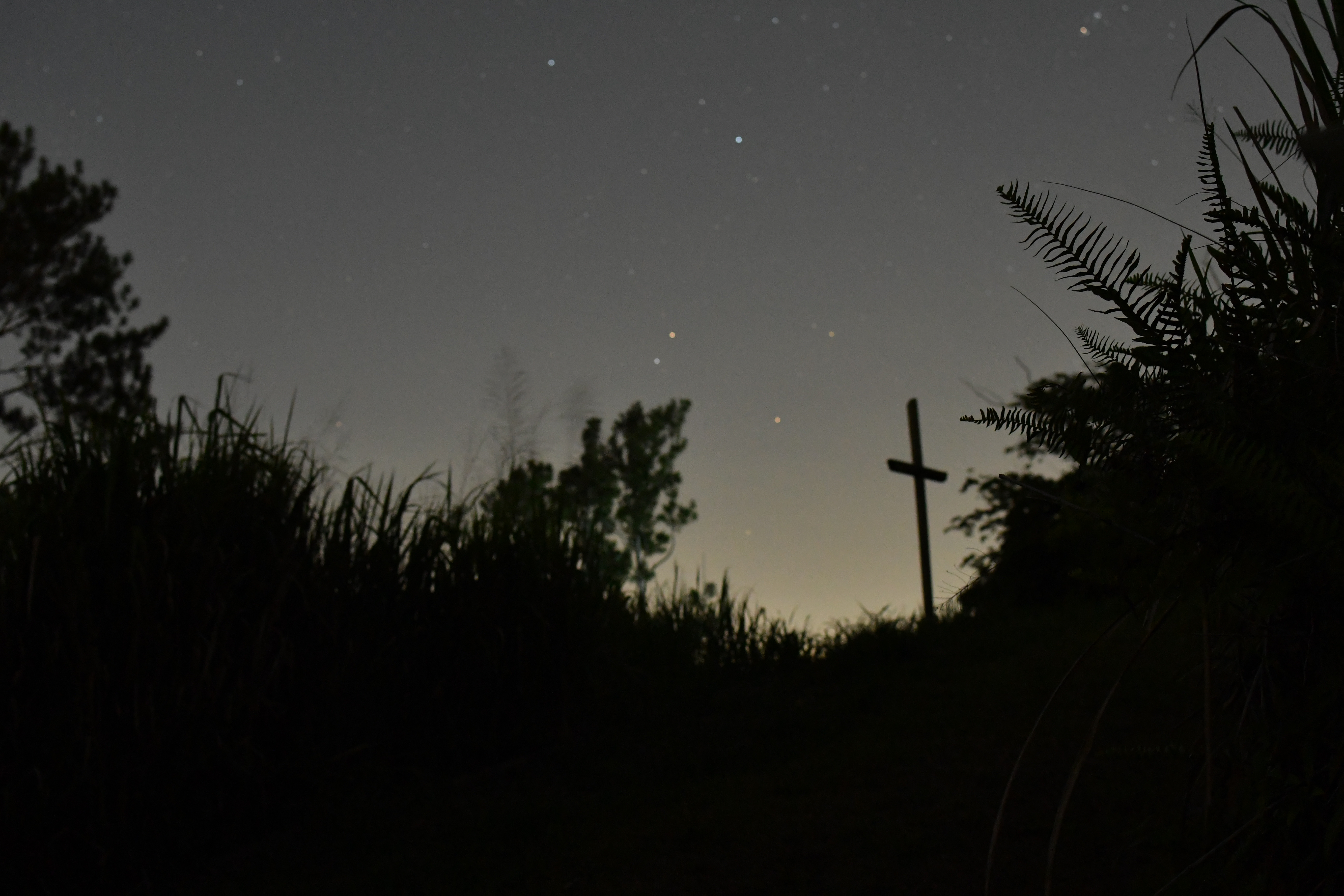
Feature Image Credit: Samuel Lopes, unsplash.com/photos/brown-and-black-wire-on-green-grass-during-daytime-Ip5pvMPwlyo
 David Dashiell is a freelance author and editor in Nashville, Tennessee. He has a master’s degree in theology from Franciscan University, and is the editor of the anthology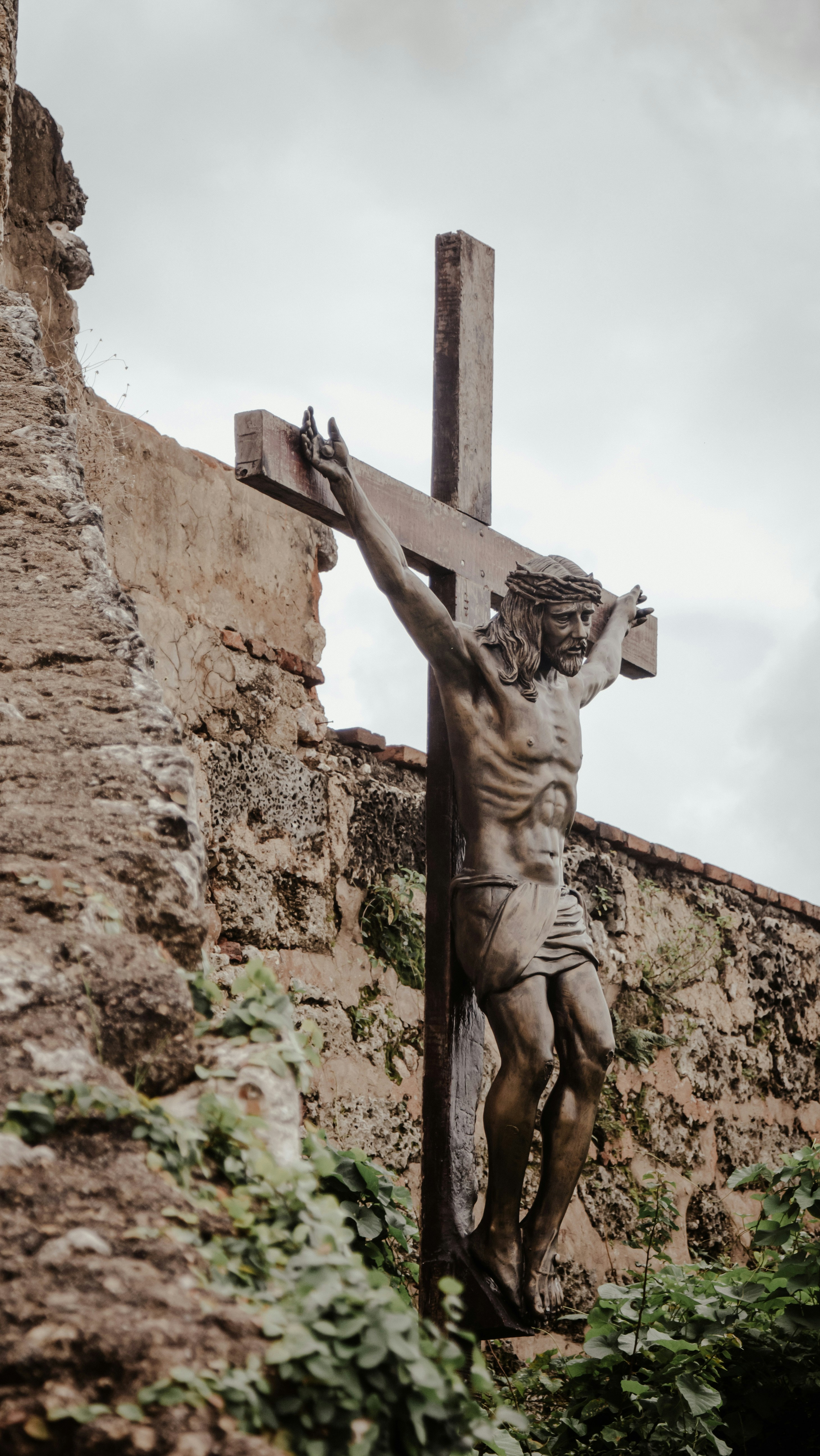
 Emily Jaminet is a Catholic author, speaker, radio personality, wife, and mother of seven children. She earned a bachelor’s degree in mental health and human services from the Franciscan University of Steubenville. She is the co-founder of
 Dr. Alexis Dallara-Marsh is a board-certified neurologist who practices in Bergen County, NJ. She is a wife to her best friend, Akeem, and a mother of two little ones on Earth and two others in heaven above.
 Susan Ciancio has a BA in psychology and a BA in sociology from the University of Notre Dame, with an MA in liberal studies from Indiana University. For the past 19 years, she has worked as a professional editor and writer, editing both fiction and nonfiction books, magazine articles, blogs, educational lessons, professional materials and website content. Thirteen of those years have been in the pro-life sector. Currently Susan freelances and writes weekly for HLI, edits for American Life League, and is the executive editor of Celebrate Life Magazine. She also serves as executive editor for the Culture of Life Studies Program—an educational nonprofit program for K-12 students. You can reach her at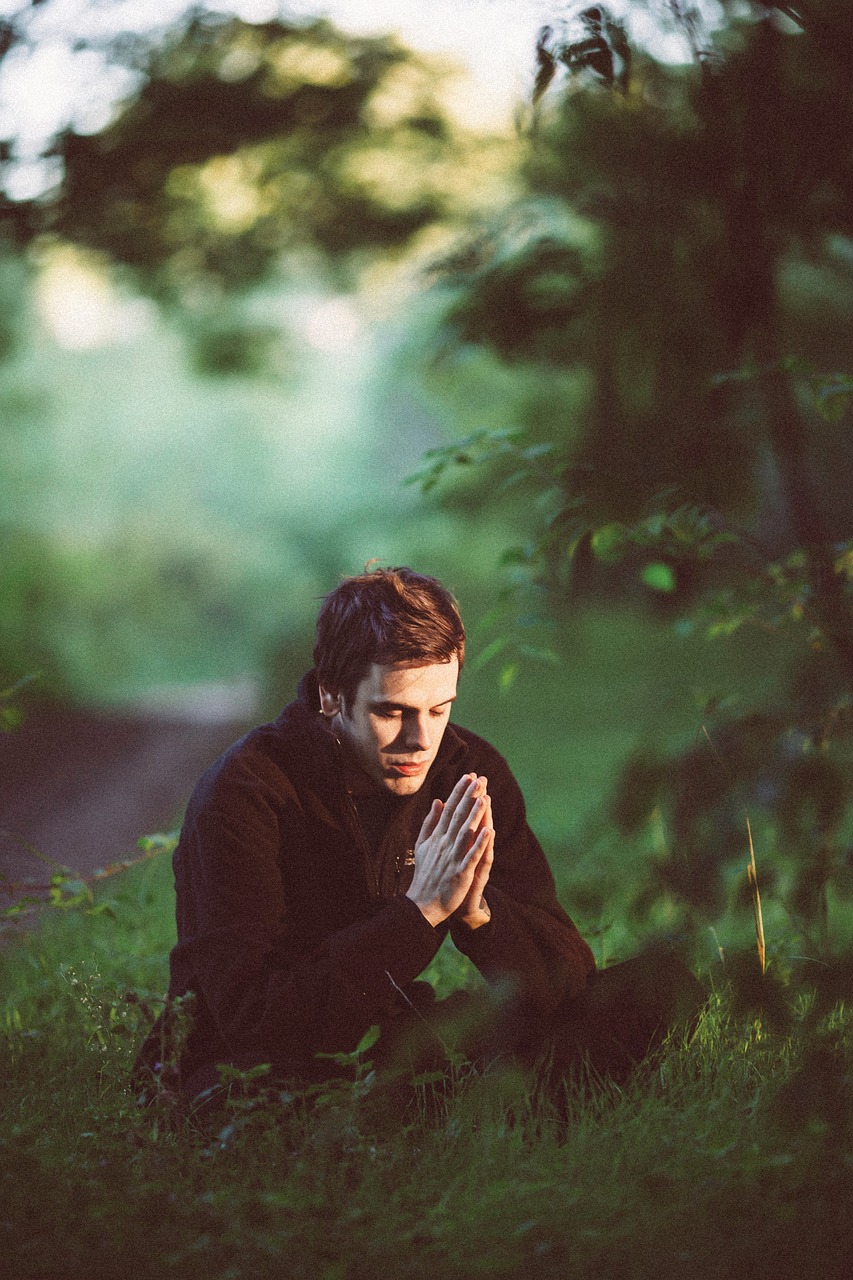

 Tami Urcia grew up in Western Michigan, a middle child in a large Catholic family. She spent early young adulthood as a missionary in Mexico, studying theology and philosophy, then worked and traveled extensively before finishing her Bachelor’s Degree in Western Kentucky. She loves tackling projects, finding fun ways to keep her little ones occupied, quiet conversation with the hubby and finding unique ways to love. She works full time, is a guest blogger on
 Kathryn Mulderink, MA, is married to Robert, Station Manager for Holy Family Radio. Together they have seven children (including Father Rob), and seven grandchildren. She is President of the local community of Secular Discalced Carmelites and has published five books and many articles. Over the last 30 years, she has worked as a teacher, headmistress, catechist, Pastoral Associate, and DRE, and as a writer and voice talent for Catholic Radio. Currently, she serves the Church by writing and speaking, and by collaborating with various parishes and to lead others to encounter Christ and engage their faith. Her website is
 Kate Taliaferro is an Air Force wife and mother. She is blessed to be able to homeschool, bake bread and fold endless piles of laundry. When not planning a school day, writing a blog post or cooking pasta, Kate can be found curled up with a book or working with some kind of fiber craft. Kate blogs at
  1-800-994-9817