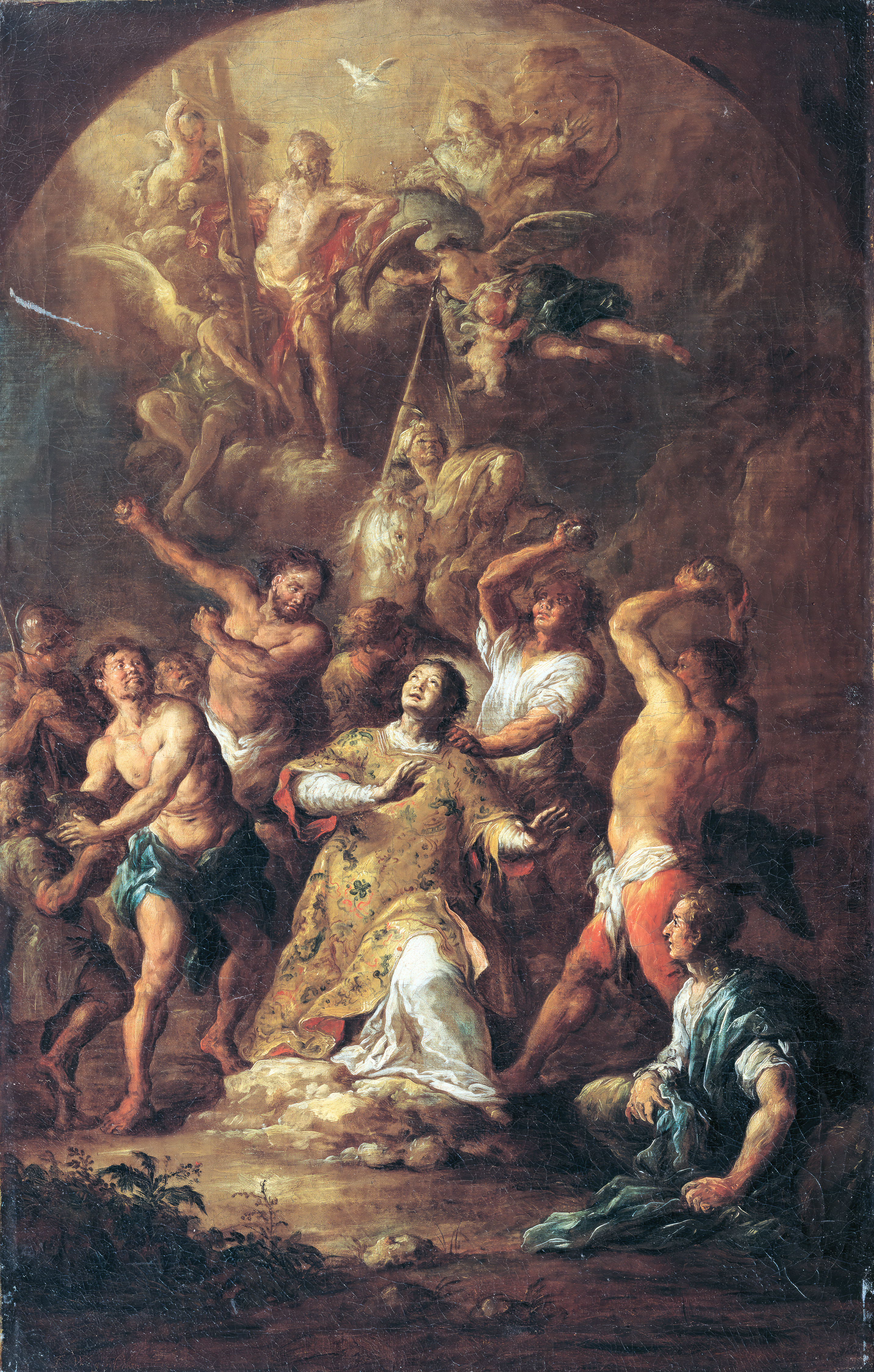
It’s always been odd to me to have a feast of the first martyr the day after Christmas. Yes, as Christians, we know difficult things will be required of us, but does that mean we have to have a reminder right after we celebrate Jesus coming into the world? Can we just have joy for a little bit?
Based on my research, the reason this day was chosen as the feast of St. Stephen was because on this day in the 5th century, the relics of St. Stephen were discovered after having been forgotten for centuries. But, as I’ve often discovered in my own life, the reasons and ways of God are subject to multiple interpretations, and life is often both/and, not either/or.
While on this date God did restore the relics of the first martyr to us, it’s also a stark reminder to us that, amid our Christmas joy, Jesus came to us to die. God’s plan was beyond anything we ever could have imagined, but it involved sorrow and death.
But as we already know, sorrow and death weren’t the final answer. Everlasting joy and the beauty of Heaven wait for us who believe and live as we believe. I think that’s another reason why we celebrate the Feast of St. Stephen on this day: Christ coming to the earth only prefigured the sorrow he would experience on the Cross, and the sorrow of the martyrs who would give their lives for the sake of the Gospel. On the other side of death, however, is everlasting life.
So is the Feast of St. Stephen on December 26th a stark reminder of what we are called to as Christians? Absolutely. But it is also a reminder of the promise of Heaven. That is why, even as we commemorate St. Stephen’s martyrdom, our joy is complete.
Siempre me ha parecido extraño celebrar la fiesta del primer mártir el día después de la Navidad. Sí, como cristianos, sabemos que se nos exigirán cosas difíciles, pero ¿eso significa que tenemos que tener un recordatorio justo después de celebrar la llegada de Jesús al mundo? ¿No podemos ser gozosos un rato, por lo menos?
Según mi investigación, la razón por la que se eligió este día como la fiesta de San Esteban fue porque en este día del siglo V se descubrieron las reliquias de San Esteban después de haber estado olvidadas durante siglos. Pero, como he descubierto a menudo en mi propia vida, las razones y los caminos de Dios están sujetos a múltiples interpretaciones, y la vida a menudo incluye ambas cosas, no una u otra.
Si bien en esta fecha Dios nos devolvió las reliquias del primer mártir, también es un duro recordatorio para nosotros de que, en medio de la alegría navideña, Jesús vino a nosotros para morir. El plan de Dios estaba más allá de todo lo que pudiéramos haber imaginado, pero implicaba dolor y muerte.
Pero como ya sabemos, el dolor y la muerte no fueron la respuesta final. El gozo eterno y la belleza del Cielo nos esperan a los que creemos y vivimos como creemos. Creo que esa es otra razón por la que celebramos la fiesta de San Esteban en este día: la venida de Cristo a la tierra prefiguró el dolor que experimentaría en la cruz y el dolor de los mártires que darían sus vidas por el Evangelio. Sin embargo, al otro lado de la muerte está la vida eterna.
Entonces, ¿la fiesta de San Esteban, el 26 de diciembre, es un duro recordatorio de lo que estamos llamados a hacer como cristianos? Absolutamente. Pero también es un recordatorio de la promesa del Cielo. Es por eso que, incluso cuando conmemoramos el martirio de San Esteban, nuestro gozo puede ser completo.
 Mary Thissen is a St. Louis native living in East Central Illinois with her husband and children. She is blessed with twin boys Earthside and four children now living in Heaven. When she is not working as a healthcare data analyst or caring for her boys, she enjoys studying and writing about the Catholic faith and ministering to women who are suffering through miscarriage or infertility. You can connect with Mary on Instagram @waitingonmiracles.
Feature Image Credit: Franz Xaver Wagenschon, art.diocesan.com/stock-photo/stoning-of-saint-stephen-14400/
 Deacon Dan Schneider is a retired general manager of industrial distributors. He and his wife Vicki have been married for over 50 years. They are the parents of eight children and thirty-one grandchildren. He has a degree in Family Life Education from Spring Arbor University. He was ordained a Permanent Deacon in 2002. He has a passion for working with engaged and married couples and his main ministry has been preparing couples for marriage.
 Tami Urcia grew up in Western Michigan, a middle child in a large Catholic family. She spent early young adulthood as a missionary in Mexico, studying theology and philosophy, then worked and traveled extensively before finishing her Bachelor’s Degree in Western Kentucky. She loves tackling projects, finding fun ways to keep her little ones occupied, quiet conversation with the hubby and finding unique ways to love. She works full time at Diocesan, is a guest blogger on
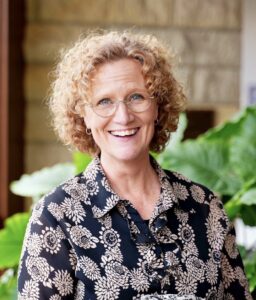 Kathryn Mulderink, MA, is married to Robert, Station Manager for Holy Family Radio. Together they have seven children (including Father Rob), and eleven grandchildren. She is President of the local community of Secular Discalced Carmelites and has published five books and many articles. Over the last 30 years, she has worked as a teacher, headmistress, catechist, Pastoral Associate, and DRE, and as a writer and voice talent for Catholic Radio. Currently, she serves the Church by writing and speaking, and by collaborating with various parishes and to lead others to encounter Christ and engage their faith. Her website is
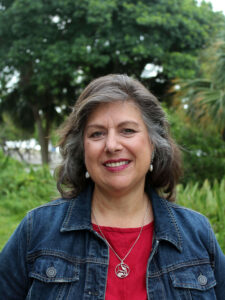 Deanna G. Bartalini, M.Ed.; M.P.A., is a certified spiritual director, writer, speaker and content creator. The
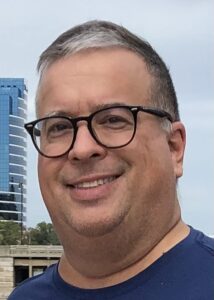 Mike Karpus is a regular guy. He grew up in Michigan’s Upper Peninsula, graduated from Michigan State University and works as an editor. He is married to a Catholic school principal, raised two daughters who became Catholic school teachers at points in their careers, and now relishes his two grandchildren, including the older one who is fascinated with learning about his faith. He also has served on a Catholic school board, a pastoral council and a parish stewardship committee. He currently is a lector at Mass, a Knight of Columbus, Adult Faith Formation Committee member and a board member of the local Habitat for Humanity organization. But mostly he’s a regular guy.
 Merridith Frediani loves words and is delighted by good sentences. She also loves Lake Michigan, dahlias, the first sip of hot coffee in the morning, millennials, and playing Sheepshead with her husband and three kids. She writes for Catholic Mom, Diocesan.com, and her local Catholic Herald. Her first book Draw Close to Jesus: A Woman’s Guide to Adoration is available at Our Sunday Visitor and Amazon. You can learn more at
 Kate Taliaferro is an Air Force wife and mother. She is blessed to be able to homeschool, bake bread and fold endless piles of laundry. When not planning a school day, writing a blog post or cooking pasta, Kate can be found curled up with a book or working with some kind of fiber craft. Kate blogs at
  1-800-994-9817