Back in 2007, a group of researchers compared the amount of food consumed between two groups. They were curious to discover if the evidence of food already eaten (in this case, individuals were given chicken wings to eat while watching a football game) would impact the amount they ate altogether. They found that the participants ate less at the tables where the bones were left out in plain sight in comparison to the tables where the bones were removed. “The results suggest that people restrict their consumption when evidence of food consumed is available to signal how much food they have eaten.” (Brian Wansink, Cornell Chronicle, April 9, 2007).
In today’s Gospel, Jesus miraculously appears before the apostles. If His resurrected body wasn’t shocking enough, He still bore the wounds of His crucifixion. There is nothing that Jesus cannot do. His very presence before the Apostles is a testament to that. So if He can do anything, why did He choose to leave those wounds, the very gruesome and heart wrenching places that we, humanity, created?
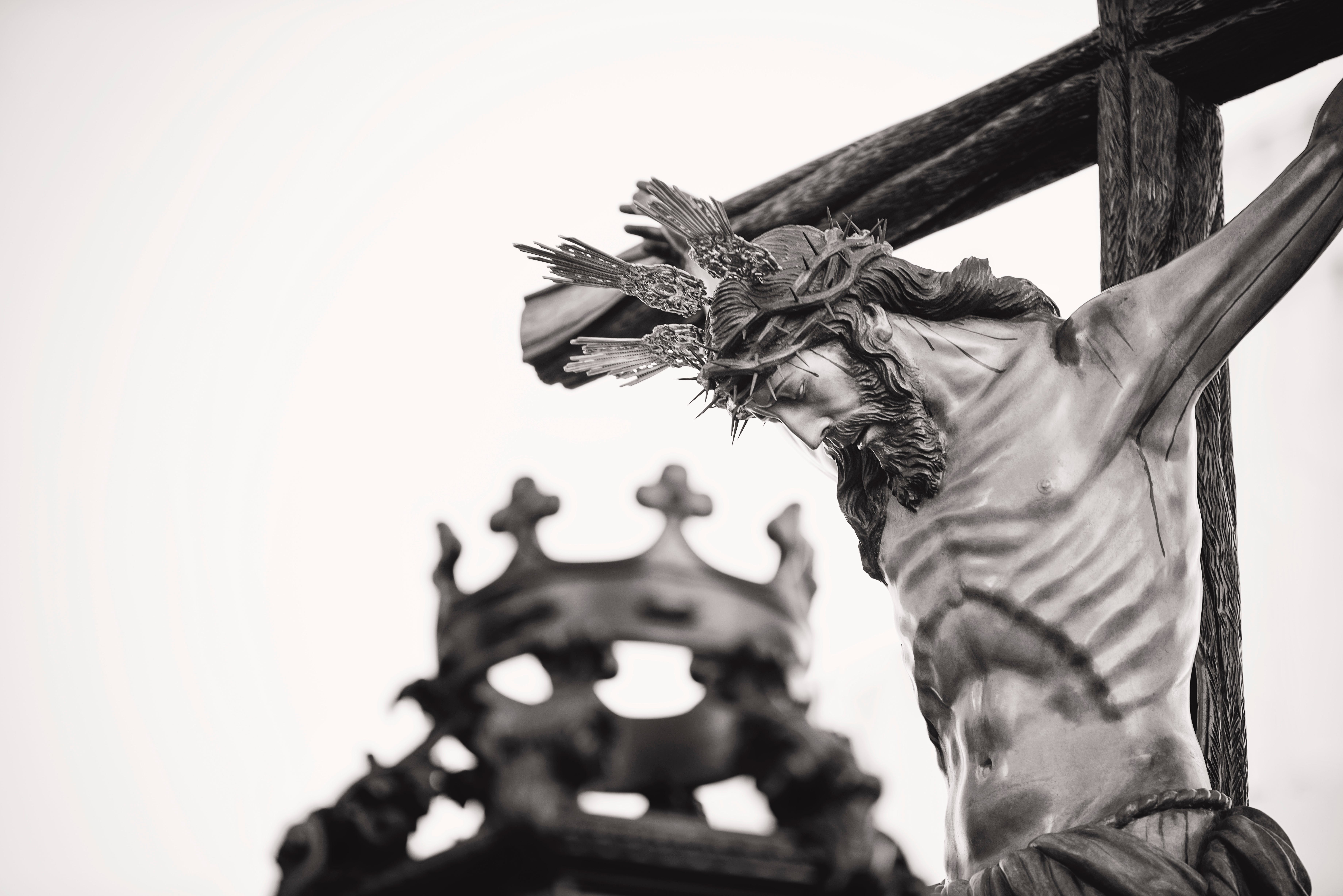
The wounds of Christ bear witness to the truth of His sacrifice. His wounds are proof to the Apostles that He is who He says He is. In a way, Jesus is providing them a second chance to look upon Him on the cross. Only John was at the foot of the cross, but he was not the only one to witness the marks of it. We too, are invited to gaze upon the broken body of Christ. We need to see, we need to remember.
Each time we enter a church, we see the cross behind the altar. Without the cross, there would be no resurrection. St. Augustine said, “The death of the Lord our God should not be a cause of shame for us; rather, it should be our greatest hope, our greatest glory. In taking upon himself the death that he found in us, he has most faithfully promised to give us life in him, such as we cannot have of ourselves.”
For the same reason that the people eating chicken wings need a visual to remind them of how much they have eaten, we need Jesus’ wounds to vividly remind us of the lengths He was willing to go to save us. We humans are slow to learn and quick to forget. We quickly forget the price that was paid for our salvation. We bemoan all the things we are lacking, rather than lifting our empty hands in adoration to the God who gave us everything we have.
Jesus’ wounds should shock us, yes. But they are also the most precious things we have ever received, for through them we are reborn to eternal life.
En el 2007, un grupo de investigadores comparó la cantidad de alimentos consumidos entre dos grupos. Tenían curiosidad por descubrir si la evidencia de los alimentos ya consumidos (en este caso, a los individuos se les dieron alitas de pollo para comer mientras veían un partido de fútbol) afectaría la cantidad que comían en total. Descubrieron que los participantes comían menos en las mesas donde los huesos se dejaban a la vista en comparación con las mesas donde se retiraban los huesos. “Los resultados sugieren que las personas restringen su consumo cuando hay evidencia disponible de los alimentos consumidos que indican la cantidad de alimentos que han consumido”. (Brian Wansink, Cornell Chronicle, 9 de abril de 2007).
En el evangelio de hoy, Jesús aparece milagrosamente ante los apóstoles. Si Su cuerpo resucitado no fuera lo suficientemente impactante, todavía llevaba las heridas de Su crucifixión. No hay nada que Jesús no pueda hacer. Su misma presencia ante los Apóstoles es un testimonio de ello. Entonces, si Él puede hacer cualquier cosa que desee, ¿por qué decidió dejar esas heridas, los lugares tan espantosos y desgarradores que nosotros, la humanidad, creamos?
Las llagas de Cristo dan testimonio de la verdad de su sacrificio. Sus heridas son prueba para los Apóstoles de que Él es quien dice ser. En cierto modo, Jesús les está brindando una segunda oportunidad de mirarlo en la cruz. Sólo Juan estuvo al pie de la cruz, pero no fue el único en presenciar las marcas de la misma. Nosotros también estamos invitados a contemplar el cuerpo destrozado de Cristo. Necesitamos ver, necesitamos recordar.
Cada vez que entramos a una iglesia, vemos la cruz detrás del altar. Sin la cruz no habría resurrección. San Agustín dijo: “La muerte del Señor nuestro Dios no debe ser motivo de vergüenza para nosotros; más bien, debería ser nuestra mayor esperanza, nuestra mayor gloria. Al tomar sobre sí la muerte que encontró en nosotros, ha prometido fielmente darnos vida en él, la cual no podemos tener por nosotros mismos”.
Por la misma razón que las personas que comen alitas de pollo necesitan una imagen que les recuerde cuánto hayan comido, necesitamos que las heridas de Jesús nos recuerden vívidamente hasta qué punto estuvo dispuesto a llegar para salvarnos. Los seres humanos somos lentos para aprender y rápidos para olvidar. Rápidamente olvidamos el precio que se pagó por nuestra salvación. Lamentamos todas las cosas que nos faltan, en lugar de levantar nuestras manos vacías en adoración al Dios que nos dio todo lo que tenemos.
Las heridas de Jesús deberían escandalizarnos, sí. Pero también son las cosas más preciosas que jamás hayamos recibido, porque a través de ellas renacemos a la vida eterna.
 Kate Taliaferro is an Air Force wife and mother. She is blessed to be able to homeschool, bake bread and fold endless piles of laundry. When not planning a school day, writing a blog post or cooking pasta, Kate can be found curled up with a book or working with some kind of fiber craft. Kate blogs at DailyGraces.net.
Feature Image Credit: Alem Sánchez, pexels.com/photo/grayscale-photo-of-crucifix-977657/

 Merridith Frediani loves words and is delighted by good sentences. She also loves Lake Michigan, dahlias, the first sip of hot coffee in the morning, millennials, and playing Sheepshead with her husband and three kids. She writes for Catholic Mom, Diocesan.com, and her local Catholic Herald. Her first book Draw Close to Jesus: A Woman’s Guide to Adoration is available at Our Sunday Visitor and Amazon. You can learn more at
 Elizabeth Tomlin is the author of Joyful Momentum: Building and Sustaining Vibrant Women’s Groups and contributing author to the Ave Prayer Book for Catholic Mothers. She is General Counsel for the Archdiocese for the Military Services, USA. Elizabeth is an Army wife and mother of three and currently lives in the DC area. She blogs at

 Allison Gingras (
 Dr. Alexis Dallara-Marsh is a board-certified neurologist who practices in Bergen County, NJ. She is a wife to her best friend, Akeem, and a mother of two little ones on Earth and two others in heaven above.
 Tami Urcia grew up in Western Michigan, a middle child in a large Catholic family. She spent early young adulthood as a missionary in Mexico, studying theology and philosophy, then worked and traveled extensively before finishing her Bachelor’s Degree in Western Kentucky. She loves tackling projects, finding fun ways to keep her little ones occupied, quiet conversation with the hubby and finding unique ways to love. She works full time, is a guest blogger on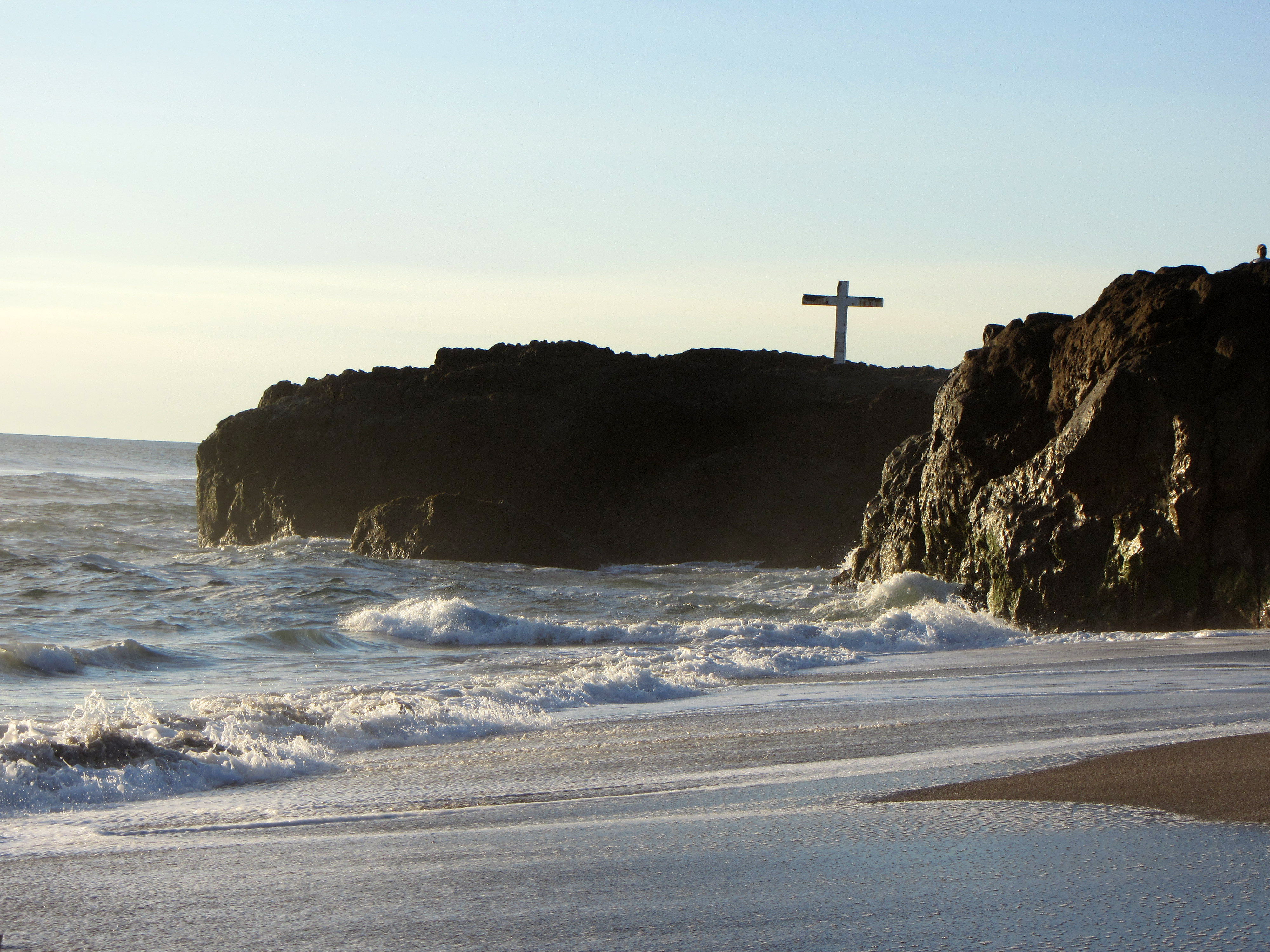
 Emily Jaminet is a Catholic author, speaker, radio personality, wife, and mother of seven children. She earned a bachelor’s degree in mental health and human services from the Franciscan University of Steubenville. She is the co-founder of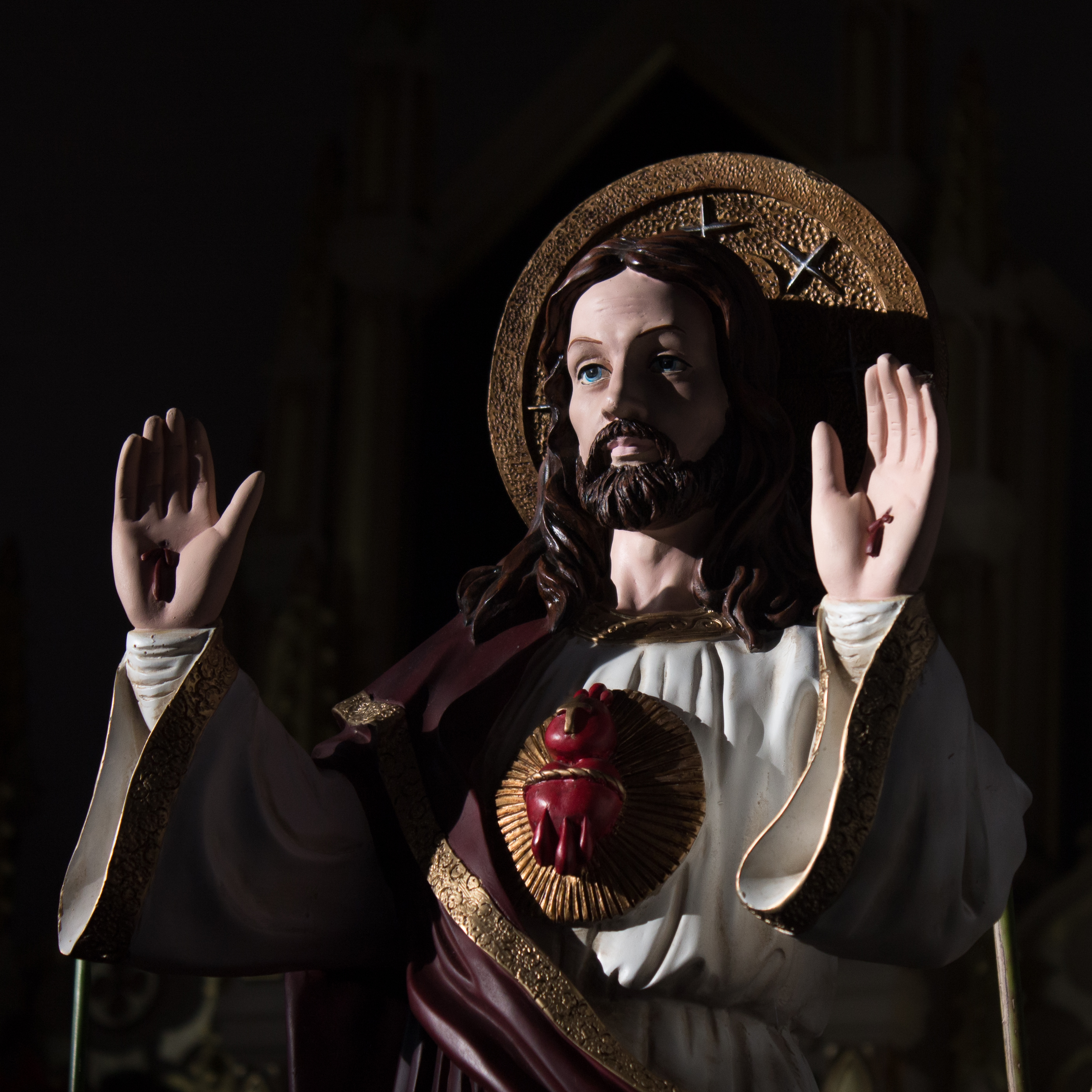
 Kathryn Mulderink, MA, is married to Robert, Station Manager for Holy Family Radio. Together they have seven children (including Father Rob), and seven grandchildren. She is President of the local community of Secular Discalced Carmelites and has published five books and many articles. Over the last 30 years, she has worked as a teacher, headmistress, catechist, Pastoral Associate, and DRE, and as a writer and voice talent for Catholic Radio. Currently, she serves the Church by writing and speaking, and by collaborating with various parishes and to lead others to encounter Christ and engage their faith. Her website is
 1-800-994-9817