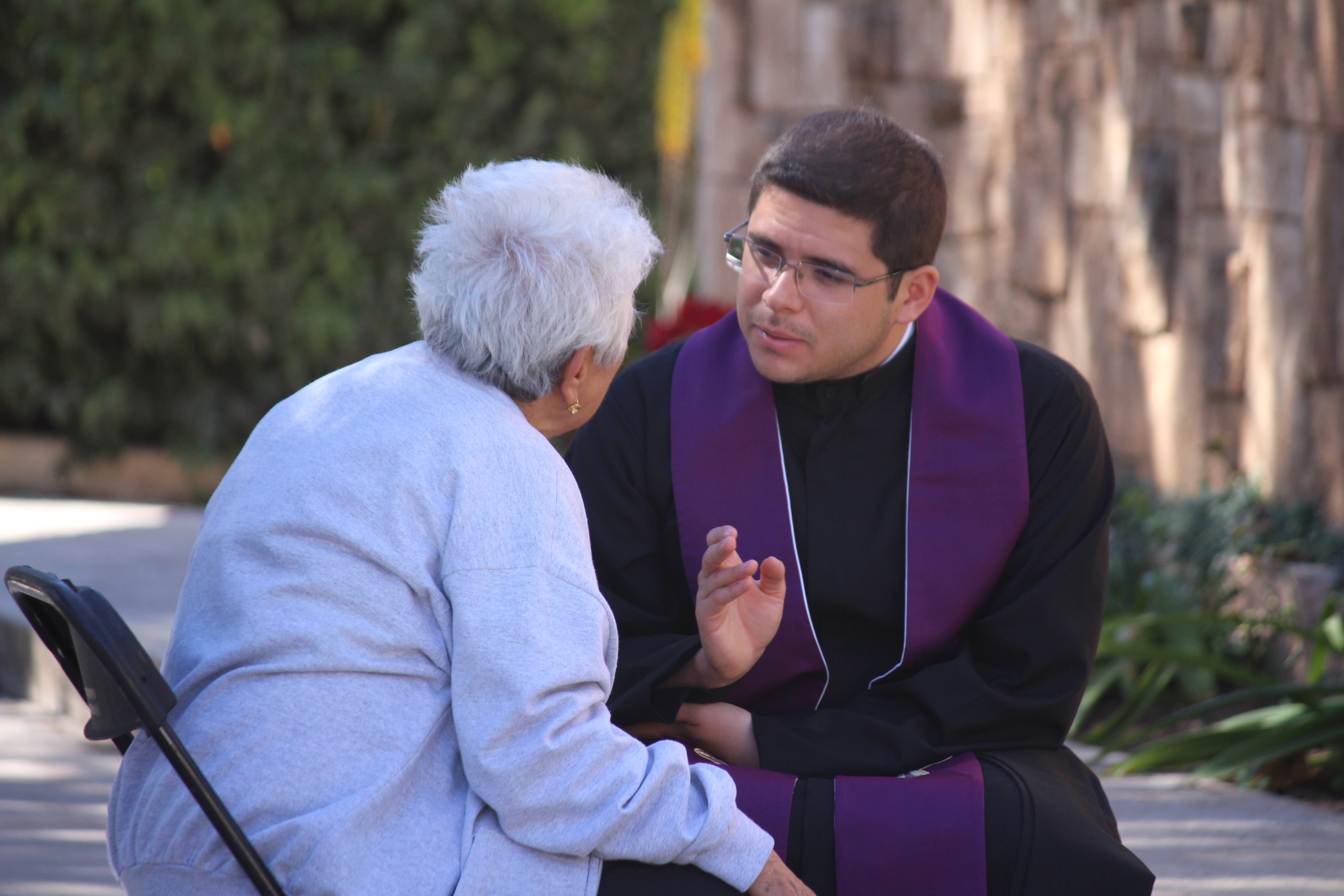
It is Saturday, Feb. 17, the fourth day of Lent. We are already one-tenth of the way through the Lenten journey. Let’s face it, the Catholic Church goes all in at the beginning of Lent, putting us through a bit of a penitential wringer. In just the first three days, we have already had to fast once and abstain from meat twice.
But as I look back at that sentence I just wrote, is it really that bad? Fasting for one day? No meat on two different days? Is that so hard to do? And if so, why? What gets in the way of our doing what is right, and what is prescribed for our spiritual benefit?
I think the answer is clear: We do. We get in the way. We don’t like pain, conflict, trauma, discipline, change. We get set in our ways, settling for what feels good, or at least what we find tolerable. “I like a good burger.” “I need three good meals a day.” “I’m not that bad a person.”
One other problem we seem to have: Just like the Pharisees in today’s Gospel from Luke, we can be excellent judges of others’ character, but we can be greatly lacking in judgment of our own. Too often, everyone else seems to be the tax collector and the sinner. Or, we fall back on “well, everyone is a sinner,” as if that’s just the way it will always be.
Jesus reminds the Pharisees, and us, “I have not come to call the righteous to repentance, but sinners.” So if we’re all sinners, Jesus came to call us. That is comforting indeed. But that’s not the end of it. Matthew gives us the famous quote, “Many are called, but few are chosen.” Jesus has called us to repentance. Now it’s up to us to respond. Do we decide we’re “not that bad” and go on with our lives? Or do we recognize what we truly are, and what our Lord truly offers us, and respond with true repentance?
It is true, we are sinners. We have failed and we will fail. But Jesus reminds us that we can be so much more than what we are. We can be God’s beloved children, but it’s up to us to respond accordingly when we fail, by repenting, praying more deeply, trying harder — not following our ways or seeking our own interests, as Isaiah puts it — relying on God to show us the way. By prayer, fasting, abstinence and almsgiving, we open up more of ourselves for God to enter in.
The goal of Lent is that by Easter, we become far better than we were when we started on Ash Wednesday. Saints throughout the ages have shown us it can be done. And since our true life’s goal is to become saints ourselves, let us do as they have done, repenting and asking God, “Teach me your ways, O Lord.” He will do so. We then need to follow those ways and walk in His truth.
Es sábado, 17 de febrero, cuarto día de Cuaresma. Ya hemos recorrido una décima parte del camino cuaresmal. Seamos realistas, la Iglesia Católica hace todo lo posible al comienzo de la Cuaresma, lo que nos hace sudar la gota gorda en cuanto a la penitencia. Tan sólo en los primeros tres días ya hemos tenido que ayunar una vez y abstenernos de comer carne dos veces.
Pero al releer la frase que acabo de escribir, ¿realmente es tan malo ayunar por un día y no comer carne en dos días diferentes? ¿Es tan difícil de hacer? Y si es así, ¿por qué? ¿Qué se interpone en nuestro camino para hacer lo correcto y lo qué está prescrito para nuestro beneficio espiritual?
Creo que la respuesta es clara: Nosotros mismos. Nos interponemos en el camino. No nos gusta el dolor, el conflicto, el trauma, la disciplina, el cambio. Nos fijamos en nuestros caminos, conformándonos con lo que nos hace sentir bien, o al menos con lo que nos parece tolerable. “Me gusta una buena hamburguesa.” “Necesito tres buenas comidas al día”. “No soy una persona tan mala”.
Parece que también tenemos otro problema: al igual que los fariseos en el Evangelio de Lucas de hoy, podemos ser excelentes jueces del carácter de los demás, pero podemos tener grandes deficiencias en juzgar a nosotros mismos. Con demasiada frecuencia, todos los demás parecen ser recaudadores de impuestos y pecadores. O recurrimos a “bueno, todo el mundo es pecador”, como si así fuera siempre.
Jesús les recuerda a los fariseos y a nosotros: “No he venido a llamar a justos, sino a los pecadores, para que se conviertan”. Entonces, si todos somos pecadores, Jesús vino a llamarnos. Eso es verdaderamente reconfortante pero ese no es el fin de todo. Mateo nos da el famoso dicho: “Muchos son los llamados, pero pocos los escogidos”. Jesús nos ha llamado al arrepentimiento. Ahora nos toca a nosotros responder. ¿Decidimos que “no somos tan malos” y seguimos con nuestras vidas? ¿O reconocemos lo que realmente somos y lo que nuestro Señor realmente nos ofrece y respondemos con verdadero arrepentimiento?
Es verdad, somos pecadores. Hemos fracasado y fracasaremos. Pero Jesús nos recuerda que podemos ser mucho más de lo que somos. Podemos ser hijos amados de Dios, pero depende de nosotros responder en consecuencia cuando fallamos, arrepintiéndonos, orando más profundamente, esforzándonos más, no siguiendo nuestros caminos ni buscando nuestros propios intereses, como dice Isaías, confiando en Dios para que nos muestre el camino. Mediante la oración, el ayuno, la abstinencia y la limosna, abrimos más de nosotros mismos para que Dios entre en nosotros.
El objetivo de la Cuaresma es que para la Pascua seamos mucho mejores que cuando empezamos el Miércoles de Ceniza. Los santos a lo largo de los tiempos nos han demostrado que sí se puede. Y dado que el verdadero objetivo de nuestra vida es llegar a ser santos, hagamos lo que ellos han hecho, arrepintiéndonos y pidiéndole a Dios: “Enséñame tus caminos, oh Señor”, y lo hará. Y luego hay que seguir esos caminos y caminar en Su verdad.
 Mike Karpus is a regular guy. He grew up in Michigan’s Upper Peninsula, graduated from Michigan State University and works as an editor. He is married to a Catholic school principal, raised two daughters who became Catholic school teachers at points in their careers, and now relishes his two grandchildren, including the older one who is fascinated with learning about his faith. He also has served on a Catholic school board, a pastoral council and a parish stewardship committee. He currently is a lector at Mass, a Knight of Columbus, Adult Faith Formation Committee member and a board member of the local Habitat for Humanity organization. But mostly he’s a regular guy.
Feature Image Credit: Alberto Skw, cathopic.com/photo/9799-reconciliacion
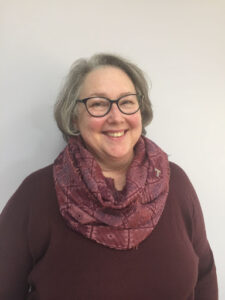
 Heather Orlowski and her husband are busy parents of two little girls (ages 2 and 4). The Catholic Church holds a special place in her heart and in her entire life. She attended Catholic schools from Kindergarten through college. She graduated from Aquinas College with a degree in Elementary/Special Education. Catholic Education is very important to her and she now teaches 1st and 2nd grades at St. Therese Catholic School. In her free time, she loves creating memories with her family and watching her little girls play soccer.
 Kathryn Mulderink, MA, is married to Robert, Station Manager for Holy Family Radio. Together they have seven children (including Father Rob), and seven grandchildren. She is President of the local community of Secular Discalced Carmelites and has published five books and many articles. Over the last 30 years, she has worked as a teacher, headmistress, catechist, Pastoral Associate, and DRE, and as a writer and voice talent for Catholic Radio. Currently, she serves the Church by writing and speaking, and by collaborating with various parishes and to lead others to encounter Christ and engage their faith. Her website is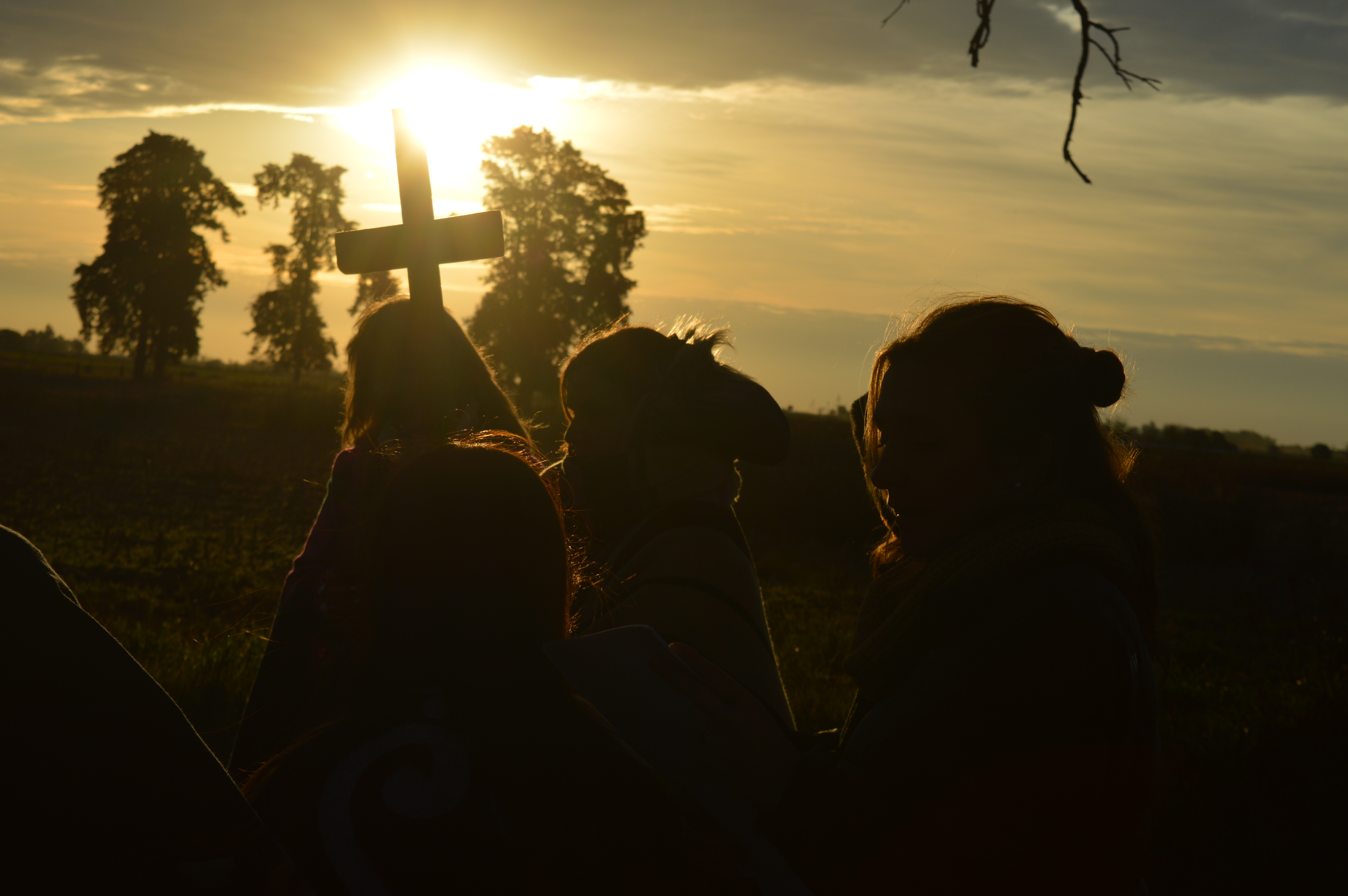
 David Dashiell is a freelance author and editor in Nashville, Tennessee. He has a master’s degree in theology from Franciscan University, and is the editor of the anthology
 Kate Taliaferro is an Air Force wife and mother. She is blessed to be able to homeschool, bake bread and fold endless piles of laundry. When not planning a school day, writing a blog post or cooking pasta, Kate can be found curled up with a book or working with some kind of fiber craft. Kate blogs at



 Allison Gingras (
 Tami Urcia grew up in Western Michigan, a middle child in a large Catholic family. She spent early young adulthood as a missionary in Mexico, studying theology and philosophy, then worked and traveled extensively before finishing her Bachelor’s Degree in Western Kentucky. She loves tackling projects, finding fun ways to keep her little ones occupied, quiet conversation with the hubby and finding unique ways to love. She works full time, is a guest blogger on
 Merridith Frediani loves words and is delighted by good sentences. She also loves Lake Michigan, dahlias, the first sip of hot coffee in the morning, millennials, and playing Sheepshead with her husband and three kids. She writes for Catholic Mom, Diocesan.com, and her local Catholic Herald. Her first book Draw Close to Jesus: A Woman’s Guide to Adoration is available at Our Sunday Visitor and Amazon. You can learn more at
  1-800-994-9817