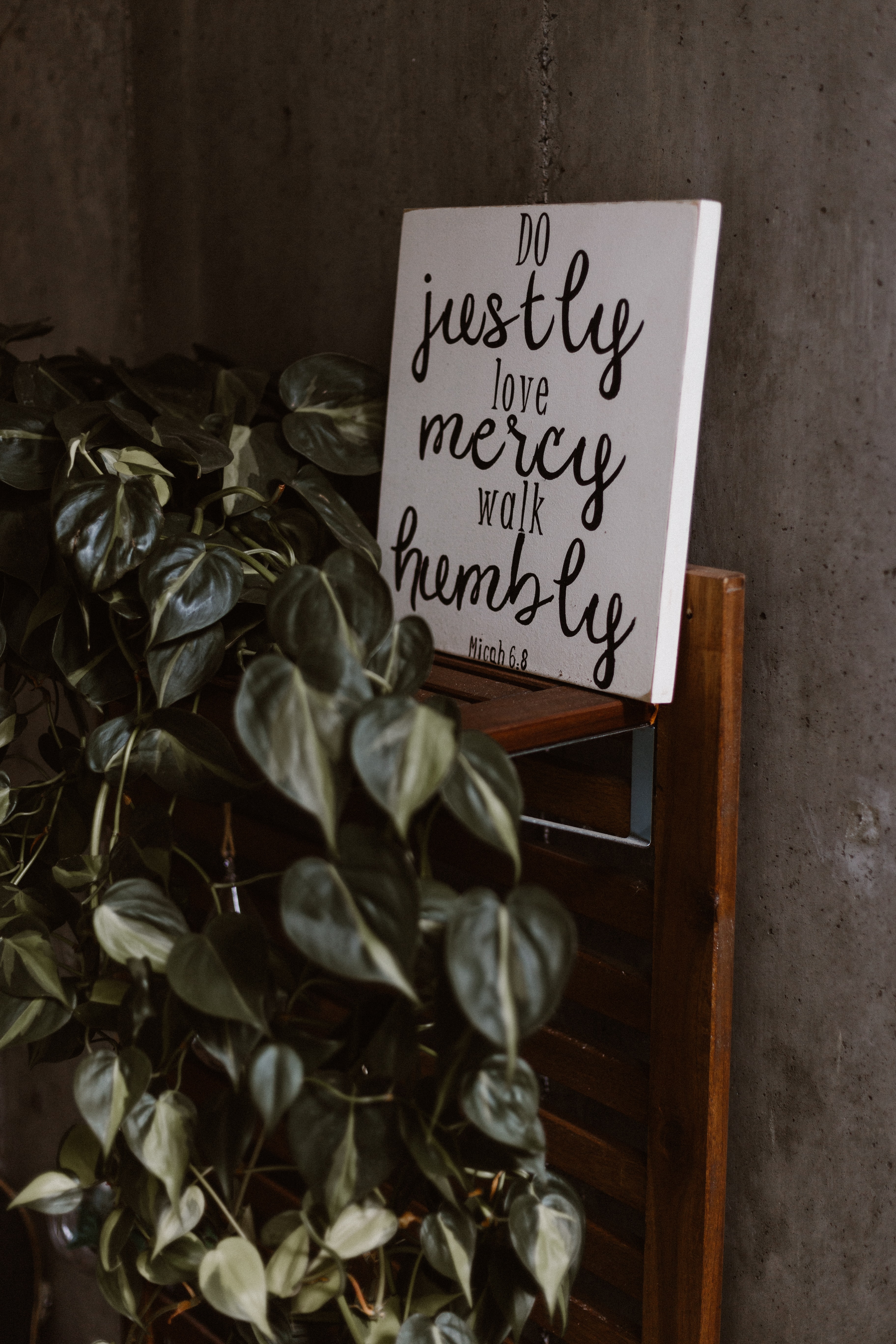
“Humble yourself the more, the greater you are, and you will find favor with God,” we hear in today’s reading from Sirach.
Jesus reiterates this in the Gospel, saying, “For every one who exalts himself will be humbled, but the one who humbles himself will be exalted.”
And St. Augustine, whose feast we celebrate today, wrote, “If you should ask me what are the ways of God, I would tell you that the first is humility, the second is humility, and the third is humility. Not that there are no other precepts to give, but if humility does not precede all that we do, our efforts are fruitless.”
That is a difficult prescription in today’s society, in which humility may be the most underappreciated, unrewarded virtue. In a world obsessed with social media, many of us judge our worth by how often our posts are liked or shared by others, hoping to go viral, obsessively checking our phones throughout the day when we think we have shared something exceptionally profound or amusing. That does not exactly predispose us toward humility!
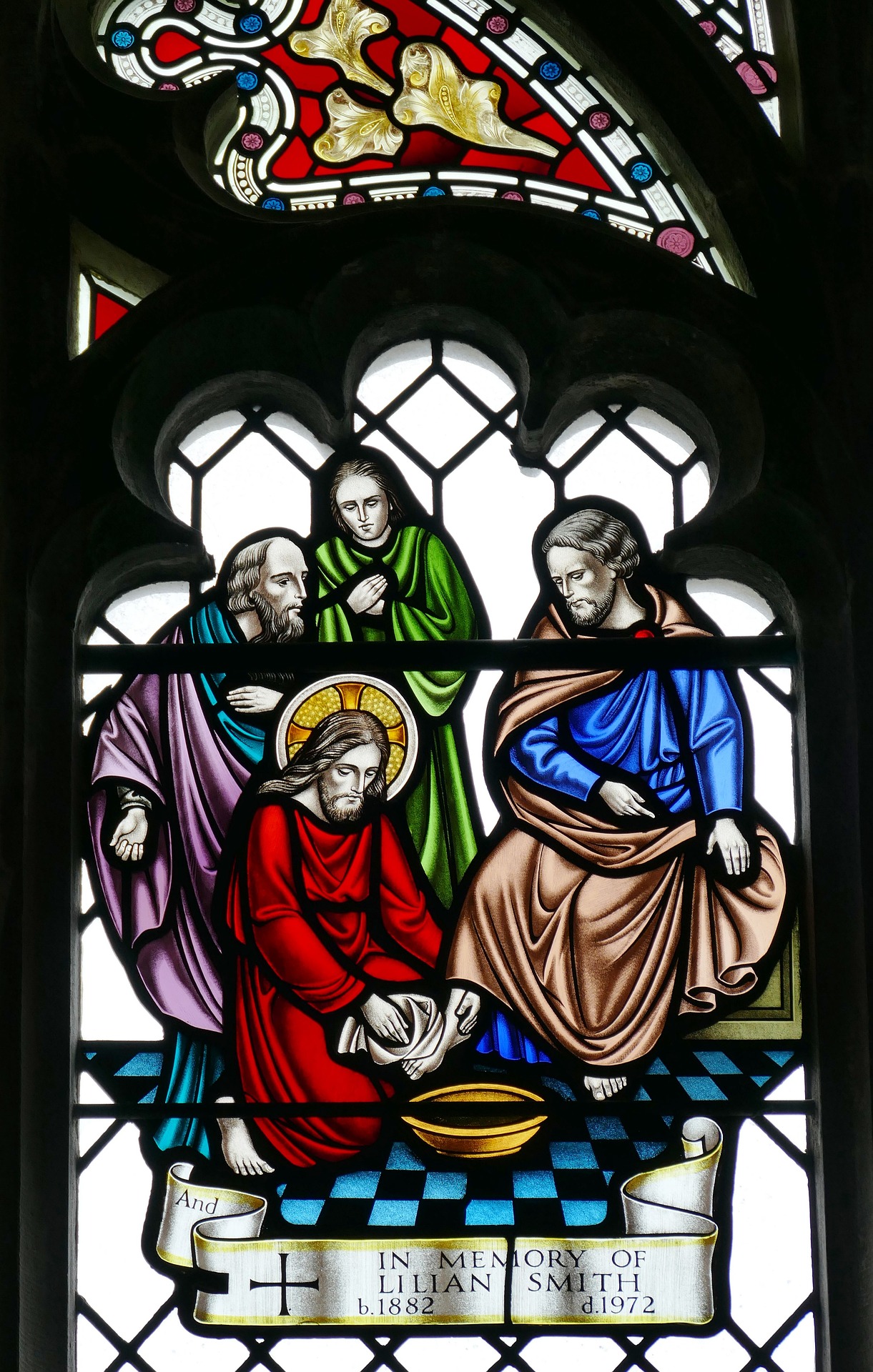
Jesus did not just talk about humility; rather, he set the example for us to follow. He began by coming among us: God taking on our flesh, our lives, our physical limitations. His place of birth, his social status, the way he lived, and his manner of death were all humble in nature. One of his last acts was to wash the feet of his friends. If we want to call ourselves Christ followers, clearly humility should be central.
Pride is the vice in direct opposition to humility. The fact that it is the sin that made the angels fall should alert us to its seriousness. It is a stumbling block for me, so much so that when I first encountered the Litany of Humility (excerpted below), I did not want to say it! I remember thinking, “I don’t want to pray for those things!”
O Jesus, meek and humble of heart, Hear me.
From the desire of being loved, Deliver me, Jesus.
From the desire of being honored, Deliver me, Jesus.
From the fear of being humiliated, Deliver me, Jesus.
From the fear of being ridiculed, Deliver me, Jesus.
That others may be loved more than I, Jesus, grant me the grace to desire it.
That others may become holier than I, provided that I become as holy as I should, Jesus, grant me the grace to desire it.
But eventually I realized that the Litany does not require that we renounce being loved or honored and seek out ridicule and humiliation, but rather that we shift our focus away from actively being motivated by a desire for these things. This prayer promotes a change in perspective that can help us “follow the ways of God,” as Saint Augustine wrote. So I began to pray it daily. Will you join me?
“Hazte tanto más pequeño cuanto más grande seas y hallarás gracia ante el Señor”, escuchamos en la lectura de hoy del Eclesiástico.
Jesús reitera esto en el Evangelio, diciendo: “Porque el que se engrandece a sí mismo, será humillado; y el que se humilla, será engrandecido”.
Y San Agustín, cuya fiesta celebramos hoy, escribió: “Si me preguntaras cuáles son los caminos de Dios, te diría que el primero es la humildad, el segundo es la humildad y el tercero es la humildad. No es que no haya otros preceptos que dar, pero si la humildad no precede a todo lo que hacemos, nuestros esfuerzos son en vano”.
Esa es una receta difícil en la sociedad actual, en la que la humildad puede ser la virtud menos apreciada y sin recompensa. En un mundo obsesionado con las redes sociales, muchos de nosotros juzgamos nuestro valor por la frecuencia con la que otras personas les gustan o comparten nuestras publicaciones, con la esperanza de volverse virales, revisando obsesivamente nuestros teléfonos durante todo el día cuando creemos que hemos compartido algo excepcionalmente profundo o divertido. ¡Eso no nos predispone precisamente a la humildad!
Jesús no solo habló de humildad; más bien, nos dio el ejemplo a seguir. Comenzó por venir entre nosotros: Dios tomando nuestra carne, nuestras vidas, nuestras limitaciones físicas. Su lugar de nacimiento, su estatus social, la forma en que vivió y su forma de muerte fueron todos de naturaleza humilde. Uno de sus últimos actos fue lavar los pies de sus amigos. Si queremos llamarnos seguidores de Cristo, claramente la humildad debe ser central.
El orgullo es el vicio en oposición directa a la humildad. El hecho de que sea el pecado el que hizo caer a los ángeles debe alertarnos de su gravedad. Es una piedra de tropiezo para mí, tanto que cuando me encontré por primera vez con la Letanía de la humildad (extraído a continuación), ¡no quería rezarla! Recuerdo haber pensado: “¡No quiero orar por esas cosas!”.
Oh Jesús, manso y humilde de corazón, escúchame
Del deseo de ser amado, líbrame, Jesús
Del deseo de ser honrado, líbrame, Jesús
Del miedo de ser humillado, líbrame, Jesús
Del miedo de ser ridiculizado, líbrame, Jesús
Para que otros sean amados más que yo, Jesús, concédeme la gracia de desearlo
Para que otros sean más santos que yo, con tal de que yo sea tan santo como debo, Jesús, concédeme la gracia de desearlo.
Pero al final me di cuenta de que la Letanía no requiere que renunciemos ser amados u honrados y busquemos el ridículo y la humillación, sino que desviemos nuestro enfoque de estar activamente motivados por el deseo de estas cosas. Esta oración promueve un cambio de perspectiva que puede ayudarnos a “seguir los caminos de Dios”, como escribió san Agustín. Entonces comencé a rezarlo diariamente. ¿Me acompañaras?
 Leslie Sholly is a Catholic, Southern wife and mother of five, living in her hometown, Knoxville, Tennessee. She graduated from Georgetown University with an English major and Theology minor. She blogs at Life in Every Limb, where for 11 years she has covered all kinds of topics, more recently focusing on the intersection of faith, politics, and social justice.
Feature Image Credit: falco, pixabay.com/photos/church-window-church-window-1881232/
 Deacon Dan Schneider is a retired general manager of industrial distributors. He and his wife Vicki have been married for over 50 years. They are the parents of eight children and thirty grandchildren. He has a degree in Family Life Education from Spring Arbor University. He was ordained a Permanent Deacon in 2002. He has a passion for working with engaged and married couples and his main ministry has been preparing couples for marriage.
 Mike Karpus is a regular guy. He grew up in Michigan’s Upper Peninsula, graduated from Michigan State University and works as an editor. He is married to a Catholic school principal, raised two daughters who became Catholic school teachers at points in their careers, and now relishes his two grandchildren, including the 3-year-old who teaches him what the colors of Father’s chasubles mean. He has served on a Catholic School board, a pastoral council and a parish stewardship committee. He currently is a lector at Mass, a Knight of Columbus, Adult Faith Formation Committee member and a board member of the local Habitat for Humanity organization. But mostly he’s a regular guy.






 Sheryl is happy to be the number 1 cheerleader and supporter for her husband, Tom who is a candidate for the Permanent Diaconate in the Diocese of Kalamazoo. They are so grateful for the opportunity to grow together in this process. Sheryl’s day job is serving her community as the principal for St. Therese Catholic School in Wayland, Michigan. Since every time she thinks she gets life all figured out, she realizes just how far she has to go, St. Rita of Cascia is her go-to Saint for intercession and help. Home includes Carlyn, a very, very goofy Golden Retriever and Lucy, our not-so-little rescue puppy.
 Kathryn Mulderink, MA, is married to Robert, Station Manager for Holy Family Radio. Together they have seven children (including Father Rob), and four grandchildren. She is President of the local community of Secular Discalced Carmelites and has published five books and many articles. Over the last 30 years, she has worked as a teacher, headmistress, catechist, Pastoral Associate, and DRE, and as a writer and voice talent for Catholic Radio. Currently, she serves the Church by writing and speaking, and by collaborating with various parishes and to lead others to encounter Christ and engage their faith. Her website is
 Dakota lives in Denver, CO with her husband, Ralph, and their two sons, Alfie & Theophilus. She is the Dean of Enrollment Management for Bishop Machebeuf High School where her husband also teaches. You can find Dakota at the zoo or a brewery with her family or with her nose in a book at home. For more of Dakota’s writing check out

 Tami Urcia grew up in Western Michigan, a middle child in a large Catholic family. She spent early young adulthood as a missionary in Mexico, studying theology and philosophy, then worked and traveled extensively before finishing her Bachelor’s Degree in Western Kentucky. She loves tackling projects, finding fun ways to keep her little ones occupied, quiet conversation with the hubby and finding unique ways to love. She works at for Christian Healthcare Centers, is a guest blogger on

 1-800-994-9817