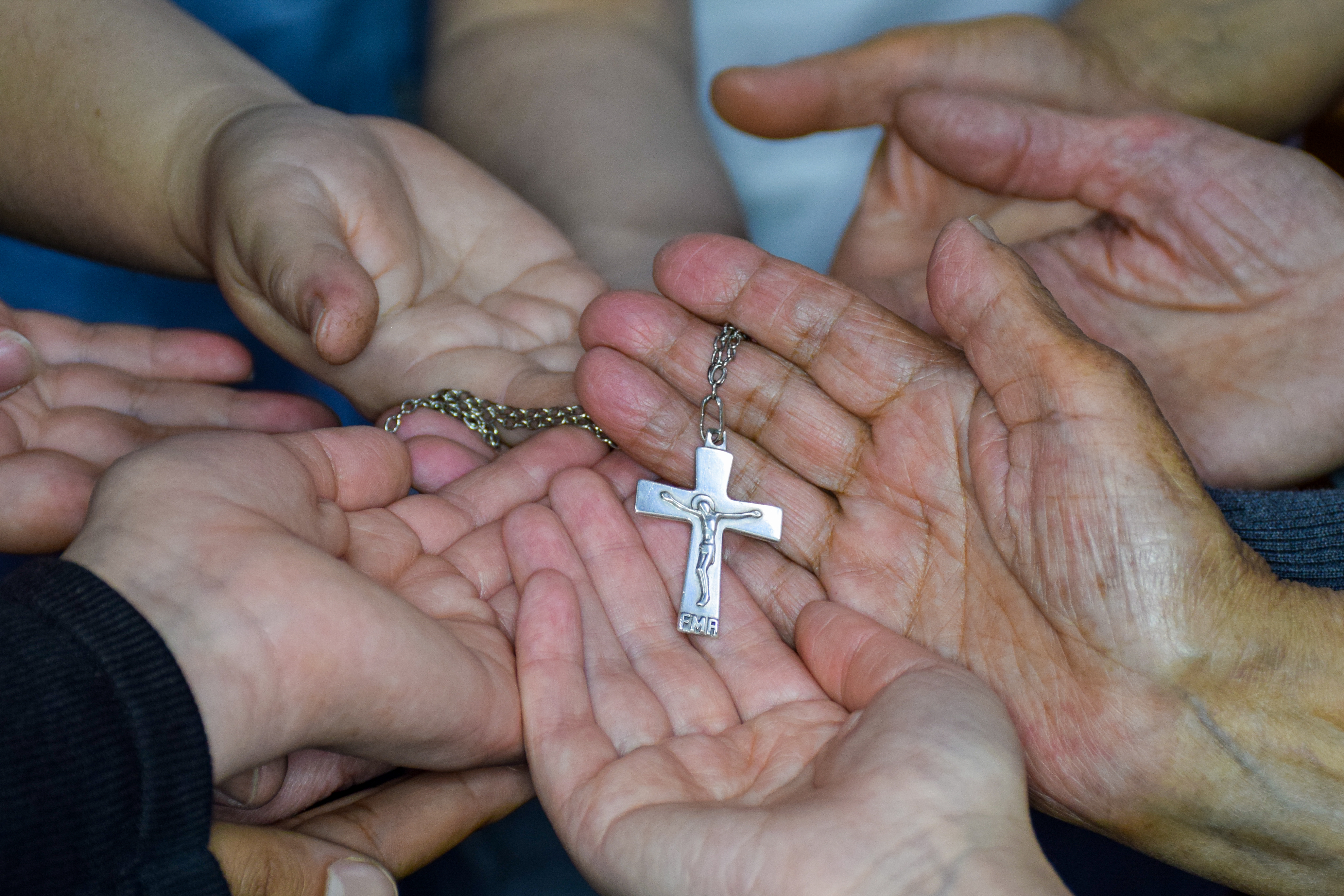
In today’s First Reading, we hear Jeremiah tell the people: “Reform your ways and your deeds; listen to the voice of the Lord your God.”
If we take time to reflect on Jeremiah’s words, we will see the importance of applying them to our lives, for we must realize that he doesn’t just mean to stop sinning. Of course, we must always strive not to sin. That’s an integral part of our faith. But living a faith-filled life is much more than that.
So often we find it easy to not break the commandments. As we prepare for confession and perform an examination of conscience, we may feel buoyed by the fact that we have not missed Mass, said God’s name in vain, hurt another person, or stolen anything. And, yes, those are vital.
But what Jeremiah meant when he said to reform our ways and deeds was to do something that will make a difference for others. We must take action and do good works. We must put others and their needs first. In short, we must learn to perform the Corporal and Spiritual Works of Mercy regularly.
What are these works of mercy? The Corporal Works of Mercy instruct us to feed the hungry, give drink to the thirsty, shelter the homeless, visit prisoners and those who are sick, bury the dead, and give alms to the poor. The Spiritual Works of Mercy teach us to pray for the living and the dead, to counsel and comfort others, to forgive, to admonish the sinner, and to teach the faith.
All of these things take time, effort, and love, and if we are to live as God commands and as Jeremiah instructed, then we must incorporate some of these into our lives.
There are countless ways to help the vulnerable and those in need. Increasing our prayer life is a good start, especially if we aren’t sure what God wants us to do. Of course, we cannot perform all of these works of mercy all the time, but we can do many of them frequently. So pray for God’s guidance. Ask Him where He wants you to start.
Maybe He wants you to donate time to your parish. Maybe He is calling you to volunteer at a pregnancy resource center. Maybe He is spurring you on to clean your closets and donate gently used items to a homeless shelter or to serve food at one. Maybe He is calling you to become a foster parent or adopt. Maybe He sends you to the grocery store at the exact time a needy person has found he doesn’t have enough money for groceries. Or maybe He wants you to visit the forgotten elderly in a nursing home.
All of these are tangible ways to help others and to follow the words of Jeremiah. Yes, we must reform our deeds if we want to spend eternity with God. What will you do?
En la Primera Lectura de hoy, escuchamos a Jeremías decir al pueblo: “Corrijan su conducta y sus obras; escucha la voz del Señor tu Dios”.
Si nos tomamos un tiempo para reflexionar sobre las palabras de Jeremías, veremos la importancia de aplicarlas a nuestra vida, pues debemos darnos cuenta de que él no solo quiere decir dejar de pecar. Por supuesto, siempre debemos esforzarnos por no pecar. Esa es una parte integral de nuestra fe. Pero vivir una vida llena de fe es mucho más que eso.
Muy a menudo nos resulta fácil no romper los mandamientos. Mientras nos preparamos para la confesión y realizamos un examen de conciencia, podemos sentirnos animados por el hecho de que no hemos faltado a Misa, dicho el nombre de Dios en vano, herido a otra persona o robado algo. Y, sí, esos son esenciales.
Pero lo que Jeremías quiso decir cuando dijo que corrijiéramos nuestra conducta y obras era hacer algo que hace una diferencia para los demás. Debemos actuar y hacer buenas obras. Debemos poner a los demás y sus necesidades primero. En definitiva, debemos aprender a realizar las Obras de Misericordia Corporales y Espirituales con regularidad.
¿Cuáles son estas obras de misericordia? Las Obras de Misericordia Corporales nos instruyen a dar de comer al hambriento, dar de beber al sediento, acobijar a los desamparados, visitar a los presos y enfermos, enterrar a los muertos y dar limosna a los pobres. Las Obras de Misericordia Espirituales nos enseñan a orar por los vivos y los muertos, a aconsejar y consolar a otros, a perdonar, a amonestar al pecador y a enseñar la fe.
Todas estas cosas toman tiempo, esfuerzo y amor, y si vamos a vivir como Dios manda y como Jeremías instruyó, entonces debemos incorporar algunas de estas cosas en nuestras vidas.
Hay innumerables maneras de ayudar a los vulnerables y los necesitados. Aumentar nuestra vida de oración es un buen comienzo, especialmente si no estamos seguros de lo que Dios quiere que hagamos. Por supuesto, no podemos realizar todas estas obras de misericordia todo el tiempo, pero podemos hacer muchas de ellas con frecuencia. Así que pide a Dios que te guíe. Pregúntale por dónde quiere que empieces.
Tal vez Él quiera que dones tiempo a tu parroquia. Tal vez te está llamando para ser voluntaria en un centro de recursos para el embarazo. Tal vez te esté animando a limpiar sus armarios y donar artículos usados en buen estado a un refugio para personas sin hogar o para servir comida. Tal vez te está llamando a convertirte en padre de crianza o adoptar. Tal vez te envía a la tienda a comprar justo en el momento que una persona necesitada descubrió que no tiene suficiente dinero para comprar alimentos. O tal vez quiere que visites a los ancianos olvidados en un asilo de ancianos.
Todas estas son formas tangibles de ayudar a los demás y de seguir las palabras de Jeremías. Sí, debemos reformar nuestras obras si queremos pasar la eternidad con Dios. ¿Qué vas a hacer?
 Susan Ciancio has a BA in psychology and a BA in sociology from the University of Notre Dame, with an MA in liberal studies from Indiana University. For the past 19 years, she has worked as a professional editor and writer, editing both fiction and nonfiction books, magazine articles, blogs, educational lessons, professional materials and website content. Thirteen of those years have been in the pro-life sector. Currently Susan freelances and writes weekly for HLI, edits for American Life League, and is the executive editor of Celebrate Life Magazine. She also serves as executive editor for the Culture of Life Studies Program—an educational nonprofit program for K-12 students. You can reach her at slochner0.wixsite.com/website.
Feature Image Credit: Sor Cata, FMA, www.cathopic.com/photo/25701-hermanas

 Tami Urcia grew up in Western Michigan, a middle child in a large Catholic family. She spent early young adulthood as a missionary in Mexico, studying theology and philosophy, then worked and traveled extensively before finishing her Bachelor’s Degree in Western Kentucky. She loves tackling projects, finding fun ways to keep her little ones occupied, quiet conversation with the hubby and finding unique ways to love. She works at for Christian Healthcare Centers, is a guest blogger on
 Leslie Sholly is a Catholic, Southern wife and mother of five, living in her hometown, Knoxville, Tennessee. She graduated from Georgetown University with an English major and Theology minor. She blogs at
 Deacon Dan Schneider is a retired general manager of industrial distributors. He and his wife Vicki have been married for over 50 years. They are the parents of eight children and thirty grandchildren. He has a degree in Family Life Education from Spring Arbor University. He was ordained a Permanent Deacon in 2002. He has a passion for working with engaged and married couples and his main ministry has been preparing couples for marriage.
 Emily Jaminet is a Catholic author, speaker, radio personality, wife, and mother of seven children. She earned a bachelor’s degree in mental health and human services from the Franciscan University of Steubenville. She is the co-founder of
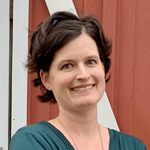 Kate Taliaferro is an Air Force wife and mother. She is blessed to be able to homeschool, bake bread and fold endless piles of laundry. When not planning a school day, writing a blog post or cooking pasta, Kate can be found curled up with a book or working with some kind of fiber craft. Kate blogs at
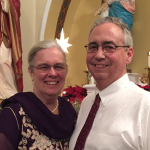 Sheryl is happy to be the number 1 cheerleader and supporter for her husband, Tom who is a candidate for the Permanent Diaconate in the Diocese of Kalamazoo. They are so grateful for the opportunity to grow together in this process. Sheryl’s day job is serving her community as the principal for St. Therese Catholic School in Wayland, Michigan. Since every time she thinks she gets life all figured out, she realizes just how far she has to go, St. Rita of Cascia is her go-to Saint for intercession and help. Home includes Carlyn, a very, very goofy Golden Retriever and Lucy, our not-so-little rescue puppy.
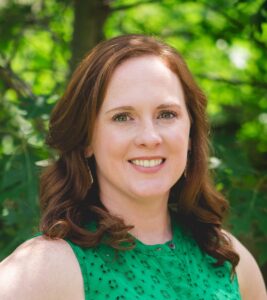 Elizabeth Tomlin is the author of Joyful Momentum: Building and Sustaining Vibrant Women’s Groups and contributing author to the Ave Prayer Book for Catholic Mothers. She is General Counsel for the Archdiocese for the Military Services, USA. Elizabeth is an Army wife and mother of three and currently lives in the DC area. She blogs at
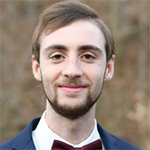 David Dashiell is a freelance author and editor in Nashville, Tennessee. He has a master’s degree in theology from Franciscan University, and is the editor of the anthology
 Kathryn Mulderink, MA, is married to Robert, Station Manager for Holy Family Radio. Together they have seven children (including Father Rob), and four grandchildren. She is President of the local community of Secular Discalced Carmelites and has published five books and many articles. Over the last 30 years, she has worked as a teacher, headmistress, catechist, Pastoral Associate, and DRE, and as a writer and voice talent for Catholic Radio. Currently, she serves the Church by writing and speaking, and by collaborating with various parishes and to lead others to encounter Christ and engage their faith. Her website is
 Dakota lives in Denver, CO with her husband, Ralph, and their two sons, Alfie & Theophilus. She is the Dean of Enrollment Management for Bishop Machebeuf High School where her husband also teaches. You can find Dakota at the zoo or a brewery with her family or with her nose in a book at home. For more of Dakota’s writing check out
  1-800-994-9817