
There are multiple Gospel options for today. The first is that of John the Baptist proclaiming the coming of Jesus, of someone “mightier than I.” The second is the lineage of Jesus, which is one that I personally love. Well, now I love it.
As a child, sitting in Mass, I definitely didn’t want a list of names read in a droning voice because as a child, I didn’t get it. I wasn’t yet old enough to understand the amazing gravity of what was being read to me. I was hearing a list of just how human Jesus was. Yes, He is divine in a way that we, as humans, can’t even comprehend, but He is also 100% human. He was born from a woman, into a family, and grew up as a human, among humans. He was the son of a carpenter and lived as a common man. All so we could be saved.
My friend recently reframed it in a totally new light. Imagine having a child that you are so close with and love so much. Now imagine telling them, “Alright, my darling, I’m going to turn you into an ant. So you’ll be birthed… as an ant. To an ant. In an ant colony. Also, you’ll be a worker ant and you’re not invincible, so just know that you, too, will die.”
Jesus had these amazing gifts of His Father, of unlimited love and strength and power, and yet he became human! He became human.
So when it says, “The son of Adam, the son of God” it reminds me that you and I truly are the children of God, just as Jesus was. Not in the exact same way, of course, but as a powerful reminder that Jesus was just as human as we are. He had strong emotions, he had high stress, he had friends and people who hated him. In his daily life, he struggled just as we do.
The difference is that in all he did, he turned to his Father. Throughout the Bible, we hear so often that when Jesus is stressed out, when he is overwhelmed by the crowds, and even when everything seems to be going great… He pulls away from people, from his friends, from the crowds… and retreats into the solitude and silence of prayer with his Father.
So, today, think of your favorite quiet place to be alone and try to find some time to do the same. Take some time to leave the busyness, the chaos, the overwhelming loudness of the world and spend time in the quiet with the Lord. Just sit with the Lord in all your humanity and rely on Him for all your needs, as human as they are.
Hay múltiples opciones del Evangelio para hoy. La primera es la de Juan Bautista anunciando la venida de Jesús, de alguien “más poderoso que yo”. El segundo es el linaje de Jesús, que a mí me encanta. Bueno, me encanta ahora.
Cuando era niña, sentada en Misa, definitivamente no quería que se leyera una lista de nombres con voz monótona porque cuando era niña, no lo entendía. Todavía no tenía la edad suficiente para comprender la asombrosa gravedad de lo que me estaban leyendo. Estaba escuchando una lista de cuán humano era Jesús. Sí, Él es divino de una manera que nosotros, como humanos, ni siquiera podemos comprender, pero también es 100% humano. Nació de una mujer, en una familia, y creció como humano, entre humanos. Era hijo de un carpintero y vivía como un hombre común. Todo para que pudiéramos ser salvos.
Mi amigo lo reformuló recientemente de una forma totalmente nueva. Imagina tener un hijo con el que eres tan cercano y amas tanto. Ahora imagina decirles: “Está bien, cariño, te voy a convertir en una hormiga. Entonces nacerás como hormiga de una hormiga, en una colonia de hormigas. Además, serás una hormiga obrera y no eres invencible, así que debes saber que tú también morirás”.
Jesús tenía estos maravillosos dones de Su Padre, de amor, fuerza y poder ilimitados, ¡y sin embargo se hizo humano! Se hizo humano.
Entonces, cuando dice: “El hijo de Adán, el hijo de Dios”, me recuerda que tú y yo verdaderamente somos hijos de Dios, tal como lo fue Jesús. No exactamente de la misma manera, por supuesto, sino como un poderoso recordatorio de que Jesús era tan humano como nosotros. Tenía emociones fuertes, tenía mucho estrés, tenía amigos y gente que lo odiaba. En su vida diaria, luchó al igual que nosotros.
La diferencia es que en todo lo que hizo, se volvió hacia su Padre. A lo largo de la Biblia, escuchamos tan a menudo que cuando Jesús está estresado, cuando está abrumado por la multitud, e incluso cuando todo parece ir bien, se aleja de la gente, de sus amigos, de la multitud y se retira a solas en silencio para orar con su Padre.
Entonces, hoy, piensa en tu lugar tranquilo favorito donde te gusta estar solo y trata de encontrar un poco de tiempo para hacer lo mismo. Tómate un tiempo para dejar el ajetreo, el caos, el ruido abrumador del mundo y pasar tiempo en silencio con el Señor. Simplemente siéntate con el Señor en toda su humanidad y confía en Él para todas tus necesidades humanas.
Image Credit: www.pexels.com/photo/bench-under-trees-269176/
 Veronica Alvarado is a born and raised Texan currently living in Pennsylvania. Since graduating from Texas A&M University, Veronica has published various Catholic articles in bulletins, newspapers, e-newsletters, and blogs. She continued sharing her faith after graduation as a web content strategist and digital project manager. Today, she continues this mission in her current role as communications director and project manager for Pentecost Today USA, a Catholic Charismatic Renewal organization in Pittsburgh.



 Elizabeth Tomlin is the author of Joyful Momentum: Building and Sustaining Vibrant Women’s Groups and contributing author to the Ave Prayer Book for Catholic Mothers. She is General Counsel for the Archdiocese for the Military Services, USA. Elizabeth is an Army wife and mother of three and currently lives in the DC area. She blogs at
 Sheryl is happy to be the number 1 cheerleader and supporter for her husband, Tom who is a candidate for the Permanent Diaconate in the Diocese of Kalamazoo. They are so grateful for the opportunity to grow together in this process. Sheryl’s day job is serving her community as the principal for St. Therese Catholic School in Wayland, Michigan. Since every time she thinks she gets life all figured out, she realizes just how far she has to go, St. Rita of Cascia is her go-to Saint for intercession and help. Home includes Carlyn, a very, very goofy Golden Retriever and Lucy, our not-so-little rescue puppy.
 David Dashiell is a freelance author and editor in Nashville, Tennessee. He has a master’s degree in theology from Franciscan University, and is the editor of the anthology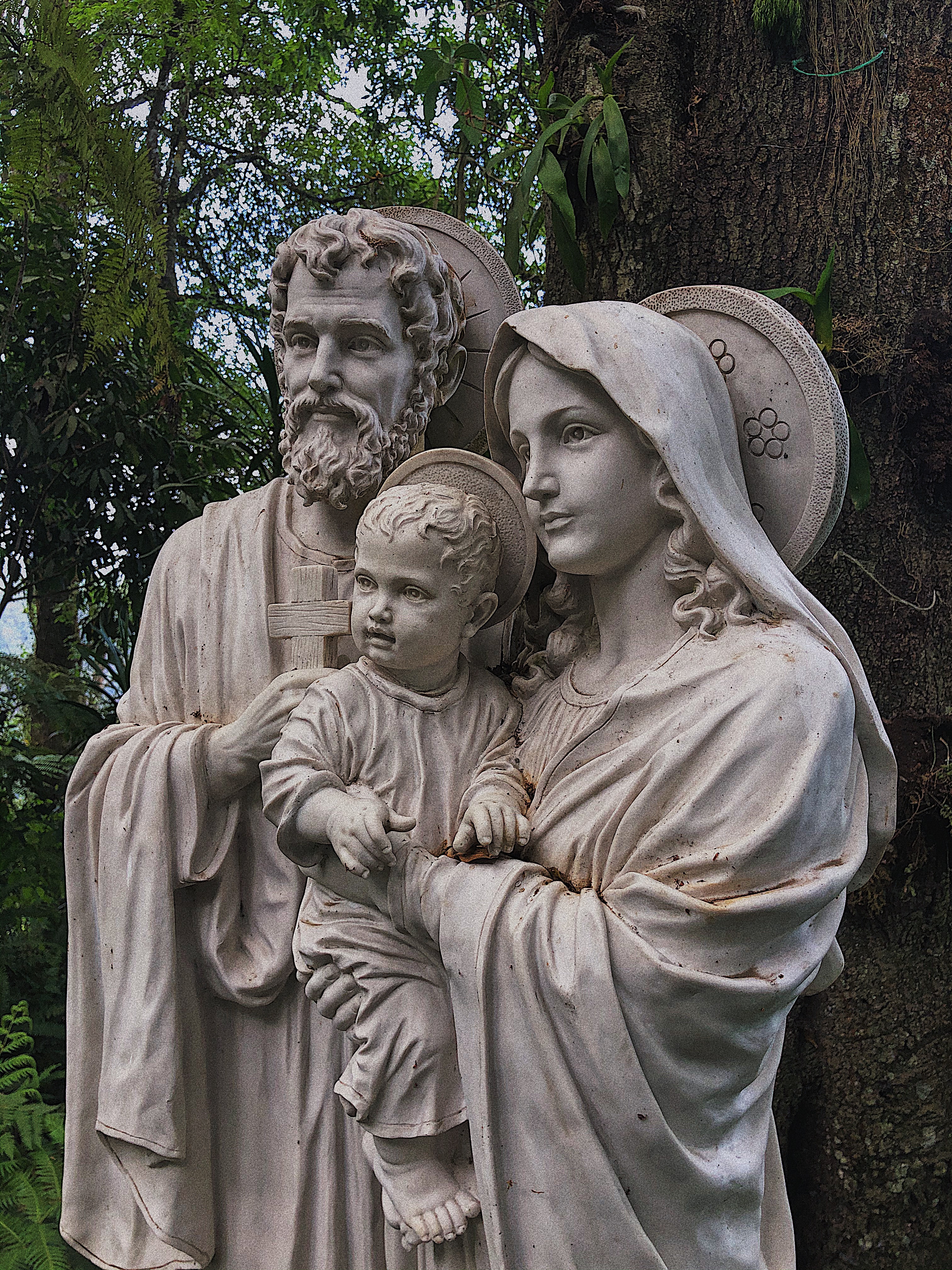
 Kathryn Mulderink, MA, is married to Robert, Station Manager for Holy Family Radio. Together they have seven children (including Father Rob), and seven grandchildren. She is President of the local community of Secular Discalced Carmelites and has published five books and many articles. Over the last 30 years, she has worked as a teacher, headmistress, catechist, Pastoral Associate, and DRE, and as a writer and voice talent for Catholic Radio. Currently, she serves the Church by writing and speaking, and by collaborating with various parishes and to lead others to encounter Christ and engage their faith. Her website is

 Dakota lives in Denver, CO with her husband, Ralph, and their two sons, Alfie & Theophilus. She is the Dean of Enrollment Management for Bishop Machebeuf High School where her husband also teaches. You can find Dakota at the zoo or a brewery with her family or with her nose in a book at home. For more of Dakota’s writing check out
 Kate Taliaferro is an Air Force wife and mother. She is blessed to be able to homeschool, bake bread and fold endless piles of laundry. When not planning a school day, writing a blog post or cooking pasta, Kate can be found curled up with a book or working with some kind of fiber craft. Kate blogs at
 Leslie Sholly is a Catholic, Southern wife and mother of five, living in her hometown, Knoxville, Tennessee. She graduated from Georgetown University with an English major and Theology minor. She blogs at
 Deacon Dan Schneider is a retired general manager of industrial distributors. He and his wife Vicki have been married for over 50 years. They are the parents of eight children and thirty grandchildren. He has a degree in Family Life Education from Spring Arbor University. He was ordained a Permanent Deacon in 2002. He has a passion for working with engaged and married couples and his main ministry has been preparing couples for marriage.
 1-800-994-9817